
Download DC Civil Rights Tour App


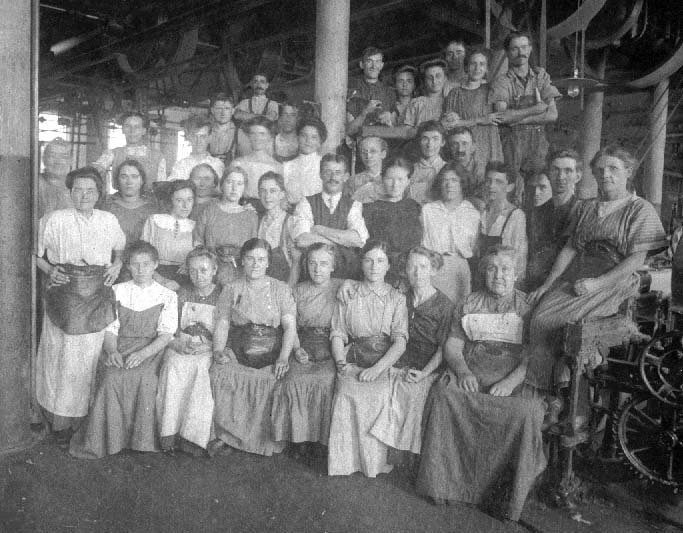
In 1828, a company called Cocheco Manufacturing ran a huge cotton mill in Dover, New Hampshire, and almost all of its 800 workers were women and girls — some as young as 12. The job was brutal. They worked from 6:30 in the morning until 6:30 at night with only one break, and the machines were so dangerous that people regularly got their fingers or arms hurt. On top of that, they only made 47 cents a day, and it wasn't even real money — it was company "scrip" that could only be spent at the company's own overpriced store. Then in 1828, the mill got new owners, and things went from bad to worse. They cut the women's wages (but not the men's), made the machines run faster, banned talking on the job, and said anyone who tried to join a union would be fired.
That was the last straw. On December 30, 1828, more than half of the 800 workers walked off the job. They marched around the mill with signs and banners, played music, and even set off some artillery to get everyone's attention. The local newspaper trashed them for it, calling the whole thing "disgusting" and saying their complaints were basically made up. Since the women didn't have savings to fall back on, most of them ended up going back to work within a few days, so in the short term, the strike didn't really change anything. But it still matters a lot, because it was the first time in U.S. history that women organized and went on strike as a group. It helped set the stage for more organizing among mill workers across New England in the years that followed.

