
Download DC Civil Rights Tour App


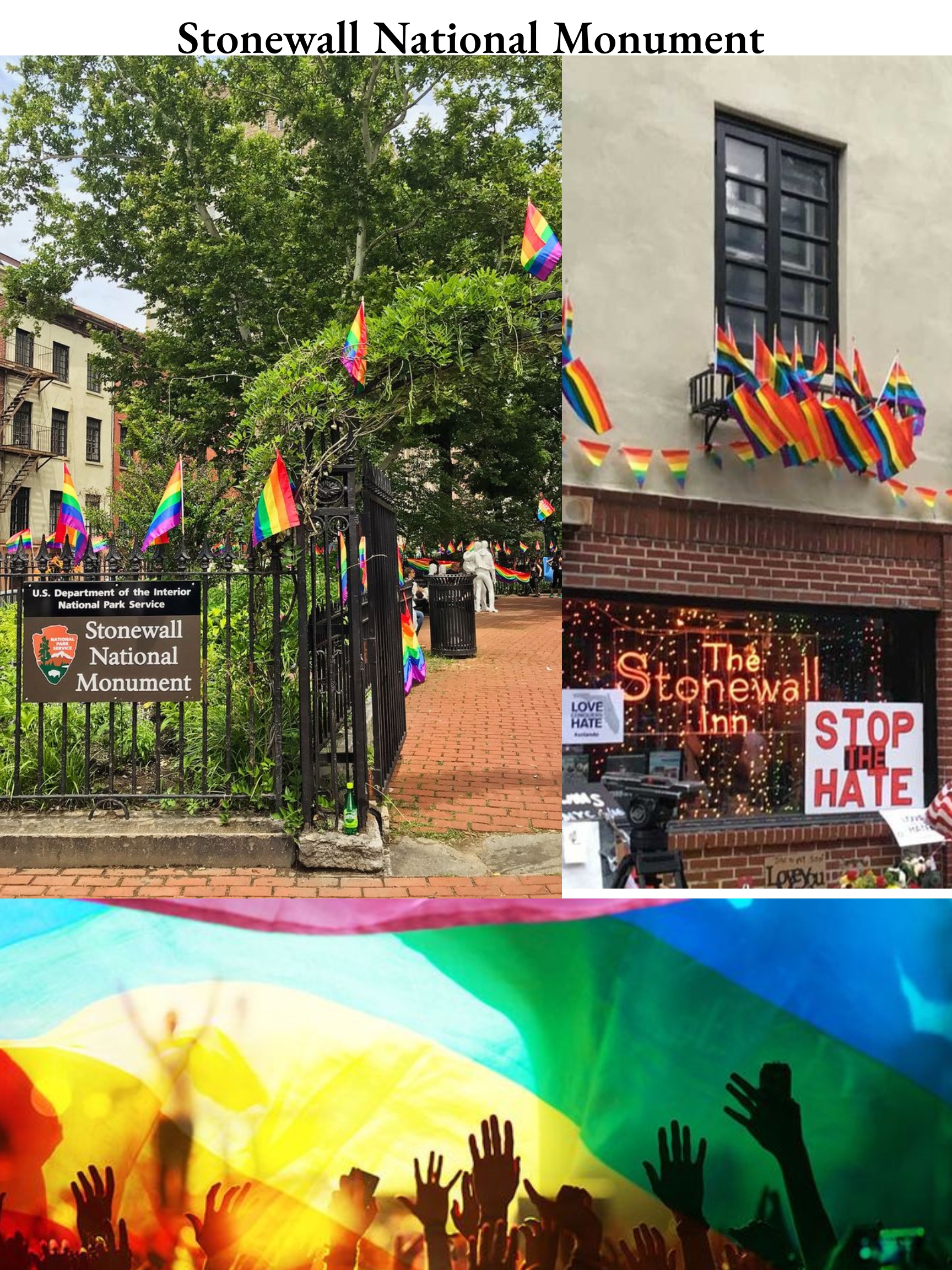
The Stonewall National Monument commemorates the uprising that began on June 28, 1969, when patrons of the Stonewall Inn resisted a police raid — a pivotal moment in the fight for LGBTQ+ civil rights. Throughout the 1960s, discriminatory laws shaped daily life for gay and lesbian people. Sodomy laws criminalized same-sex intimacy, and in New York, additional regulations prohibited establishments from serving alcohol to homosexual patrons. The Stonewall Inn, operating as a private gay bar, became a gathering place for a community that had few others.
On the night of June 28th, what began as a routine police raid turned into something historic. The crowd refused to disperse, pushing back against officers in an act of collective defiance that forced the police to retreat. What followed grew into nights of protest and rebellion.
As the NYC LGBT Historic Sites Project notes, it wasn't the first time LGBTQ people organized against oppression — but the Stonewall uprising ignited a mass movement that spread rapidly across the United States and around the world.
The rebellion directly inspired the formation of new advocacy organizations, including the Gay Liberation Front and the Human Rights Campaign. In June 1970, the Christopher Street Liberation Day Committee held the first Gay Pride March to commemorate the one-year anniversary of the uprising. Decades later, in 2016, President Obama designated the site as a national monument — the first in the United States dedicated to LGBTQ+ history.
Stonewall did not stand alone. Earlier acts of resistance, such as the 1964 Peppermint Lounge raid and other bar raids across the country, reflect the sustained courage of people who refused to accept injustice quietly. The monument stands as a reminder that the rights many take for granted today were won through struggle, sacrifice, and solidarity. It remains a symbol of pride, unity, activism, and freedom.

