
Download DC Civil Rights Tour App


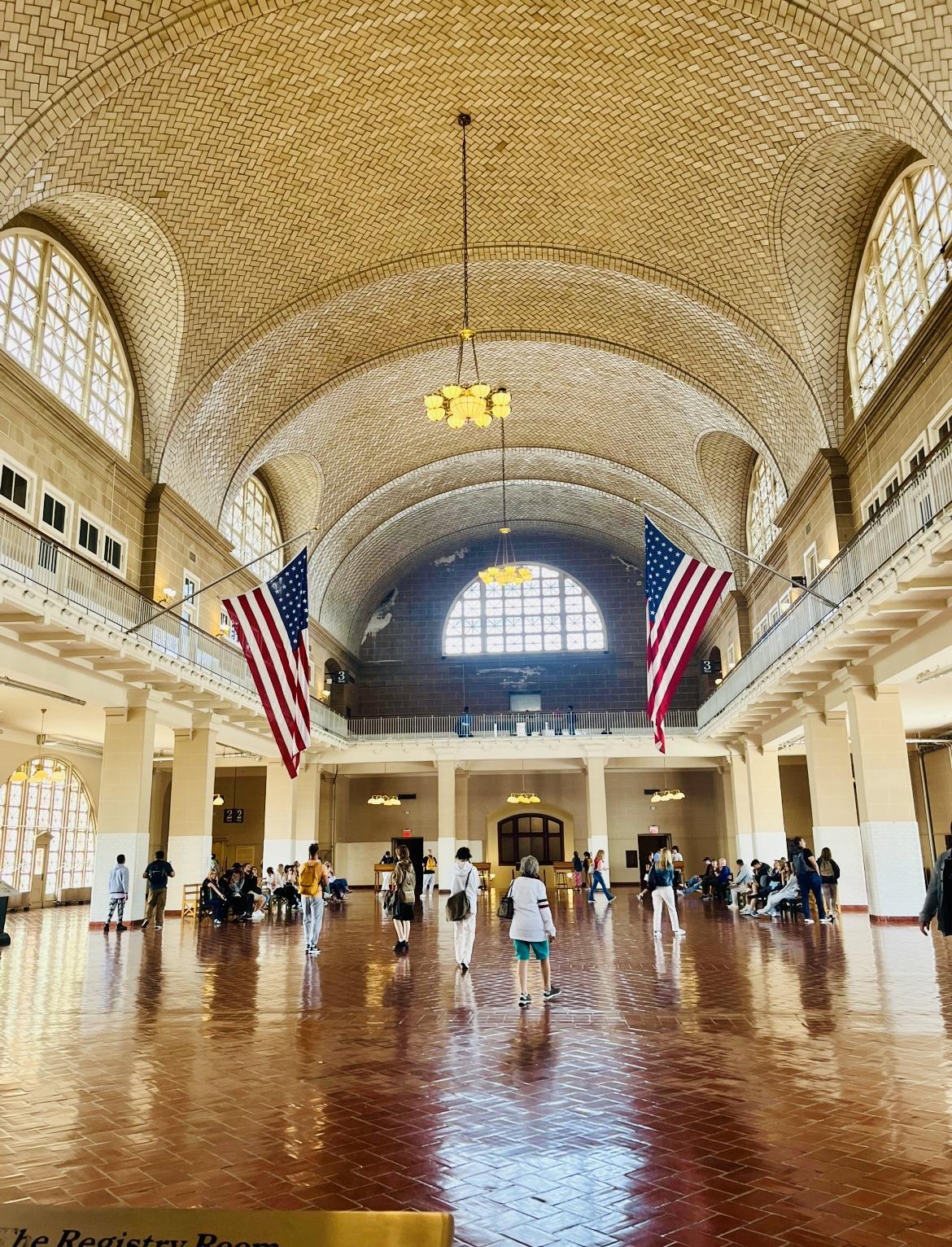
Ellis Island was the major immigration station in the United States between 1892 and 1954 during which time it processed over 12 million immigrants most of whom were escaping poverty, persecution, and lack of opportunity in their native lands. As such, it was the location where many peoples’ hopes and dreams of a better future were either realized or cut short.
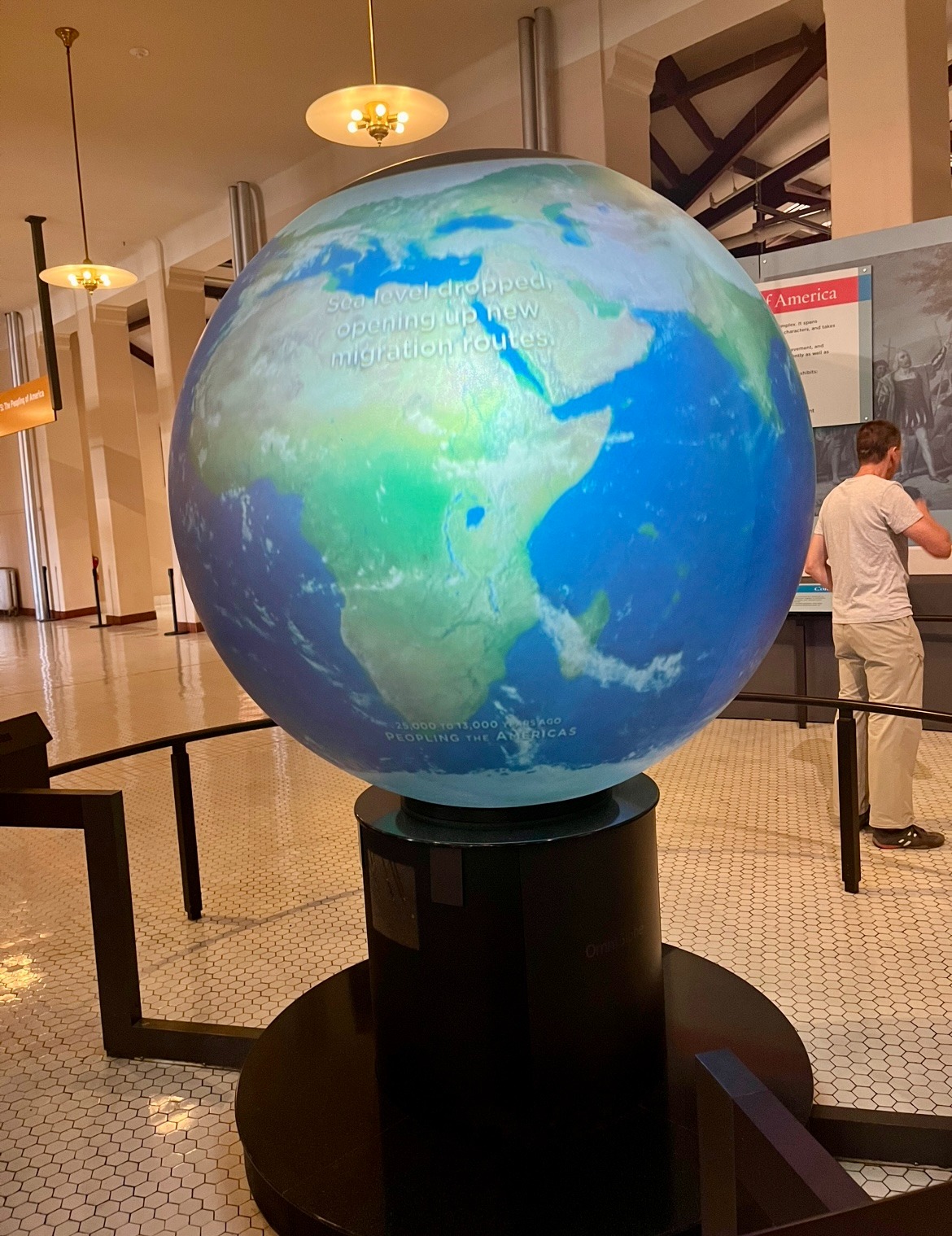
Immigrants who came in were put through medical and legal inspections. While most were allowed to enter the country, a lot of discrimination against immigrants took place based on their nationality, health, or economic status. Immigrants from Southern and Eastern Europe, in particular, were often viewed with suspicion and subjected to stricter scrutiny.
Ellis Island is both hope and hardship. Ellis Island also stands for hardship and struggle. However, it also symbolizes the barriers faced by immigrants, including exclusionary immigration policies that were passed at various points including the Chinese Immigration Exclusion Act and the number of quotas based on ethnicity.
As a civil rights landmark, Ellis Island represents the changing fight for immigrant rights and equal protection under the law. It reminds us that the idea of who is “allowed” to belong in the United States has changed over time and continues to be debated today. The site stands as a symbol of resilience and the ongoing pursuit of equality and inclusion in American society.

