
Download DC Civil Rights Tour App


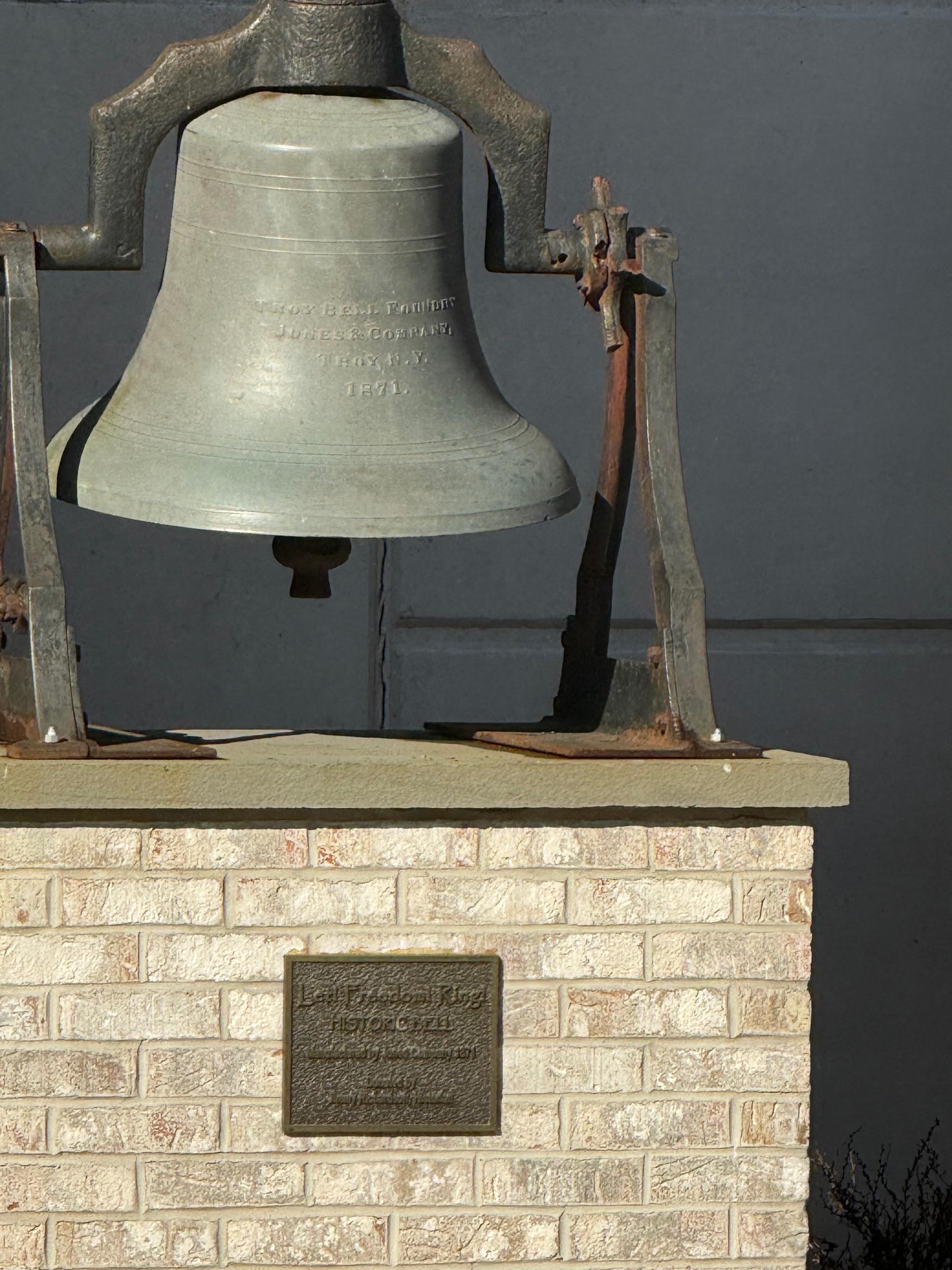
The Rensalier and Huntoon Underground Railroad Memorial honors one of the more overlooked yet important factors of the early Civil Rights Movement. Beginning in the wake of American independence from the British Empire, the Underground Railroad was one of the earliest but largest acts of resistance to slavery and civil inequality, smuggling thousands of escaped slaves from their southern states to Canada and safe northern states. In Paterson, New Jersey, two men played a vital role in the underground railroad, operating safe houses and ‘junctions’ in the town that housed hundreds of escaped slaves:
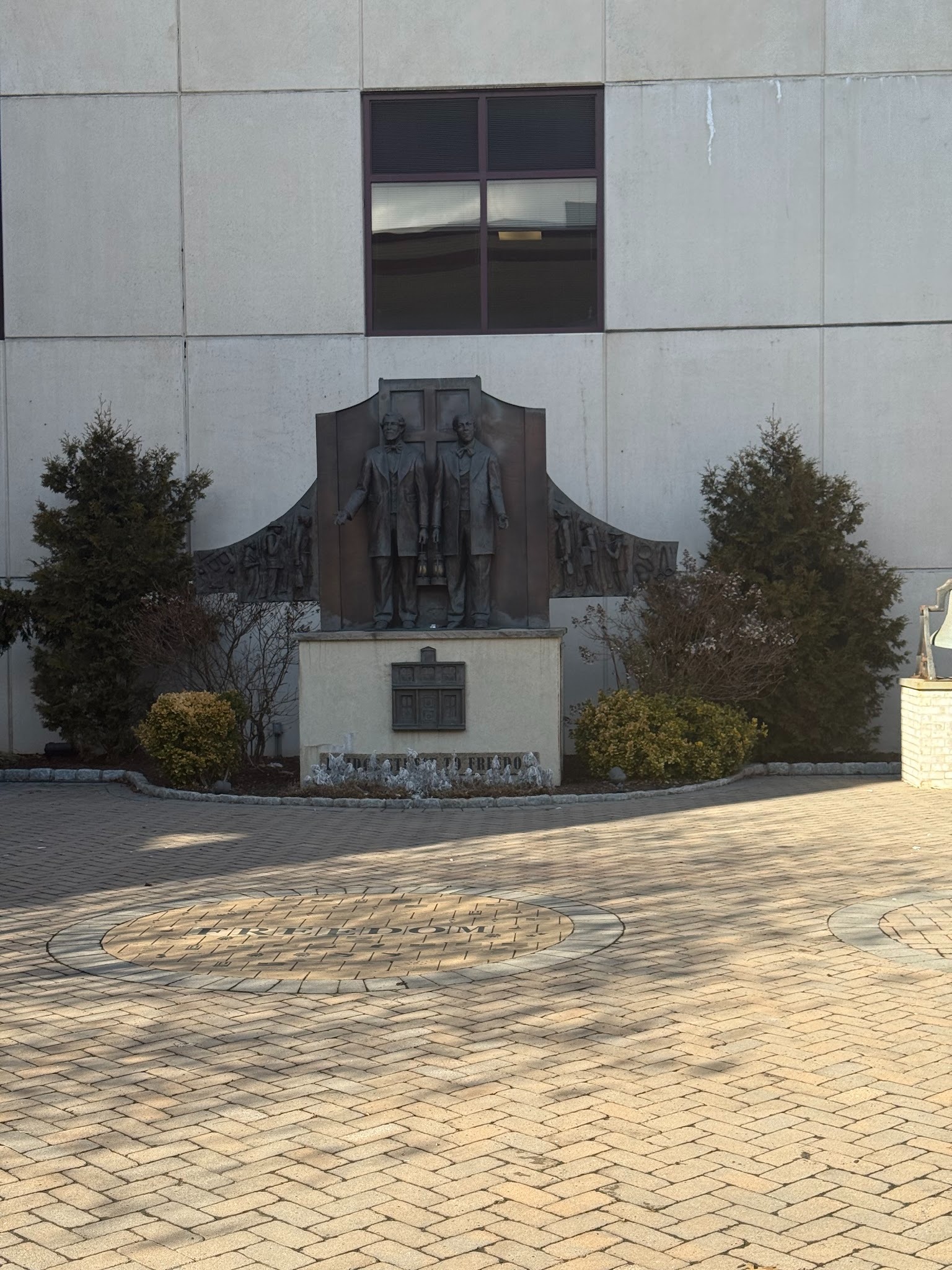
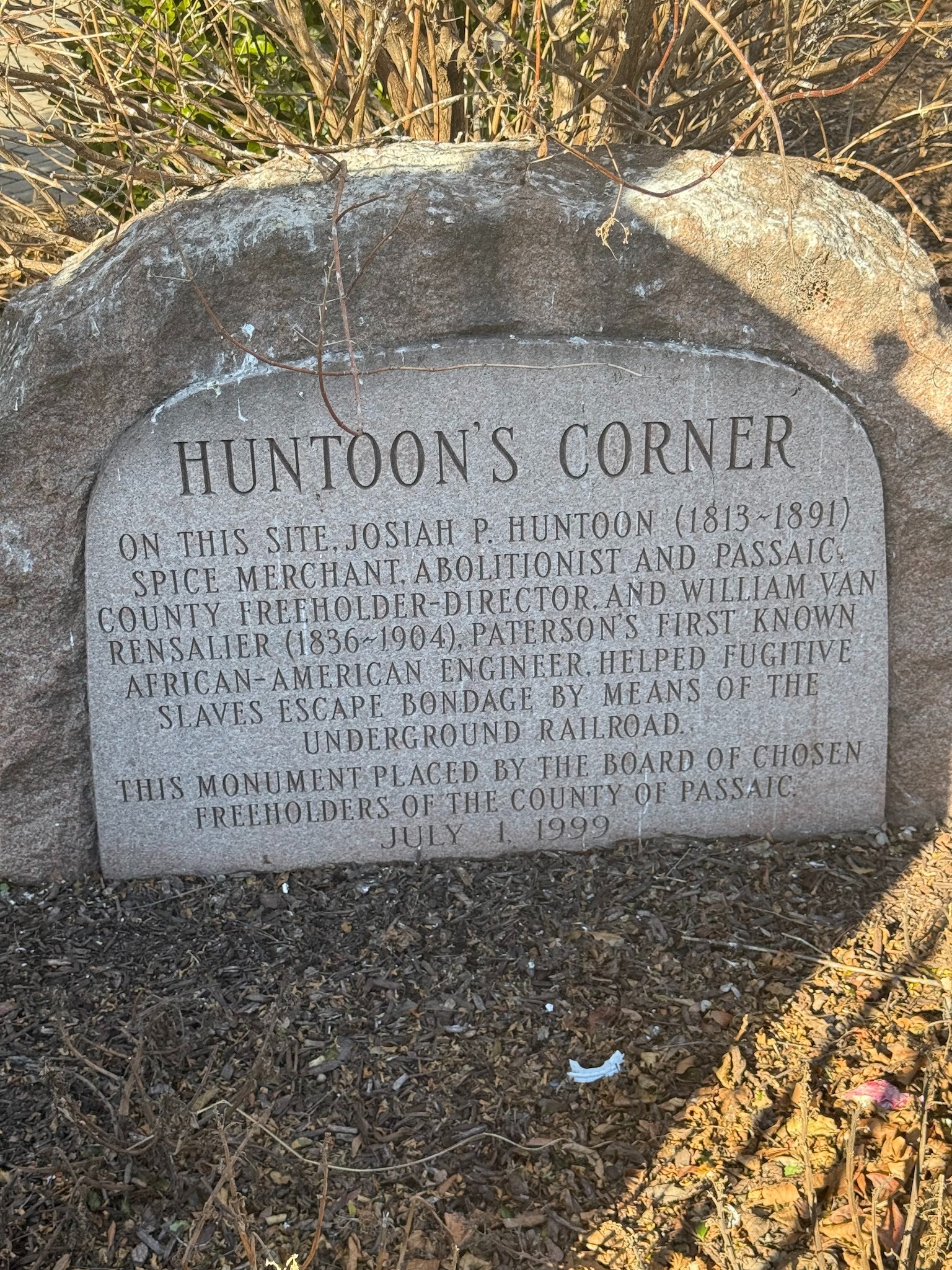
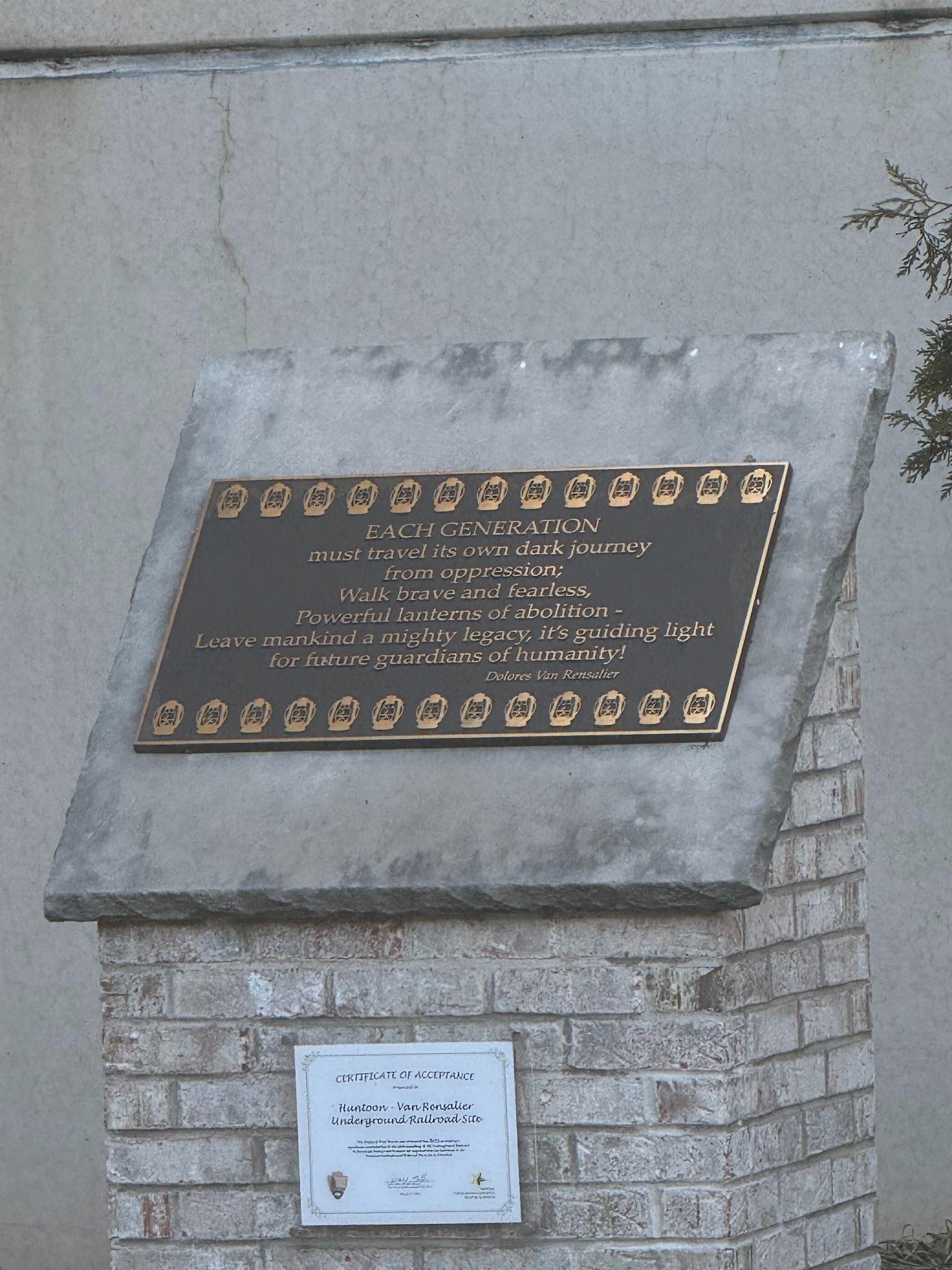
Josiah Huntoon and William Van Rensalier. Huntoon, an industrialist, bonded with Rensalier, a black engineer and descendant of slaves, over their shared fierce views on abolition. Together, during the American Civil War, the duo ran a safehouse in the cellar of Huntoon’s Paterson house, linking this to the network that made up the Underground Railroad. Here, hundreds of escaped slaves, many refugees of the brutal war, were housed and cared for by Huntoon and Rensalier. A monument in the middle of Paterson,
New Jersey honors the efforts of this duo of civil rights activists, displaying sculptures on the left and right that represent the freed slaves housed by the duo and a large sculpture of both of them in the center of the monument. Josiah Huntoon and William van Rensalier will be remembered forever for their efforts to keep those escaping the brutality of slavery safe, making an unmistakable impact on the civil rights movement in New Jersey and beyond.

