Download Civil Rights Tour App


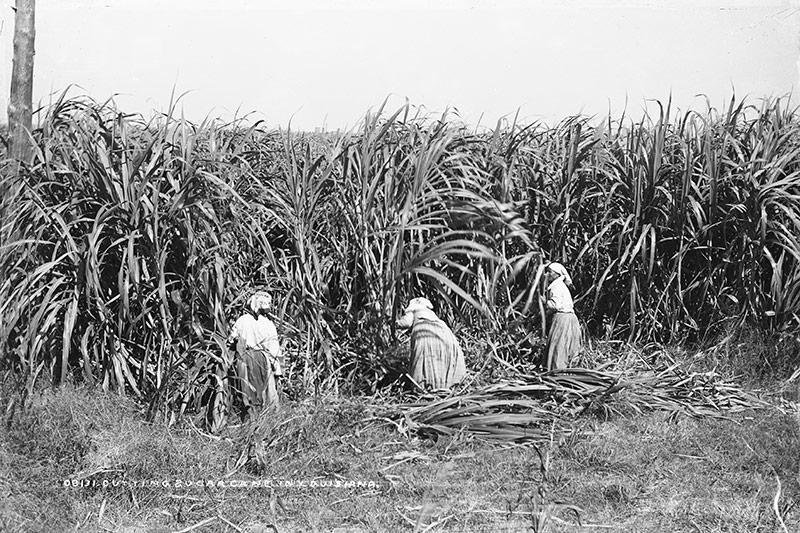
In November 1887, sugar plantation workers in southern Louisiana organized a major strike demanding fair wages, better payment practices, and greater economic independence. The strike ended in one of the most devastating episodes of racial violence in American labor history, known as the Thibodaux Massacre.
During the decades following the Civil War, formerly enslaved African Americans continued working on sugar plantations under difficult economic conditions. Many plantation owners controlled housing, employment, and access to essential goods.
Workers were often paid through a system known as plantation scrip, which could be used at company-owned stores instead of providing ordinary cash wages. These arrangements frequently created debts that limited workers' freedom.
By the 1880s, sugar workers increasingly demanded greater control over their wages and working conditions.
The Knights of Labor, an organization representing workers across different occupations, helped organize plantation laborers in southern Louisiana.
In October 1887, union representatives presented demands to the Louisiana Sugar Producers Association. Workers called for cash payments instead of scrip, modest wage increases, and payments every two weeks.
When plantation owners refused to accept these demands, a regional strike began on November 1, 1887.
Approximately 10,000 sugar workers participated across several sugar-producing parishes, although the precise number remains uncertain.
The strike occurred during the crucial sugar harvest season, when delays could cause significant financial losses for plantation owners.
In response, Governor Samuel D. McEnery deployed the state militia to the affected region. Troops assisted with removing striking workers from plantation housing and protecting replacement laborers.
Many displaced African American workers and their families sought shelter in the town of Thibodaux.
As tensions increased, white citizens organized armed patrols and restricted the movement of Black residents.
Around November 22 and 23, 1887, violence erupted after two white guards were wounded.
Armed white vigilantes subsequently entered African American neighborhoods, attacking workers and their families. Men, women, and children were among those targeted.
Dozens of African Americans were killed, although the exact death toll remains disputed because many records were lost, incomplete, or never created.
Survivor Jack Conrad later described the violence in testimony preserved in federal pension records. His account helped historians reconstruct events that had been obscured for generations.
The massacre effectively ended the strike. Workers returned to plantations under conditions imposed by employers, while racial violence discouraged further organized labor activity in Louisiana's sugar industry.
For decades, the tragedy received limited public recognition.
Historical research, archival investigations, and the efforts of descendants gradually brought renewed attention to the massacre and the people affected by it.
In 2017, local governing bodies formally condemned the violence.
On June 21, 2025, the Jack Conrad Thibodaux Massacre Foundation and community supporters dedicated a historical marker at 1123 Bourbon Street in Thibodaux.
The marker commemorates the victims and the wider struggle for dignity, economic independence, and workers' rights.
Today, the Thibodaux Massacre remains an important chapter in Louisiana's civil rights and labor history. It demonstrates how racial discrimination and violence were used to suppress African American workers' efforts to secure fair compensation and greater freedom after emancipation.