Download Civil Rights Tour App


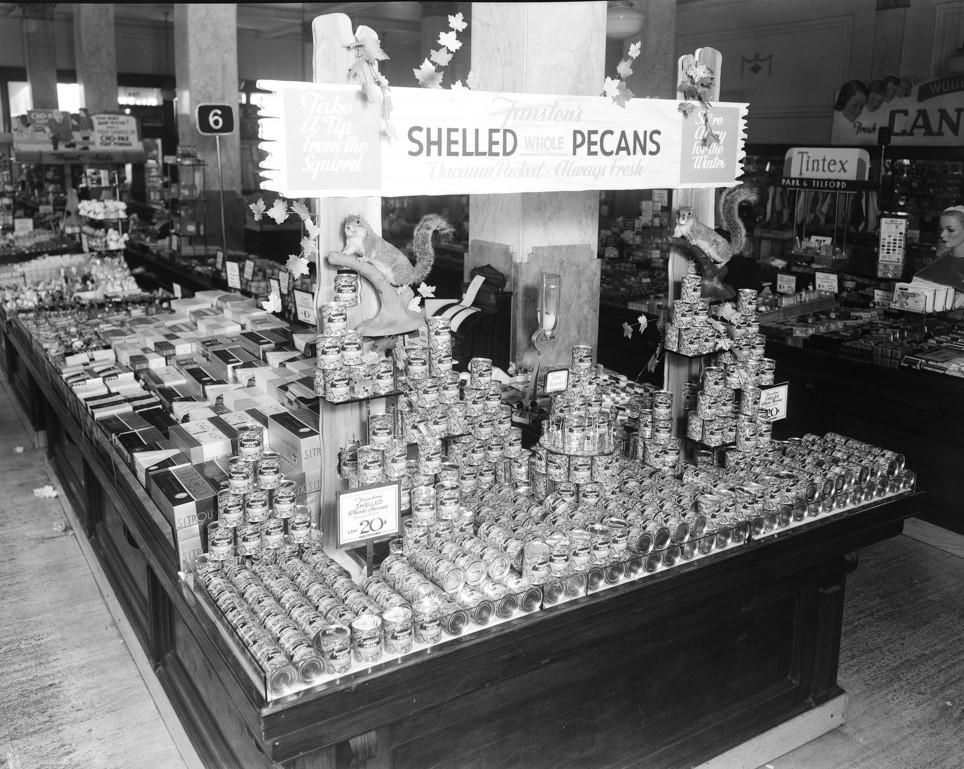
In May 1933, predominantly African American women working for the R. E. Funsten Nut Company in St. Louis, Missouri, organized a major labor strike that challenged poverty wages, racial pay inequality, and harsh industrial working conditions. The action became an important example of Black women's leadership in the American labor movement during the Great Depression.
St. Louis was a major center of pecan processing. The industry's workers, often called nut pickers, manually separated edible pecan meat from shells. The work demanded long hours of repetitive labor, often in crowded and unsanitary factories. Women were frequently paid according to the amount of usable nutmeat they processed rather than receiving a guaranteed hourly wage.
Most workers in the local industry were African American women. White women performing similar work could receive higher rates of pay. Workers described low earnings, inadequate facilities, and pressure from supervisors. Economic conditions became worse during the Great Depression, when unemployment made alternative jobs difficult to obtain.
Between 1931 and 1933, Funsten workers experienced repeated wage reductions. Some women earned only a few dollars each week, leaving families struggling to afford food, rent, clothing, and other necessities. The combination of low wages, unequal treatment, and unsafe conditions encouraged workers to organize.
During the spring of 1933, employees began attending meetings and forming committees. Organizing support came from the Food Workers Industrial Union, affiliated with the Trade Union Unity League, as well as Communist Party and unemployed-community activists.
The workers demanded substantially higher piecework rates, equal wages for Black and white employees, and recognition of their union. They also sought greater dignity and protection against mistreatment.
One of the strike's most important leaders was Carrie Smith, an experienced African American worker who had been employed by Funsten for eighteen years. Another prominent participant was Cora Lewis, a widowed mother of six.
On May 13, 1933, workers gathered at a mass meeting and voted to strike. According to the State Historical Society of Missouri, Smith carried a Bible and a brick and encouraged the women to continue their struggle.
The strike began on Monday, May 15, at the company's Easton Avenue operation and spread to other factories. Smith helped organize a walkout at another shop after receiving word that the Easton workers had stopped work.
Initially, some white employees remained inside, but contemporary testimony describes white women joining the Black workers on the picket line the following day. This cooperation challenged racial divisions that employers had maintained within the workplace.
Participation grew to more than one thousand workers, although historical accounts differ about the exact total. The strike disrupted production and attracted widespread attention.
Picketing led to confrontations involving workers, police, and strikebreakers. The State Historical Society of Missouri reports approximately one hundred arrests. Despite these difficulties, the strikers continued organizing demonstrations and demanding negotiations.
St. Louis Mayor Bernard F. Dickmann's administration became involved in efforts to settle the dispute. Carrie Smith and other representatives met with company officials and municipal mediators.
On May 23, the parties reached a negotiated settlement. Contemporary reporting describes the agreement and return-to-work process continuing through May 24 and 25. The settlement increased piecework wages, with some workers experiencing approximately doubled earnings. Historical research also identifies important gains toward equal pay for Black and white employees.
Formal union recognition, however, was not fully secured. Workers organized through the Food Workers Industrial Union, but later layoffs, mechanization, plant changes, and renewed disputes weakened their collective bargaining position.
The Funsten strike demonstrated that Black working-class women could lead large-scale industrial campaigns, challenge racial wage discrimination, and secure economic improvements through collective action.
Today, the strike is documented through the State Historical Society of Missouri, contemporary workers' testimony, university archives, and historical scholarship. Although the precise surviving factory sites require further geographic research, the events of May 1933 remain an important chapter in the history of African American civil rights, women's labor activism, and the demand for economic equality.