
Download Civil Rights Tour App


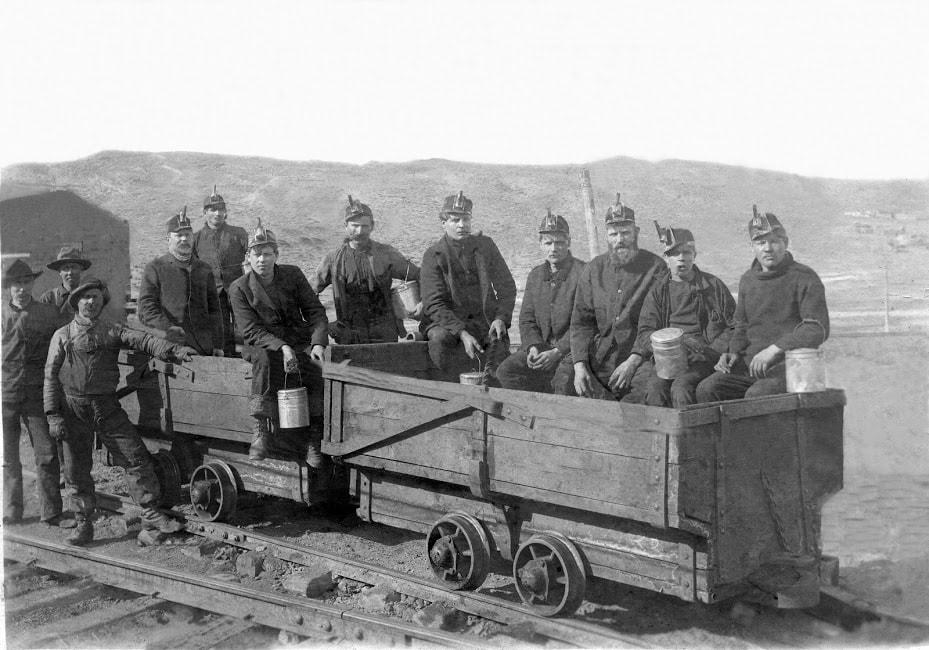
The Dana coal miners' labor struggle of 1889–1890 took place in a short-lived Union Pacific mining town southwest of Hanna, Wyoming.
Workers were paid according to the weight of coal they mined, but the company weighed coal after screening, reducing the amount counted toward their wages.
In December 1889, miners walked out after demands for better compensation were rejected.
The company recruited approximately 200 Black miners from Ohio through James E. Shepperson in February 1890, intending to replace the striking workers.
Many recruits objected to the unfair wage system, and some may not have known they were being brought in as strikebreakers.
Their resistance gained attention in Wyoming's territorial legislature.
Representative Thomas Sneddon introduced legislation addressing coal-weighing practices, and an amended bill passed in March 1890.
For a short period, Dana became a majority-Black mining community. After the mine closed, many families moved to Hanna and Rock Springs.
Their story reflects the intersection of workers' rights, racial inequality, migration, and African American contributions to the American West.