← All State Chapter Presidents
IN
State Chapter President

Emmett D.

Indiana

Their civil rights story

Crisfield Crab Pickers' Strike (1938) — African American Women's Labor Rights
LGBTQ+ rights

Crisfield Crab Pickers' Strike (1938) — African American Women's Labor Rights

Maryland

From April 6 to May 10, 1938, approximately 600 crab pickers, predominantly African American women, organized a five-week strike in Crisfield, Maryland. The workers protested a reduction in crab-picking wages and demanded recognition of their labor union. Shiloh United Methodist Church provided a gathering place and refuge while organizers faced intimidation, attacks on their homes, and violence. Despite severe opposition, the women secured an agreement restoring their pay to 35 cents per gallon of crabmeat and recognizing their union. A Maryland historical marker unveiled in 2024 honors their contribution to workers' rights, women's labor organizing, and racial equality.

Read & listen to the story →
crisfield-crab-pickers-strike-1938
Pineland Center Disability Rights Lawsuit / Wuori v. Zitnay (1975–1978)
LGBTQ+ rights

Pineland Center Disability Rights Lawsuit / Wuori v. Zitnay (1975–1978)

Maine

On July 3, 1975, residents of Pineland Center in New Gloucester, Maine, filed a federal class-action lawsuit challenging institutional conditions and inadequate services for people with developmental disabilities. The case, originally known as Wuori v. Zitnay, sought protections for residents' safety, education, treatment, and opportunities to live in less restrictive settings. On July 14, 1978, a federal court approved a consent decree requiring improved institutional standards, individualized care planning, and expanded community-based programs. The agreement became an important milestone in Maine's disability rights movement. Pineland Center closed in 1996, and its former campus has since been repurposed.

Read & listen to the story →
pineland-center-wuori-v-zitnay-1975-1978
Wabanaki Native American Voting Rights Breakthrough (1954–1967)
LGBTQ+ rights

Wabanaki Native American Voting Rights Breakthrough (1954–1967)

Maine

In 1954, Maine removed a major barrier preventing Wabanaki citizens living on reservations from voting in federal elections. Although the Indian Citizenship Act of 1924 had recognized Native Americans as United States citizens, Maine continued excluding reservation residents from the ballot. Penobscot activists including Lucy Nicolar Poolaw, Florence Shay, and veteran Charles Norman Shay challenged this discrimination. In 1955, Poolaw cast a widely documented historic ballot. Native residents gained access to state elections in 1967, completing another important stage in the struggle for equal political participation. A historical marker on Indian Island honors Poolaw's advocacy and the larger campaign for Indigenous voting rights.

Read & listen to the story →
wabanaki-native-american-voting-rights-1954-1967
Baton Rouge Bus Boycott (1953) — Racial Equality and Public Transportation Rights
LGBTQ+ rights

Baton Rouge Bus Boycott (1953) — Racial Equality and Public Transportation Rights

Louisiana

In June 1953, African American residents of Baton Rouge, Louisiana, organized a groundbreaking boycott against segregated public buses. After state officials overturned a city ordinance allowing Black passengers greater access to empty seats, Rev. T. J. Jemison and the United Defense League organized a mass protest beginning June 19. Thousands of Black passengers stopped riding city buses and used volunteer carpools instead. The boycott placed enormous financial pressure on the bus company and ended with a limited seating compromise that preserved segregation. Despite its incomplete victory, the protest became an important model for the 1955 Montgomery Bus Boycott and the broader Civil Rights Movement.

Read & listen to the story →
baton-rouge-bus-boycott-1953
Thibodaux Massacre and Louisiana Sugar Workers' Strike (1887)
LGBTQ+ rights

Thibodaux Massacre and Louisiana Sugar Workers' Strike (1887)

Louisiana

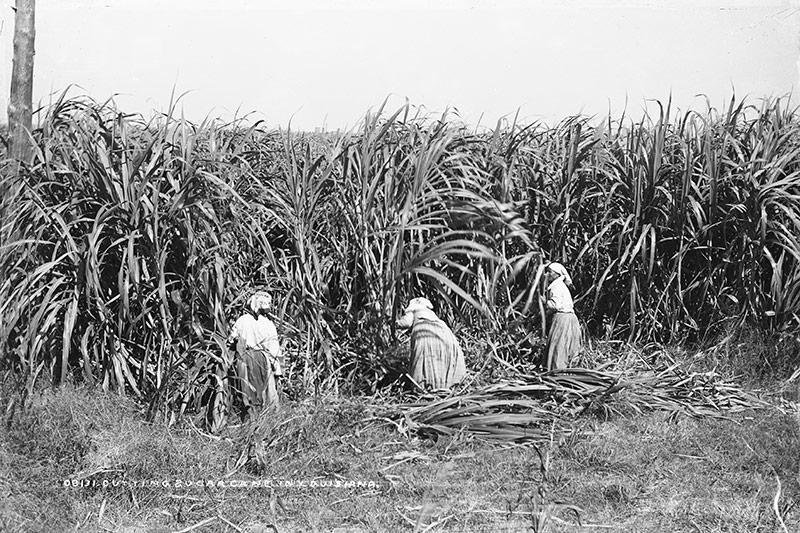
In November 1887, approximately 10,000 sugar plantation workers in southern Louisiana launched a strike demanding fairer wages and cash payments instead of plantation store scrip. Organized with the Knights of Labor, the strike affected several sugar-producing parishes. After workers and their families were evicted from plantation housing, many gathered in Thibodaux. Around November 22–23, armed white vigilantes attacked African American workers and residents, killing dozens. The exact death toll remains disputed. The Thibodaux Massacre exposed the violent suppression of Black labor organizing after emancipation and remains an important chapter in American labor and civil rights history.

Read & listen to the story →
thibodaux-massacre-louisiana-sugar-strike-1887
Nugent House — Georgia and Alice Nugent's Black Women's Suffrage Activism (1919–1920s)
LGBTQ+ rights

Nugent House — Georgia and Alice Nugent's Black Women's Suffrage Activism (1919–1920s)

Kentucky

In June 1919, African American suffragists Georgia and Alice Nugent purchased a home at 845 South 6th Street in Louisville, Kentucky. The house became a gathering place for Black women's civic organizations advocating voting rights, educational opportunities, racial equality, and community welfare. The sisters helped lead Louisville's Woman's Improvement Club and the Kentucky Association of Colored Women's Clubs. Their organizing continued through the ratification of the Nineteenth Amendment in 1920, when many Black women still faced racial barriers to voting. The Nugent House was added to the National Register of Historic Places in 2020, preserving the legacy of their advocacy.

Read & listen to the story →
nugent-house-georgia-alice-nugent-womens-suffrage
Harlan County Coal Miners' Strike (1931–1932) — Workers' Rights and Labor Organizing
LGBTQ+ rights

Harlan County Coal Miners' Strike (1931–1932) — Workers' Rights and Labor Organizing

Kentucky

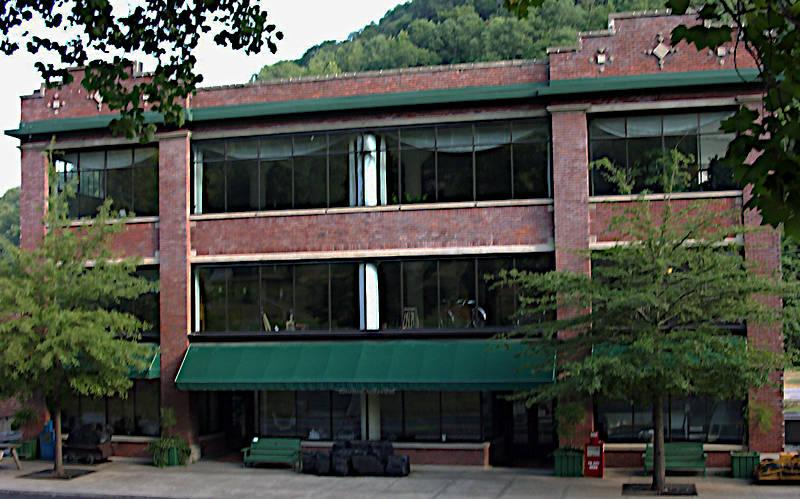
In 1931–1932, coal miners and their families in Harlan and Bell Counties, Kentucky, struggled against low wages, unemployment, evictions, and opposition to labor unions. The conflict escalated on May 5, 1931, when a gun battle near Evarts left four people dead. After the United Mine Workers of America withdrew support, the National Miners Union helped some miners continue organizing and obtain relief. Violence and intimidation attracted national attention, including an investigation by prominent writers whose findings appeared in Harlan Miners Speak in 1932. The strikes became an important chapter in Appalachian labor history and the struggle for collective bargaining rights.

Read & listen to the story →
ishimwe-k-kentucky
harlan-county-coal-miners-strike-1931-1932
Susanna Madora Salter — First Woman Elected Mayor in the U.S. (1887)
LGBTQ+ rights

Susanna Madora Salter — First Woman Elected Mayor in the U.S. (1887)

Kansas

On April 4, 1887, Susanna Madora Salter became the first woman elected mayor in the United States when voters in Argonia, Kansas, gave her approximately two-thirds of the vote. Just weeks after Kansas women gained municipal voting rights, local men placed her name on the ballot as a joke intended to embarrass women involved in politics. Instead, voters elected the 27-year-old civic leader. Salter served a one-year term and demonstrated women's ability to hold elected office. Her preserved home in Argonia commemorates this important milestone in women's political equality and American history.

Read & listen to the story →
tara-m-kansas
susanna-madora-salter-first-woman-mayor-1887
Amazon Army Women's Labor Protest (1921) — Workers' Rights and Women's Organizing
LGBTQ+ rights

Amazon Army Women's Labor Protest (1921) — Workers' Rights and Women's Organizing

Kansas

On December 12–14, 1921, thousands of women from coal-mining families marched through southeast Kansas to support striking miners and challenge restrictions on organized labor. Beginning near Franklin, the wives, mothers, sisters, and daughters of miners blocked entrances to coal mines and confronted replacement workers. Known nationally as the "Amazon Army," the movement protested poor wages, difficult living conditions, and Kansas's Court of Industrial Relations system. Governor Henry J. Allen mobilized the National Guard to restore order. The protests became an important example of women's leadership in labor organizing and the struggle for workers' rights.

Read & listen to the story →
tara-m-kansas
amazon-army-womens-labor-protest-1921
Arabella Mansfield — First Woman Admitted to the U.S. Bar (1869)
LGBTQ+ rights

Arabella Mansfield — First Woman Admitted to the U.S. Bar (1869)

Iowa

On June 15, 1869, Arabella “Belle” Babb Mansfield became the first woman admitted to the practice of law in the United States after passing the Iowa bar examination in Mount Pleasant. Although Iowa's licensing law specified white male applicants, Judge Francis Springer interpreted the law to permit her admission. Mansfield had prepared through legal study in her brother's office and demonstrated exceptional knowledge before the examiners. Iowa removed the discriminatory statutory language in 1870. Mansfield went on to become an educator and women's suffrage advocate, helping advance women's professional opportunities and political equality. A historical marker in Mount Pleasant commemorates her legacy.

Read & listen to the story →
jordyn-v-iowa
arabella-mansfield-first-woman-us-bar-1869
Meskwaki Nation's Historic Land Reclamation (1857) — Tribal Sovereignty
LGBTQ+ rights

Meskwaki Nation's Historic Land Reclamation (1857) — Tribal Sovereignty

Iowa

On July 13, 1857, the Meskwaki Nation reclaimed part of its ancestral homeland by purchasing 80 acres of land in Tama County, Iowa, for $1,000. After forced removal to Kansas in the 1840s, Meskwaki families continued returning to Iowa and secured state permission to reside there in 1856. Their land purchase established the foundation of the Meskwaki Settlement, a community built through tribal ownership rather than a conventional federally established reservation. Over time, the Nation expanded its landholdings and strengthened its self-government. Today, the 1857 purchase is commemorated annually as Meskwaki Nation Day, honoring Indigenous resilience, land rights, and tribal sovereignty.

Read & listen to the story →
jordyn-v-iowa
meskwaki-nation-historic-land-reclamation-1857
J. Chester and Elizabeth Allen — Civil Rights Campaign (1939–1950)
LGBTQ+ rights

J. Chester and Elizabeth Allen — Civil Rights Campaign (1939–1950)

Indiana

In 1939, African American attorneys J. Chester and Elizabeth Fletcher Allen established a law practice in South Bend, Indiana, and became influential advocates for civil rights. Elizabeth worked with the NAACP, challenged discriminatory housing and educational practices, and created a Red Cross nurse's aide training and placement program for Black women. Elected to the Indiana legislature in 1938 and 1940, J. Chester fought employment discrimination and expanded access to wartime defense jobs. He also helped lead the campaign to desegregate the Engman Public Natatorium in 1950. A historical marker at their former law office honors their contributions to racial equality.

Read & listen to the story →
emmett-d-indiana
j-chester-elizabeth-allen-civil-rights-south-bend
Union Literary Institute (1846) — Biracial Education and Underground Railroad
LGBTQ+ rights

Union Literary Institute (1846) — Biracial Education and Underground Railroad

Indiana

Founded in 1846 by free African Americans and antislavery Quakers in Randolph County, Indiana, the Union Literary Institute provided education to Black and white students of both sexes at a time when Black children were excluded from Indiana's public schools. Students could work four hours daily in exchange for room and board. The institute also served as a refuge on the Underground Railroad, offering shelter and educational opportunities to people escaping slavery. Its legacy includes notable students James S. Hinton and Hiram Revels. A state historical marker now commemorates this pioneering institution near Union City.

Read & listen to the story →
emmett-d-indiana
union-literary-institute-1846-biracial-education
Dr. C. K. Ah Fong — Medical Licensing Discrimination Challenge (1899)
LGBTQ+ rights

Dr. C. K. Ah Fong — Medical Licensing Discrimination Challenge (1899)

Idaho

In 1899, Dr. Cheuck “C. K.” Ah Fong, a Chinese physician serving patients in Boise, Idaho, challenged the State Board of Medical Examiners after being denied permission to continue practicing medicine. His case arose amid anti-Chinese discrimination and restrictive licensing laws. On January 24, 1900, the Idaho Supreme Court reversed a lower court ruling and ordered further proceedings. Historical accounts indicate that Ah Fong ultimately received his medical license in 1901, becoming the first Chinese physician fully licensed in Idaho. His struggle represents an important chapter in Chinese American civil rights and professional equality.

Read & listen to the story →
julia-b-idaho
dr-ck-ah-fong-medical-licensing-discrimination-1899
Driggs Mexican Farmworkers' Pea Pickers Strike (1935) — Labor Rights and Racial Equality
LGBTQ+ rights

Driggs Mexican Farmworkers' Pea Pickers Strike (1935) — Labor Rights and Racial Equality

Idaho

In August 1935, approximately 1,500 Mexican and Mexican American pea pickers in Teton Valley near Driggs, Idaho, went on strike over low wages and unfair labor practices. Workers challenged a payment system offering seventy cents per hundred pounds of peas plus a conditional fifteen-cent bonus, demanding a guaranteed dollar per hundred pounds instead. After tensions between workers, growers, and local authorities escalated, Governor C. Ben Ross deployed the Idaho National Guard. Troops detained and removed strike participants, bringing the walkout to an end without the workers securing their demands. The strike remains an important chapter in Mexican American labor organizing and agricultural workers' civil rights in Idaho.

Read & listen to the story →
julia-b-idaho
driggs-mexican-pea-pickers-strike-1935
Farrington v. Tokushige (1927) — Japanese-Language School and Parental Education Rights
LGBTQ+ rights

Farrington v. Tokushige (1927) — Japanese-Language School and Parental Education Rights

Hawaii

Japanese Cultural Center of Hawaiʻi — Farrington v. Tokushige Educational Legacy

Read & listen to the story →
celeste-k-hawaii
farrington-v-tokushige-1927-japanese-language-school-rights
1946 Hawaiʻi Sugar Strike — Multiethnic Plantation Workers' Rights
LGBTQ+ rights

1946 Hawaiʻi Sugar Strike — Multiethnic Plantation Workers' Rights

Hawaii

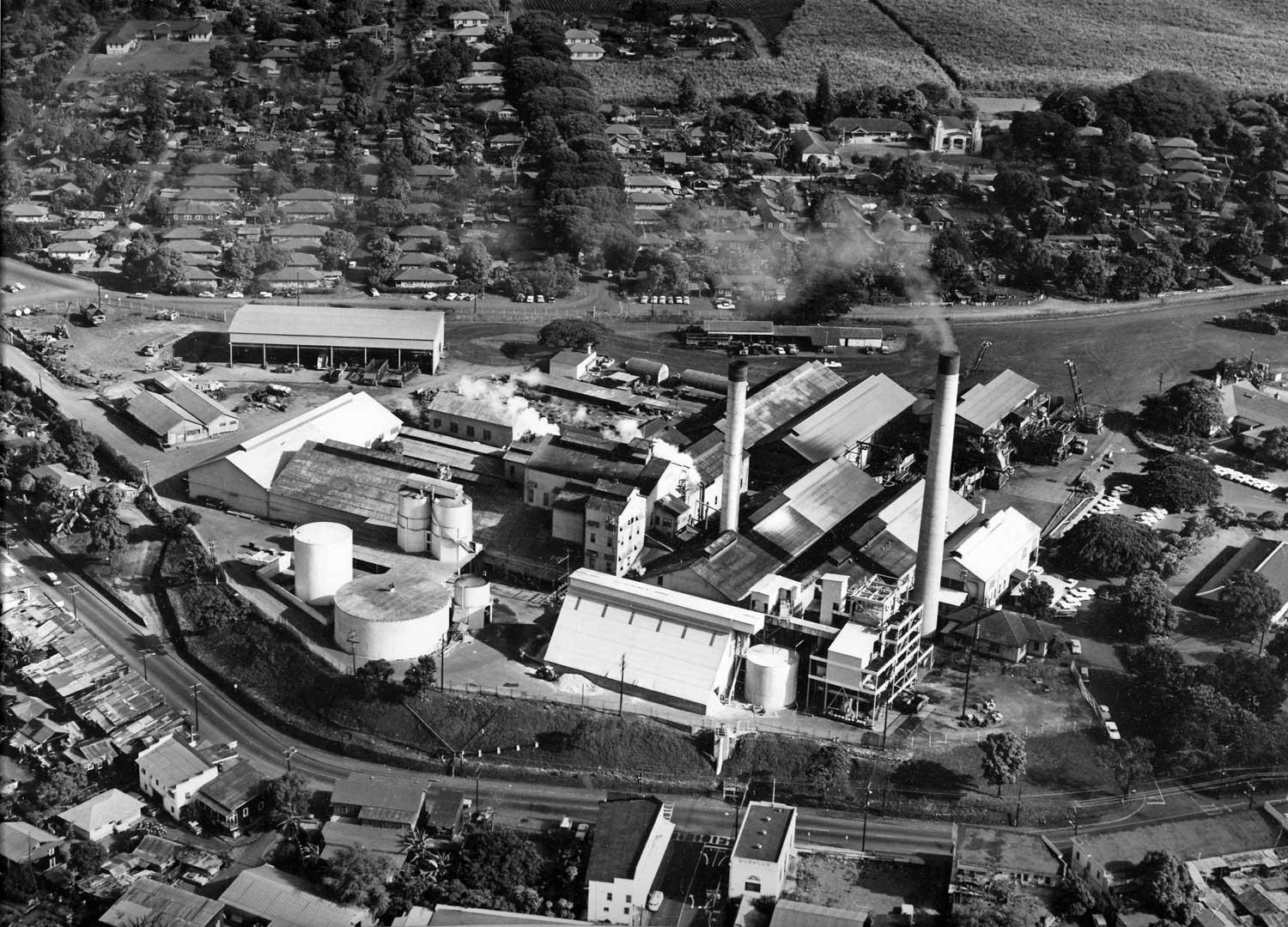
On September 1, 1946, approximately 26,000 sugar plantation workers across Hawaiʻi began a 79-day strike organized by the International Longshore and Warehouse Union (ILWU). Workers from Filipino, Japanese, Chinese, Native Hawaiian, Portuguese, and other communities united to demand higher wages, fair working conditions, and an end to discriminatory plantation practices. The strike shut down 33 of the territory's 34 sugar plantations. Through picket lines, community kitchens, and family support networks, workers sustained their movement until a November settlement secured significant gains. The 1946 strike transformed labor relations and strengthened multiethnic solidarity in Hawaiʻi.

Read & listen to the story →
celeste-k-hawaii
1946-hawaii-sugar-strike-plantation-workers-rights
The Leesburg Stockade Girls (1963) — Youth Civil Rights Protest and Detention
LGBTQ+ rights

The Leesburg Stockade Girls (1963) — Youth Civil Rights Protest and Detention

Georgia

In July 1963, African American girls participating in civil rights demonstrations in Americus, Georgia, were arrested and taken to the Leesburg Stockade in Lee County. Some were as young as twelve. The girls were detained without formal charges in an overcrowded cell with inadequate water, sanitation, and bedding, while their families initially did not know where they were held. Photographer Danny Lyon of the Student Nonviolent Coordinating Committee documented their conditions, and the resulting national publicity helped secure their release in September 1963. A Georgia Civil Rights Trail marker now honors their courage and contributions to the struggle against segregation.

Read & listen to the story →
emma-a-georgia
leesburg-stockade-girls-1963-civil-rights
Primus E. King — Georgia White Primary Voting Rights Challenge (1944–1946)
LGBTQ+ rights

Primus E. King — Georgia White Primary Voting Rights Challenge (1944–1946)

Georgia

On July 4, 1944, Primus E. King, an African American barber, minister, and registered voter in Columbus, Georgia, attempted to vote in the Democratic primary at the Muscogee County Courthouse. Election officials denied him a ballot solely because of his race. Supported by civil rights organizer Dr. Thomas H. Brewer and local attorneys, King challenged the exclusion in federal court. On October 12, 1945, the court ruled in his favor, and the Fifth Circuit Court of Appeals upheld the decision on March 6, 1946. The case helped end Georgia's all-white Democratic primaries and advance African American voting rights.

Read & listen to the story →
emma-a-georgia
primus-e-king-georgia-white-primary-voting-rights
Johns Committee Investigations (1956–1965) — LGBTQ+ Rights and Academic Freedom
LGBTQ+ rights

Johns Committee Investigations (1956–1965) — LGBTQ+ Rights and Academic Freedom

Florida

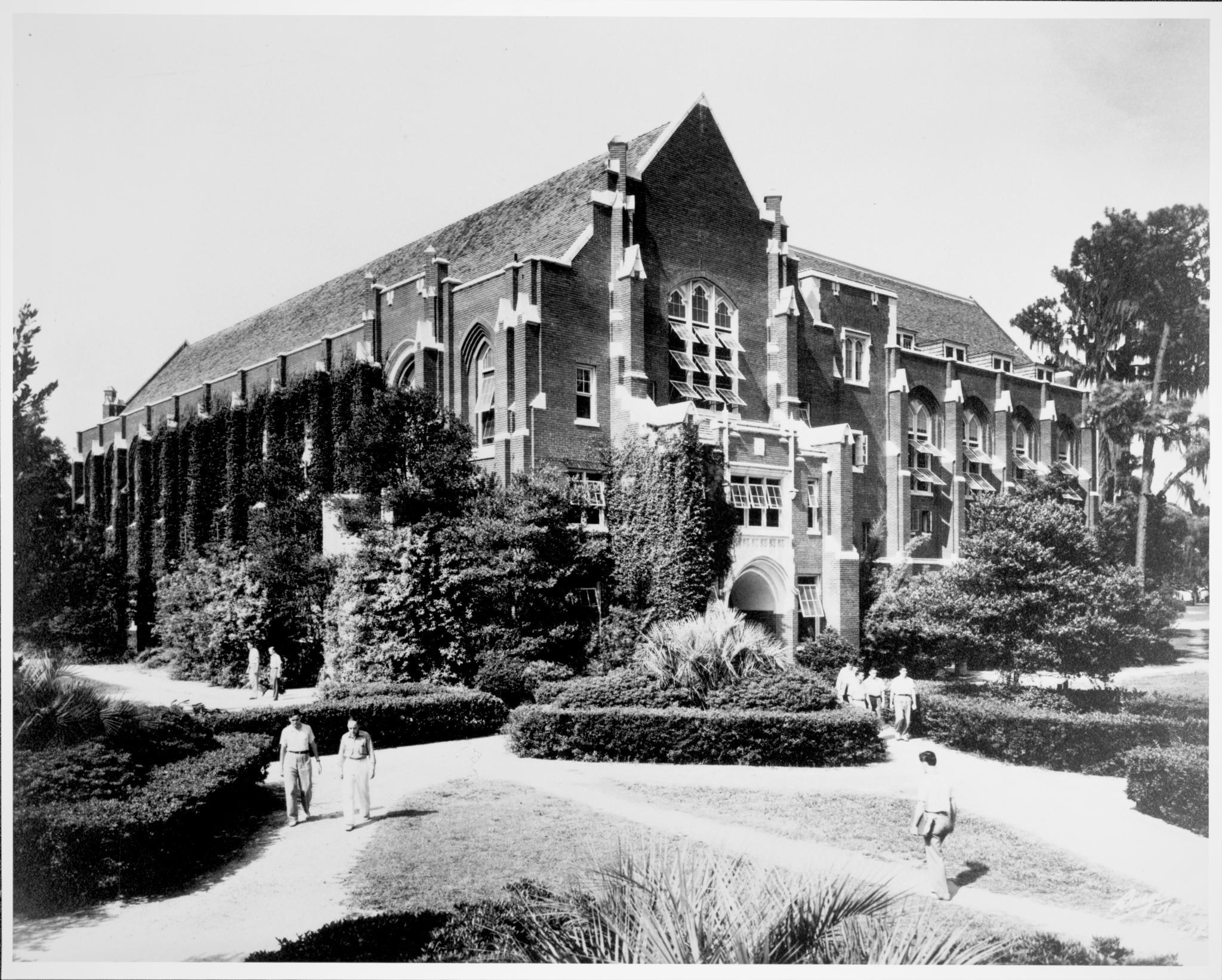
From 1956 to 1965, Florida's Johns Committee investigated civil rights activists, students, and educators accused of subversive activities. Beginning in 1958, the committee targeted suspected gay students and faculty at the University of Florida in Gainesville. Investigators conducted surveillance and interrogations that led to the departure of at least 15 professors and more than 50 students. In 1964, the committee published the controversial report Homosexuality and Citizenship in Florida, known as the Purple Pamphlet. Public criticism contributed to the committee's dissolution in 1965. The investigations remain an important chapter in LGBTQ+ rights, civil liberties, and academic freedom.

Read & listen to the story →
isabella-m-florida
johns-committee-investigations-1956-1965
Fellsmere Women's Voting Rights Breakthrough (1915)
LGBTQ+ rights

Fellsmere Women's Voting Rights Breakthrough (1915)

Florida

In 1915, Fellsmere became the first municipality in Florida to grant women equal voting rights in local elections. Residents approved a town charter containing a provision for women's suffrage, and Governor Park Trammell signed the incorporation law on May 12, 1915. That June, Zena M. Dreier became the first woman recorded to vote in a Fellsmere municipal election, years before the Nineteenth Amendment was ratified nationally. A historical marker on North Broadway commemorates this breakthrough in women's voting rights and Fellsmere's role in the wider suffrage movement.

Read & listen to the story →
isabella-m-florida
fellsmere-womens-voting-rights-1915
Aumiller v. University of Delaware (1977) — LGBTQ+ Free Speech and Employment Rights
LGBTQ+ rights

Aumiller v. University of Delaware (1977) — LGBTQ+ Free Speech and Employment Rights

Delaware

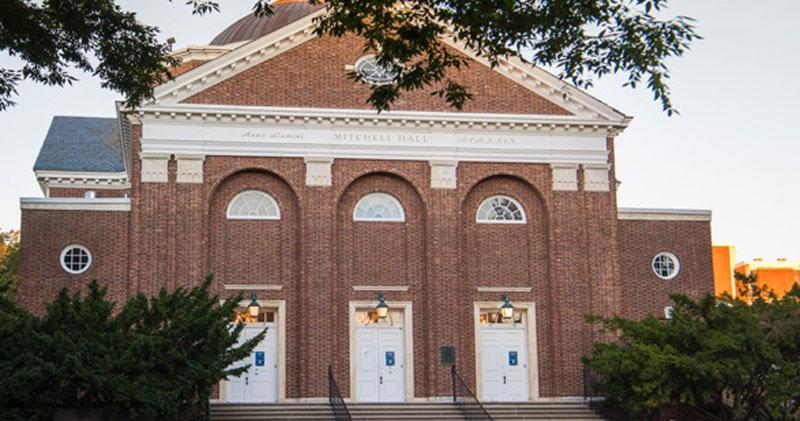
On June 21, 1977, a federal court ruled in favor of Richard B. Aumiller, a gay theater lecturer at the University of Delaware, after university officials declined to renew his contract because of public comments about homosexuality. Aumiller had served as faculty advisor to the campus Gay Community and spoken to newspapers about LGBTQ+ issues. In 1975, one of those interviews took place in his office in Mitchell Hall. The court found that the nonrenewal violated his First Amendment right to free expression. The case became an important victory for LGBTQ+ advocacy, academic freedom, and public employees' speech rights.

Read & listen to the story →
zanthia-o-delaware
aumiller-v-university-of-delaware-1977
Belton v. Gebhart / Bulah v. Gebhart (1951–1952) — School Desegregation
LGBTQ+ rights

Belton v. Gebhart / Bulah v. Gebhart (1951–1952) — School Desegregation

Delaware

In 1951, African American families in Claymont and Hockessin, Delaware, challenged unequal public education in the cases Belton v. Gebhart and Bulah v. Gebhart. Ethel Louise Belton and other students sought admission to Claymont High School, while Sarah Bulah fought for her daughter Shirley's access to a better school and equal transportation. On April 1, 1952, Chancellor Collins J. Seitz ordered the Black students admitted to formerly white schools because their existing educational facilities were unequal. The Delaware Supreme Court upheld the ruling. These cases became Delaware's contribution to the landmark 1954 Brown v. Board of Education decision.

Read & listen to the story →
zanthia-o-delaware
belton-bulah-v-gebhart-delaware-school-desegregation
Connecticut Gay Rights Law — Public Act 91-58 (1991)
LGBTQ+ rights

Connecticut Gay Rights Law — Public Act 91-58 (1991)
Connecticut

On May 1, 1991, Connecticut Governor Lowell P. Weicker Jr. signed Public Act 91-58, prohibiting discrimination based on sexual orientation in employment, housing, public accommodations, and credit. The law followed eighteen years of campaigning, legislative defeats, and demonstrations by LGBTQ+ civil rights advocates. In 1987 and 1989, supporters protested at the Connecticut State Capitol after proposed protections failed. The 1991 legislation made Connecticut one of the earliest states to establish statewide sexual-orientation anti-discrimination protections, marking an important milestone in the struggle for LGBTQ+ equality.

Read & listen to the story →
charlie-s-connecticut
connecticut-gay-rights-law-public-act-91-58-1991
Prudence Crandall Museum / Canterbury Female Boarding School (1833–1834)
LGBTQ+ rights

Prudence Crandall Museum / Canterbury Female Boarding School (1833–1834)

Connecticut

In April 1833, educator Prudence Crandall reopened the Canterbury Female Boarding School in Connecticut for Black girls, following the admission of Sarah Harris the previous year. The school challenged racial discrimination in education and attracted students from several states. Local opponents organized boycotts, and Connecticut passed the 1833 Black Law restricting the education of out-of-state Black students. Crandall was arrested and prosecuted, but continued teaching. After a violent mob attack in September 1834, the school closed. The original building is now the Prudence Crandall Museum, preserving this landmark struggle for racial and educational equality.

Read & listen to the story →
charlie-s-connecticut
prudence-crandall-museum-canterbury-boarding-school
Colorado Women's Suffrage Referendum (1893) — Women's Voting Rights
LGBTQ+ rights

Colorado Women's Suffrage Referendum (1893) — Women's Voting Rights

Colorado

On November 7, 1893, Colorado voters approved a landmark referendum granting women the right to vote in state elections. The measure passed with 35,798 votes in favor and 29,551 opposed, making Colorado the first U.S. state to adopt women's suffrage through a popular referendum. Activists including Carrie Chapman Catt, Ellis Meredith, and Minnie J. Reynolds supported a statewide campaign of speeches, newspaper articles, and community organizing. A historical marker at 17th and California Streets in Denver commemorates the earlier women's suffrage association whose organizing helped lay the foundations for this victory.

Read & listen to the story →
christa-t-colorado
colorado-womens-suffrage-referendum-1893
Gang of 19 — Denver Accessible Bus Protest (1978)
LGBTQ+ rights

Gang of 19 — Denver Accessible Bus Protest (1978)

Colorado

On July 5–6, 1978, nineteen disability rights activists known as the Gang of 19 blocked two Regional Transportation District buses at Colfax Avenue and Broadway in Denver, Colorado. Members of the Atlantis Community demanded wheelchair-accessible public transportation, chanting "We will ride!" during a roughly 24-hour protest. Their direct action drew public attention to discrimination against people with disabilities and helped secure commitments to improve bus accessibility. The protest became an influential milestone in the American independent living and disability rights movements, helping inspire the nationwide organizing efforts of ADAPT.

Read & listen to the story →
christa-t-colorado
gang-of-19-denver-accessible-bus-protest-1978
Ed Roberts & Center for Independent Living (1972) — Disability Rights
LGBTQ+ rights

Ed Roberts & Center for Independent Living (1972) — Disability Rights

California

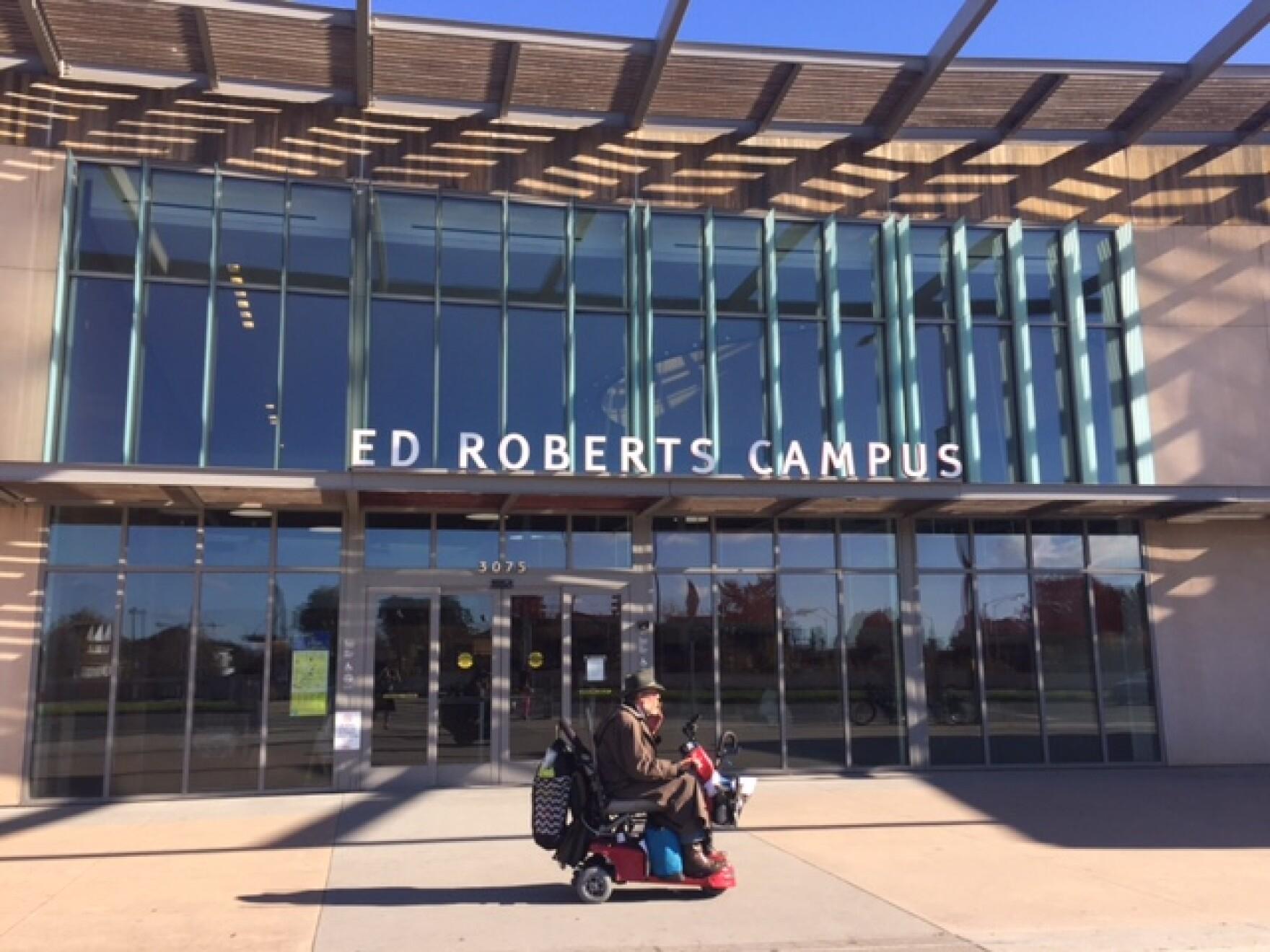
In 1972, disability rights activist Ed Roberts and fellow advocates established the Center for Independent Living in Berkeley, California. Growing out of the University of California, Berkeley's Physically Disabled Students Program, the center promoted independent living, accessibility, equal opportunities, and control over personal decisions for people with disabilities. Organized and operated by disabled people themselves, it became a model for independent living centers across the United States and internationally. Today, the Ed Roberts Campus preserves this legacy by providing accessible space for disability services and advocacy organizations.

Read & listen to the story →
isabella-h-california
ed-roberts-center-for-independent-living-1972
Wheatland Hop Riot (1913) — Agricultural Workers' Rights
LGBTQ+ rights

Wheatland Hop Riot (1913) — Agricultural Workers' Rights

California

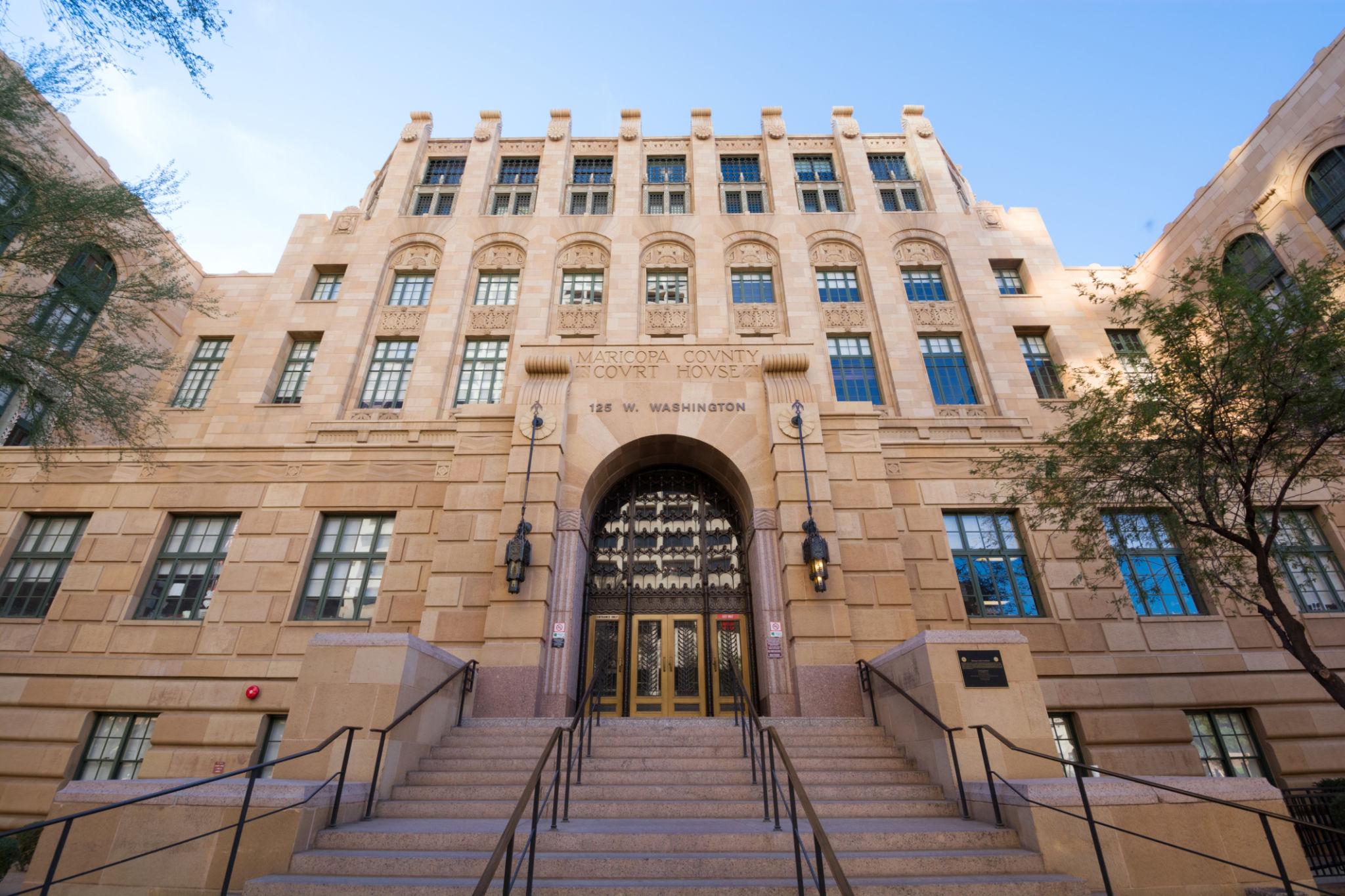
On August 3, 1913, a confrontation between striking agricultural workers and law enforcement at the Durst Hop Ranch near Wheatland, California, left four people dead and many injured. Thousands of migrant hop pickers had faced low wages, overcrowded camps, inadequate drinking water, and unsanitary living conditions. Workers supported by the Industrial Workers of the World demanded improvements, but their protests escalated into violence. The Wheatland Hop Riot brought statewide attention to the treatment of farm laborers and helped prompt investigations, labor camp reforms, and greater awareness of agricultural workers' rights.

Read & listen to the story →
isabella-h-california
wheatland-hop-riot-1913-agricultural-workers-rights
Desegregation of Hoxie Schools (1955) — Educational Equality
LGBTQ+ rights

Desegregation of Hoxie Schools (1955) — Educational Equality

Arkansas

On July 11, 1955, twenty-one African American children attended previously all-white public schools in Hoxie, Arkansas, following a unanimous decision by the local school board to end segregation. Superintendent K. E. Vance supported integration as morally right, legally required, and financially practical. Although classes initially proceeded peacefully, national publicity brought segregationist protests, boycotts, and threats. The school board defended integration in federal court, securing an injunction against interference and a favorable appeals court ruling in October 1956. Hoxie's stand became an important early victory for educational equality in Arkansas.

Read & listen to the story →
eddie-g-arkansas
desegregation-of-hoxie-schools-1955
Southern Tenant Farmers Union / Southern Tenant Farmers Museum (1934)
LGBTQ+ rights

Southern Tenant Farmers Union / Southern Tenant Farmers Museum (1934)

Arkansas

In July 1934, seven Black and eleven white tenant farmers and sharecroppers formed the Southern Tenant Farmers Union near Tyronza, Arkansas. The interracial organization challenged unfair cotton payments, evictions, and the exploitation of agricultural workers during the Great Depression. Organizers H. L. Mitchell and Clay East used their businesses in Tyronza as the union's early headquarters. Despite intimidation and violence, the union expanded and became an important forerunner of later civil rights and farm labor movements. Today, the restored Mitchell-East Building houses the Southern Tenant Farmers Museum, which opened in 2006.

Read & listen to the story →
eddie-g-arkansas
southern-tenant-farmers-union-museum-1934
George Washington Carver High School — Phillips v. Phoenix Union High Schools (1953)
LGBTQ+ rights

George Washington Carver High School — Phillips v. Phoenix Union High Schools (1953)

Arizona

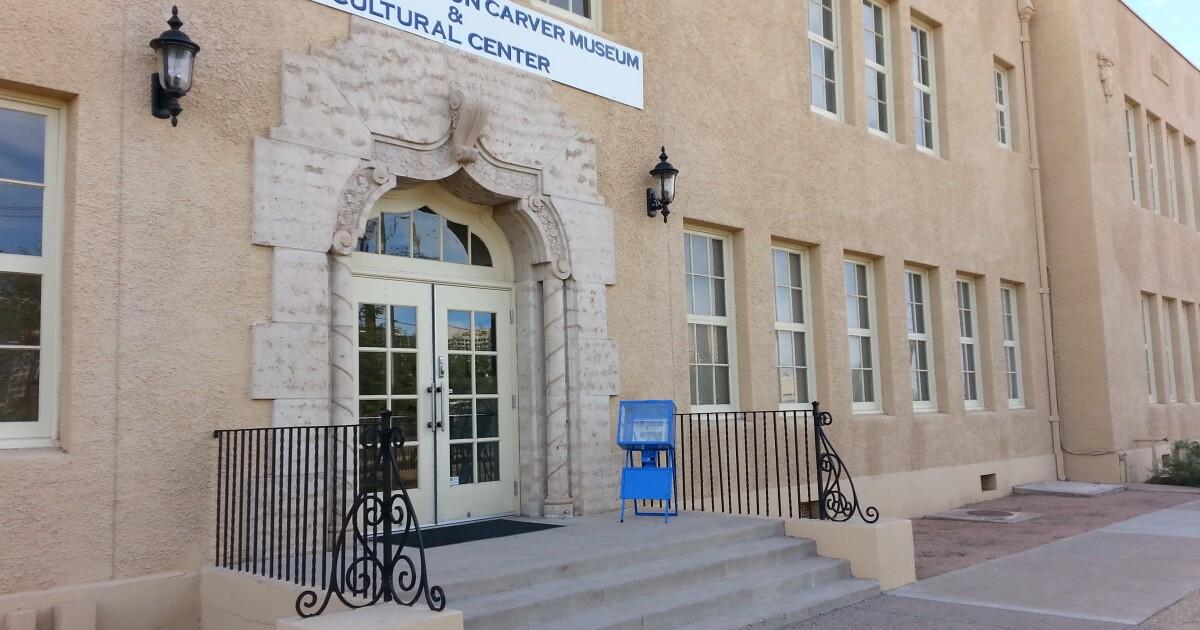
In 1952, African American families challenged school segregation in Phoenix, Arizona, after three Black students were denied admission to Phoenix Union High School. Attorneys Hayzel B. Daniels and Herbert B. Finn brought Phillips v. Phoenix Union High Schools and Junior College District to court. On February 9, 1953, Judge Fred C. Struckmeyer Jr. ruled that the district's racial segregation was illegal. The decision came more than a year before Brown v. Board of Education. George Washington Carver High School, built in 1926 as a segregated school for Black students, closed in 1954 following desegregation.

Read & listen to the story →
juni-s-arizona
carver-high-school-phillips-v-phoenix-union-1953
Harrison v. Laveen (1948) — Native American Voting Rights
LGBTQ+ rights

Harrison v. Laveen (1948) — Native American Voting Rights

Arizona

On July 15, 1948, the Arizona Supreme Court issued its landmark decision in Harrison v. Laveen, advancing Native American voting rights. Frank Harrison and Harry Austin, members of the Fort McDowell tribal community, had challenged Maricopa County Recorder Roger G. Laveen after he refused to register them to vote. The court overturned its 1928 ruling that had treated reservation Indians as people under guardianship and therefore ineligible to vote. The victory removed a major legal barrier, although discriminatory literacy tests and other obstacles continued.

Read & listen to the story →
juni-s-arizona
harrison-v-laveen-1948-native-american-voting-rights
Tillie Paul Tamaree and Charlie Jones — 1922–1923 Voting Rights Case
LGBTQ+ rights

Tillie Paul Tamaree and Charlie Jones — 1922–1923 Voting Rights Case

Alaska

On November 7, 1922, Tlingit leader Charlie Jones was initially denied the right to vote in Wrangell, Alaska. Fellow Tlingit educator and activist Tillie Paul Tamaree challenged the election officials and helped Jones cast his ballot. Both were subsequently prosecuted, with Jones accused of illegal voting and perjury and Tamaree charged with inducing an Alaska Native to vote. In October 1923, attorney William Paul, Tamaree's son, successfully defended Jones in Ketchikan. The jury found Jones not guilty, and the charges against Tamaree were dismissed, marking an important victory in the fight for Alaska Native voting rights.

Read & listen to the story →
harley-g-alaska
tillie-paul-tamaree-charlie-jones-voting-rights-1922-1923
Unangax̂ (Aleut) WWII Evacuation and Internment — Funter Bay (1942–1945)
LGBTQ+ rights

Unangax̂ (Aleut) WWII Evacuation and Internment — Funter Bay (1942–1945)

Alaska

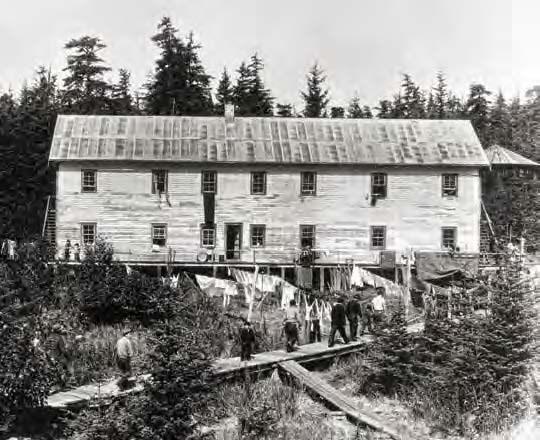
In June 1942, the U.S. government forcibly evacuated Unangax̂ (Aleut) communities from Alaska's Aleutian and Pribilof Islands during World War II. Residents of St. Paul and St. George arrived at Funter Bay on June 24, 1942, and were confined in an abandoned cannery and a former gold mine camp. Inadequate housing, poor sanitation, illness, and limited medical care caused great suffering and loss of life. The Funter Bay camps became significant sites in the history of Indigenous civil rights, wartime displacement, and the struggle for federal accountability.

Read & listen to the story →
harley-g-alaska
unangax-aleut-wwii-evacuation-internment-funter-bay
Poarch Band of Creek Indians — School Equality and Federal Recognition
LGBTQ+ rights

Poarch Band of Creek Indians — School Equality and Federal Recognition

Alabama

The Poarch Band of Creek Indians in southern Alabama fought racial discrimination and unequal educational opportunities while preserving their identity as a Native American community. In 1949, the Poarch Consolidated School provided segregated education only through sixth grade. Community members successfully pressed local authorities to provide transportation so Creek children could continue to junior high and high school. Under leaders including Calvin McGhee and Eddie L. Tullis, the Tribe also pursued federal recognition, achieved on August 11, 1984. Their history represents an important struggle for Indigenous educational equality, tribal sovereignty, and civil rights.

Read & listen to the story →
regina-b-alabama
poarch-band-creek-indians-school-equality-federal-recognition
Wyatt v. Stickney (1970–1972) — Disability Rights at Bryce Hospital
LGBTQ+ rights

Wyatt v. Stickney (1970–1972) — Disability Rights at Bryce Hospital

Alabama

In 1970, patients at Bryce Hospital in Tuscaloosa, Alabama, became the focus of Wyatt v. Stickney, a landmark disability rights lawsuit. The case challenged inadequate care and institutional conditions. In 1971 and 1972, federal judge Frank M. Johnson Jr. ruled that involuntarily committed patients had a right to adequate treatment and established minimum standards for humane conditions, qualified staffing, and individualized care. The case helped transform legal protections for people with mental illnesses and developmental disabilities.

Read & listen to the story →
regina-b-alabama
wyatt-v-stickney-disability-rights-bryce-hospital
Kohler Workers' Strike and Labor Rights Conflict (1934)
LGBTQ+ rights

Kohler Workers' Strike and Labor Rights Conflict (1934)

Wisconsin

On July 16, 1934, workers at the Kohler Company in Kohler, Wisconsin, began a strike demanding independent union recognition and collective bargaining rights. On July 27, a violent confrontation between strikers and armed deputies left two workers dead and 47 wounded. The dispute continued until April 1941, when the company agreed to rehire striking workers without recognizing their union. The strike became a significant event in Wisconsin's labor rights history.

Read & listen to the story →
stella-k-wisconsin
kohler-workers-strike-and-labor-rights-conflict-1934
Black Thursday and the Oshkosh 94 Student Protest (1968)
LGBTQ+ rights

Black Thursday and the Oshkosh 94 Student Protest (1968)

Wisconsin

On November 21, 1968, 94 African American students at Wisconsin State University–Oshkosh protested racial discrimination by entering the university president's offices in Dempsey Hall. The students demanded equal treatment, more Black faculty, and better educational opportunities. The protest led to arrests and disciplinary expulsions and suspensions. Known as "Black Thursday," this event became an important chapter in the struggle for racial and educational equality in Wisconsin.

Read & listen to the story →
stella-k-wisconsin
black-thursday-oshkosh-94-student-protest-1968
Mary McLeod Bethune Council House National Historic Site — African American Women's Rights and the Fight for Equal Opportunities in Washington, DC
African American Women's Rights & Civil Rights

Mary McLeod Bethune Council House National Historic Site — African American Women's Rights and the Fight for Equal Opportunities in Washington, DC

District of Columbia

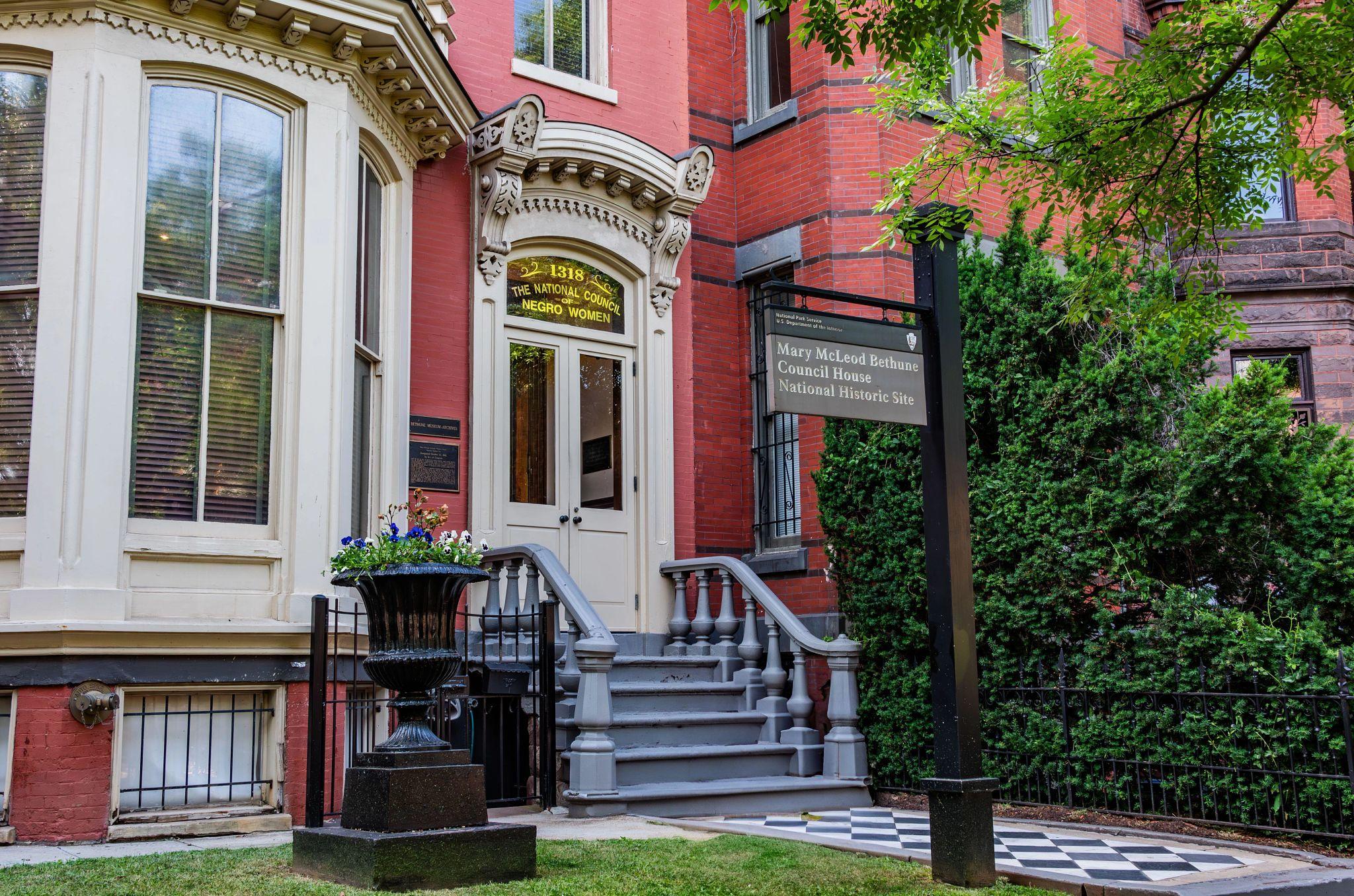
This historic townhouse was the home of civil rights leader Mary McLeod Bethune and the first national headquarters of the National Council of Negro Women. It became an important place where Black women organized to fight discrimination and improve education, employment, and voting opportunities.

Read & listen to the story →
mary-mcleod-bethune-council-house
U Street — The 1968 Civil Rights Uprising and the Fight for Racial Equality in Washington, DC
Civil Rights Uprising & Racial Equality

U Street — The 1968 Civil Rights Uprising and the Fight for Racial Equality in Washington, DC

District of Columbia

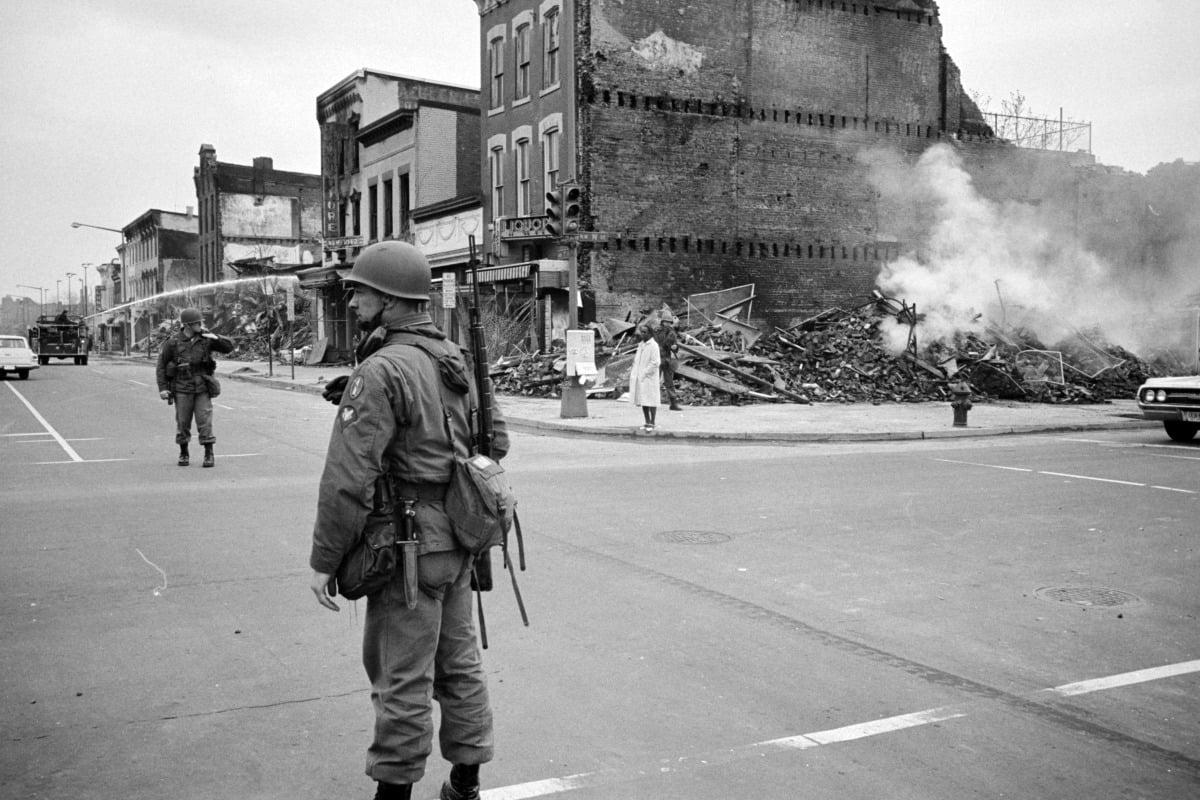
The intersection of 14th and U Streets NW became an important site of civil unrest after the assassination of Martin Luther King Jr. in April 1968. The events reflected anger over racism and unequal treatment and led to years of rebuilding in one of Washington's most important African American neighborhoods.

Read & listen to the story →
u-street-1968-civil-rights-uprising
Cedar Hill: Frederick Douglass House — African American Property Rights, Women's Equality, and the Fight Against Racial Discrimination in Washington, DC
African American Civil Rights & Women's Equality

Cedar Hill: Frederick Douglass House — African American Property Rights, Women's Equality, and the Fight Against Racial Discrimination in Washington, DC

District of Columbia

Cedar Hill was the home of Frederick Douglass, a formerly enslaved man who became a leading advocate for African American civil rights and women's voting rights. He lived here during his later years, continuing his work for equal rights while many Black Americans faced growing discrimination.

Read & listen to the story →
cedar-hill-frederick-douglass-house
U.S. Capitol — Passage of the Civil Rights Act of 1964 and the Fight Against Racial Segregation in Washington, DC
Civil Rights Legislation & Racial Equality

U.S. Capitol — Passage of the Civil Rights Act of 1964 and the Fight Against Racial Segregation in Washington, DC

District of Columbia

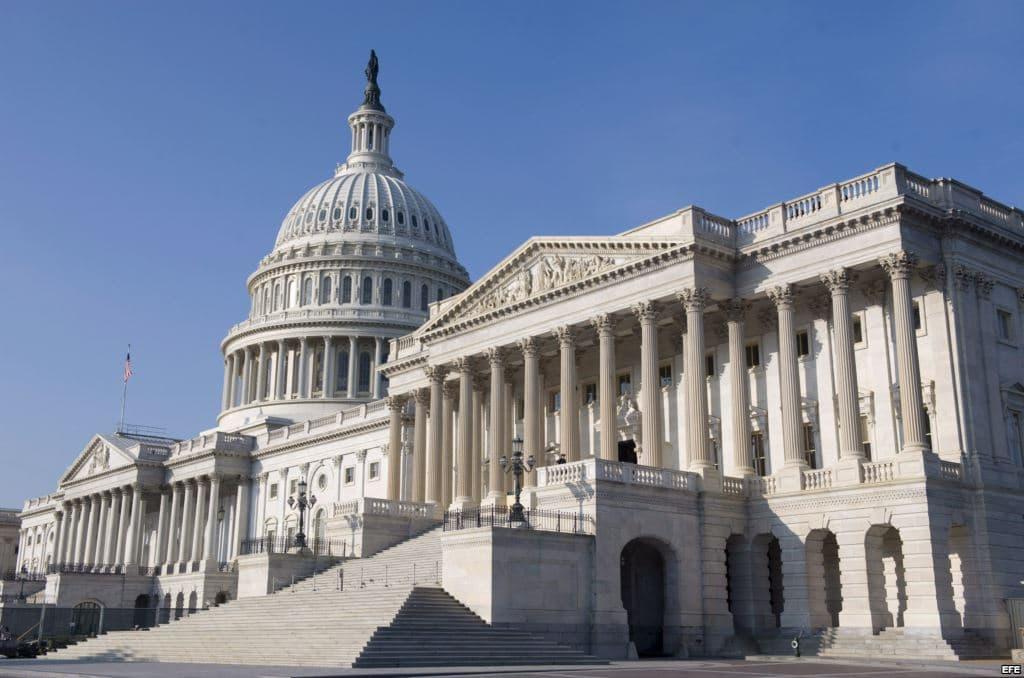
The U.S. Capitol is the historic building where Congress passed the Civil Rights Act of 1964, a major law that challenged racial segregation and discrimination. The law helped protect equal treatment in public places, schools, and employment across the United States.

Read & listen to the story →
us-capitol-civil-rights-act-1964
Spirit of Freedom Statue — Honoring African American Civil War Soldiers and the Fight to End Slavery in Washington, DC
African American Civil War History & Emancipation

Spirit of Freedom Statue — Honoring African American Civil War Soldiers and the Fight to End Slavery in Washington, DC

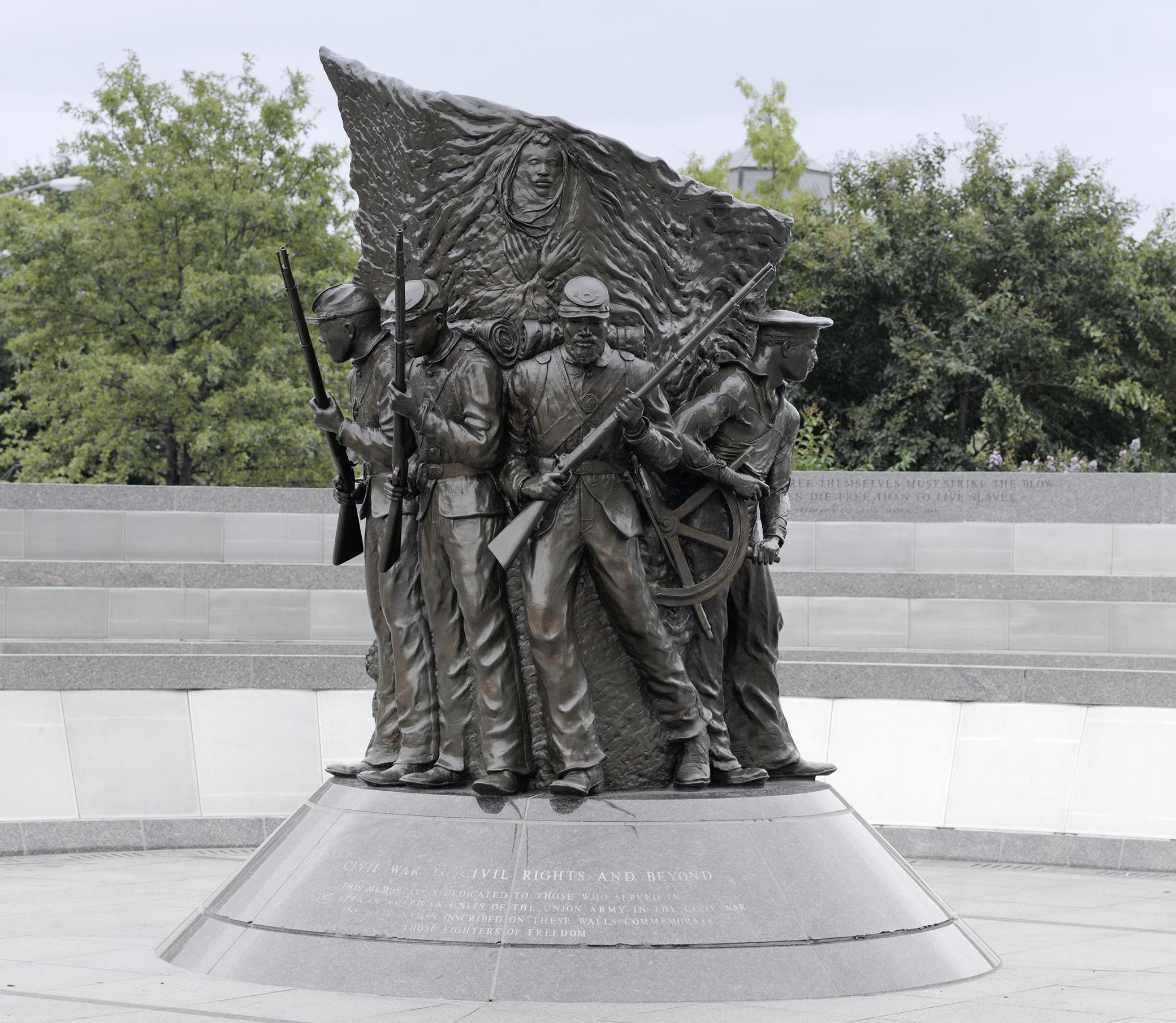
The Spirit of Freedom Statue honors African American soldiers and sailors who fought for the Union during the Civil War and helped end slavery. Dedicated in 1998, the memorial recognizes their important role in the fight for freedom and equal rights.

Read & listen to the story →
spirit-of-freedom-statue
The Lincoln Theatre — African American Cultural Equality and the Fight Against Segregation in Washington, DC
African American Cultural History & Civil Rights

The Lincoln Theatre — African American Cultural Equality and the Fight Against Segregation in Washington, DC

District of Columbia

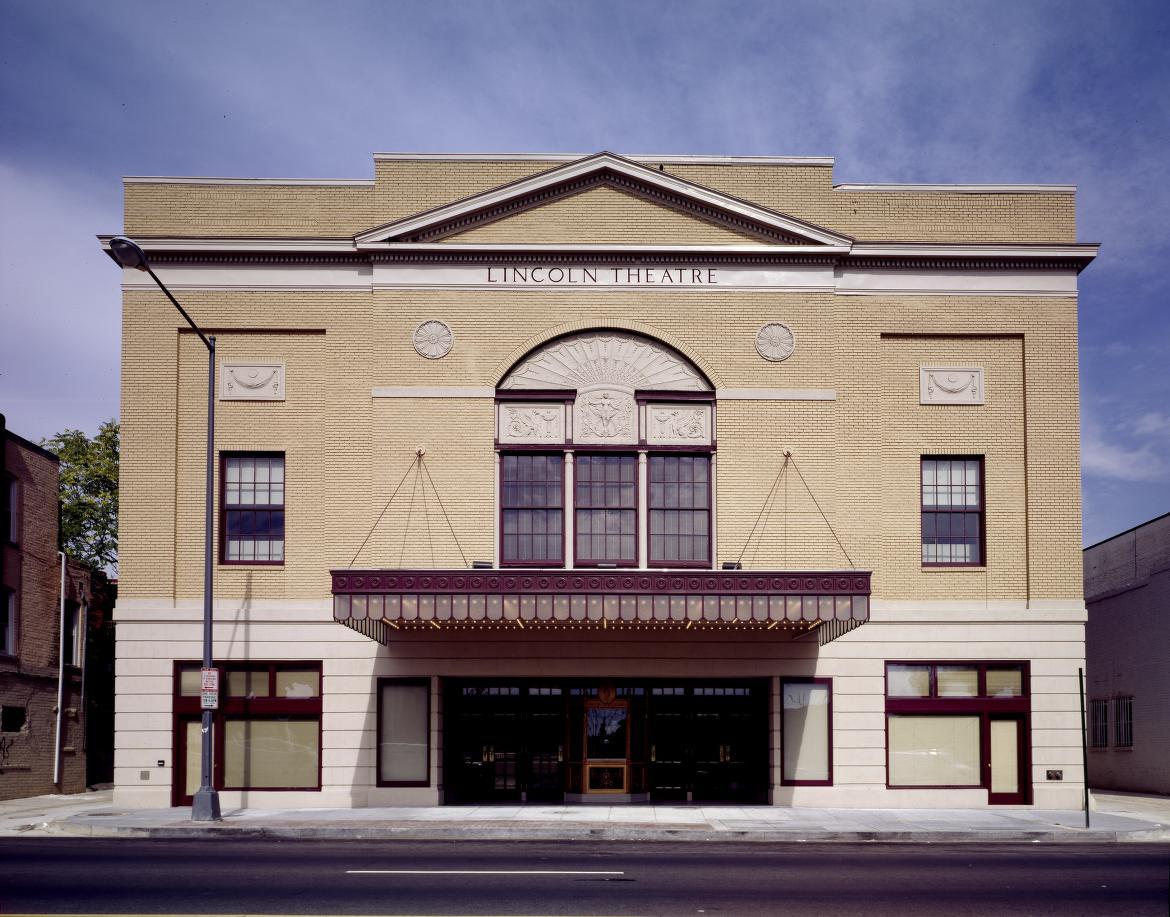
The Lincoln Theatre is a historic performance venue that provided entertainment and cultural opportunities for African Americans during racial segregation. Opened in 1922, it became an important part of Washington's Black Broadway and helped celebrate Black music, artists, and community life.

Read & listen to the story →
lincoln-theatre
Charles Sumner School — African American Educational Equality and the Fight Against Segregated Schools in Washington, DC
African American Education & Civil Rights

Charles Sumner School — African American Educational Equality and the Fight Against Segregated Schools in Washington, DC

District of Columbia

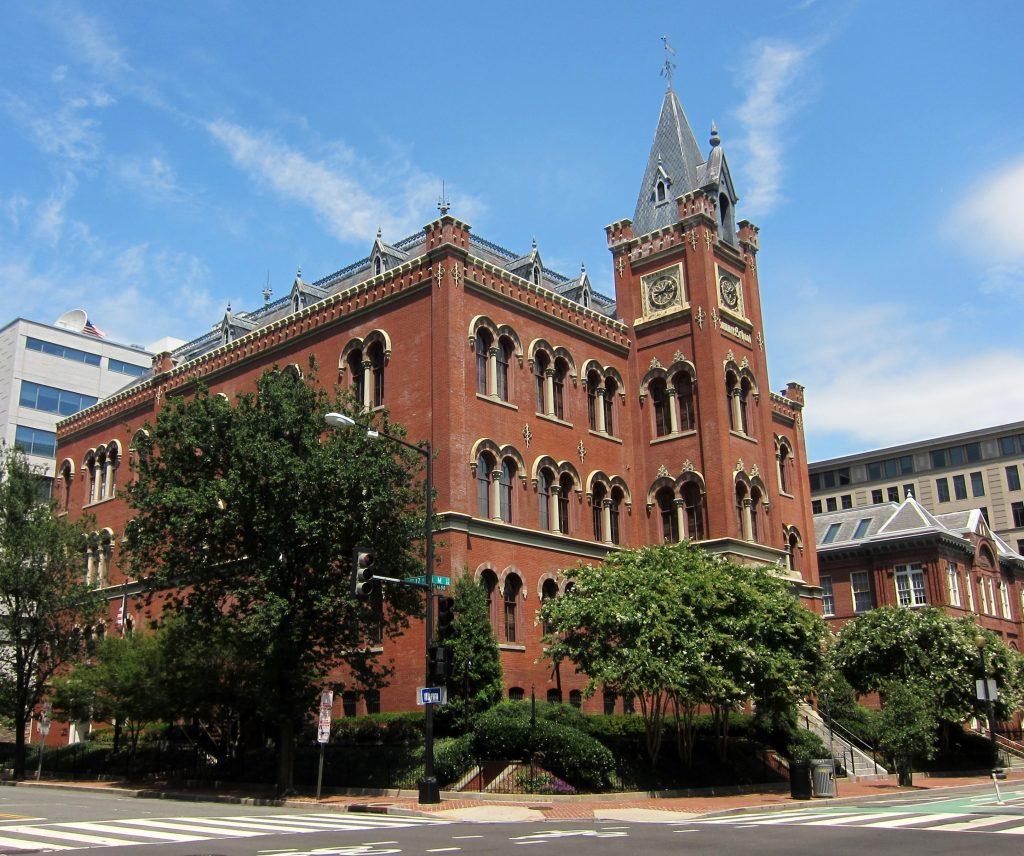
The Charles Sumner School is one of Washington's oldest surviving public school buildings built for African American students after the Civil War. Opened in 1872, it helped expand educational opportunities for Black children and became an important part of the fight for equal education.

Read & listen to the story →
charles-sumner-school
Black Lives Matter Plaza — The 2020 Racial Justice Protests and the Fight Against Police Brutality in Washington, DC
Racial Justice & Civil Rights

Black Lives Matter Plaza — The 2020 Racial Justice Protests and the Fight Against Police Brutality in Washington, DC

District of Columbia

Black Lives Matter Plaza was a historic protest site near the White House where a large yellow street mural supported the fight against racism and police brutality. Created during the 2020 racial justice protests, the mural was removed in March 2025, but the location remains important to the history of the civil rights movement.

Read & listen to the story →
black-lives-matter-plaza
The True Reformer Building — African American Economic Independence and the Fight Against Racial Discrimination in Washington, DC
African American Economic Independence & Civil Rights

The True Reformer Building — African American Economic Independence and the Fight Against Racial Discrimination in Washington, DC

District of Columbia

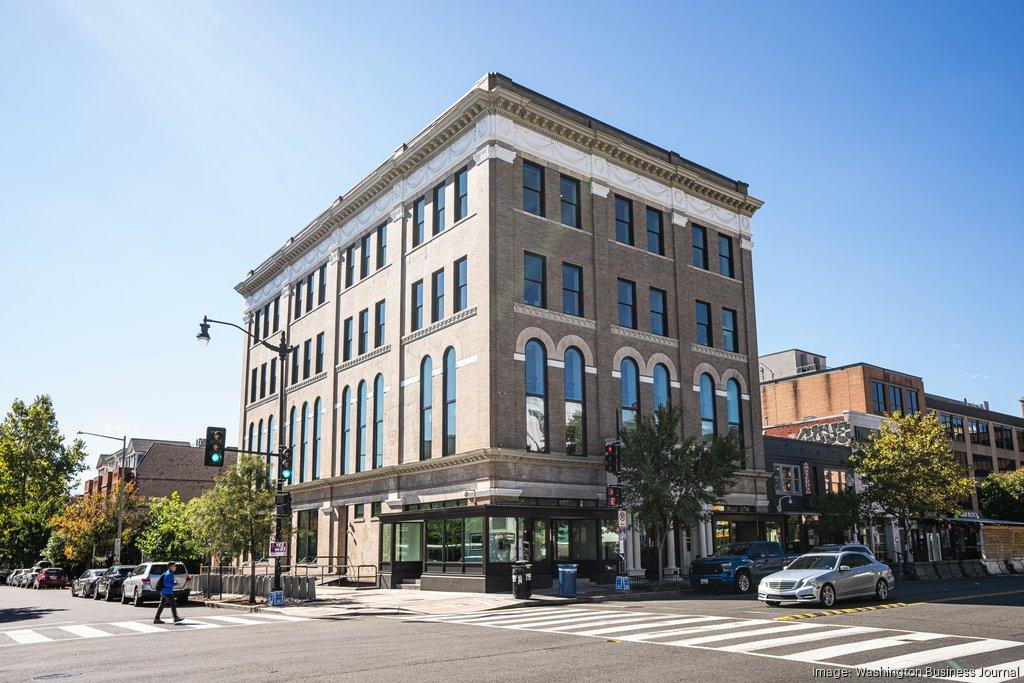
The True Reformer Building is a historic building that became an important center for African American businesses and community organizations during segregation. Completed in 1903, it showed how Black Americans could build successful institutions despite racial discrimination.

Read & listen to the story →
true-reformer-building
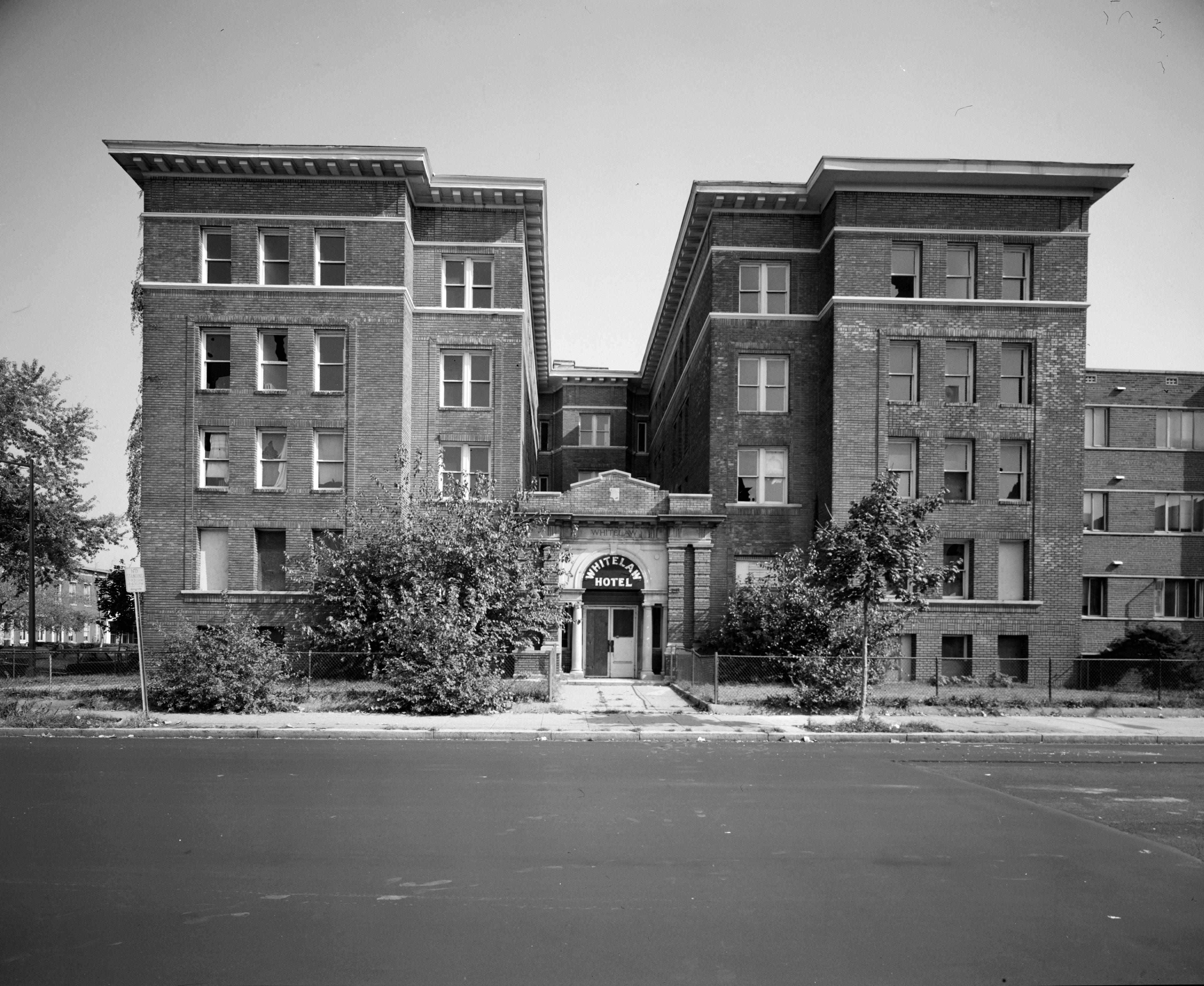
Whitelaw Hotel — African American Housing Equality and the Fight Against Segregation in Washington, DC
African American Housing & Civil Rights

Whitelaw Hotel — African American Housing Equality and the Fight Against Segregation in Washington, DC

District of Columbia

The Whitelaw Hotel was one of Washington's first high-quality hotels built by and for African Americans during racial segregation. It provided Black travelers with a welcoming place to stay when many other hotels refused to serve them.

Read & listen to the story →
whitelaw-hotel
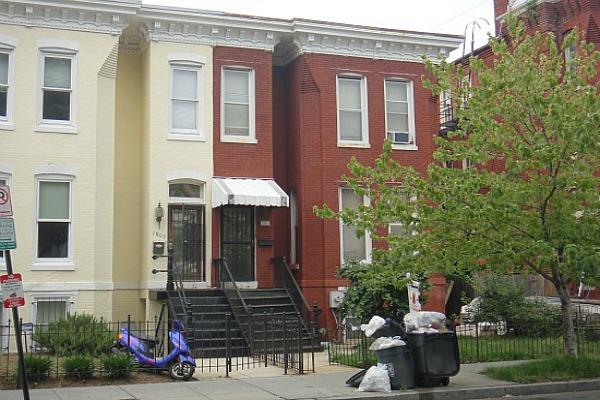
Duke Ellington Residence — African American Cultural Equality and the Fight Against Racial Segregation in Washington, DC
African American Music & Cultural History

Duke Ellington Residence — African American Cultural Equality and the Fight Against Racial Segregation in Washington, DC

District of Columbia

This historic rowhouse was the childhood home of Duke Ellington, one of America's most important jazz musicians. His career helped bring greater recognition to African American music and culture during a time of racial segregation.

Read & listen to the story →
duke-ellington-residence
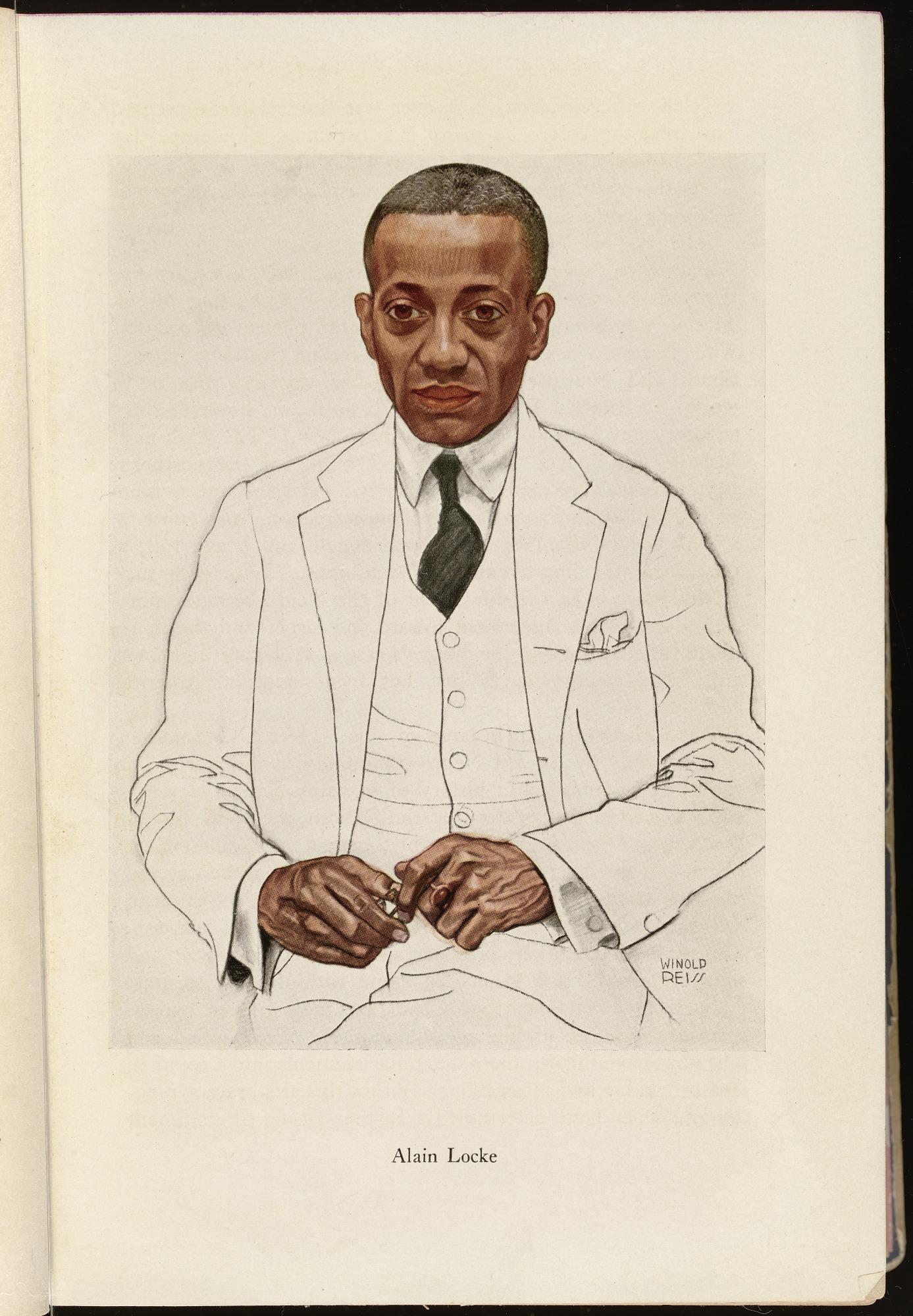
Alain Locke Residence — African American Cultural Equality and the Harlem Renaissance
African American Cultural History & Civil Rights

Alain Locke Residence — African American Cultural Equality and the Harlem Renaissance

District of Columbia

This historic house was the home of Alain Locke, an important Black educator and writer who helped shape the Harlem Renaissance. His work encouraged Americans to respect Black culture, art, and equal opportunity.

Read & listen to the story →
alain-locke-residence
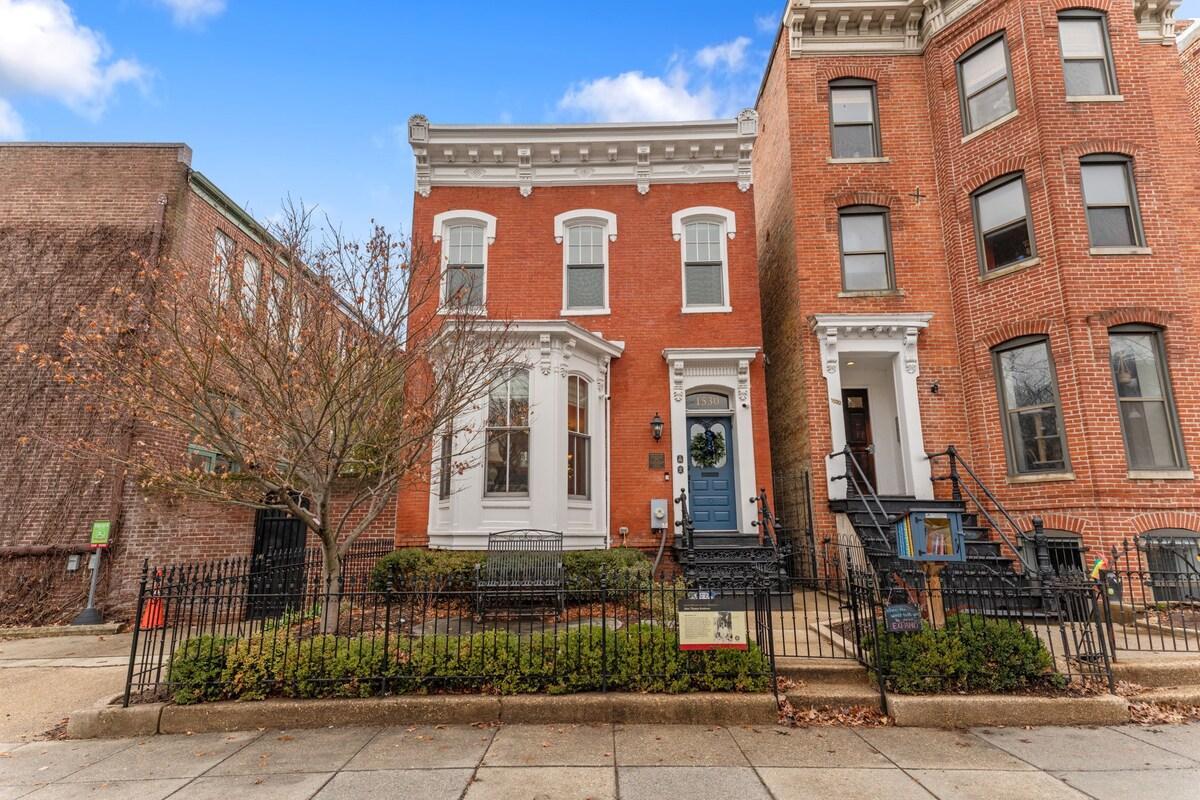
Alma Thomas Residence
African American Art & Education

Alma Thomas Residence

District of Columbia

The Alma Thomas Residence at 1530 15th Street NW in Washington, DC, was the longtime home and studio of pioneering African American artist and educator Alma Thomas. She became Howard University's first fine arts graduate and developed colorful abstract paintings that earned national recognition.

Read & listen to the story →
alma-thomas-residence
A. Philip Randolph Statue at Union Station and the 1941 March on Washington Movement
Labor & Civil Rights

A. Philip Randolph Statue at Union Station and the 1941 March on Washington Movement

District of Columbia

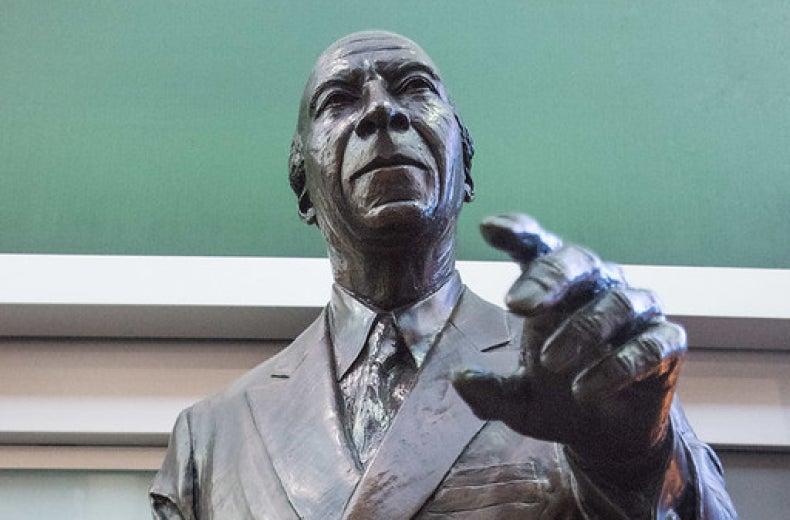
Union Station has a bronze statue of A. Philip Randolph, who planned a huge march on Washington in 1941 to fight job discrimination. The threat of that march led President Roosevelt to ban discrimination in defense jobs. Copy Text

Read & listen to the story →
a-philip-randolph-statue-union-station
The First Gay Rights Picket at the White House (April 17, 1965)
LGBTQ+ Rights

The First Gay Rights Picket at the White House (April 17, 1965)

District of Columbia

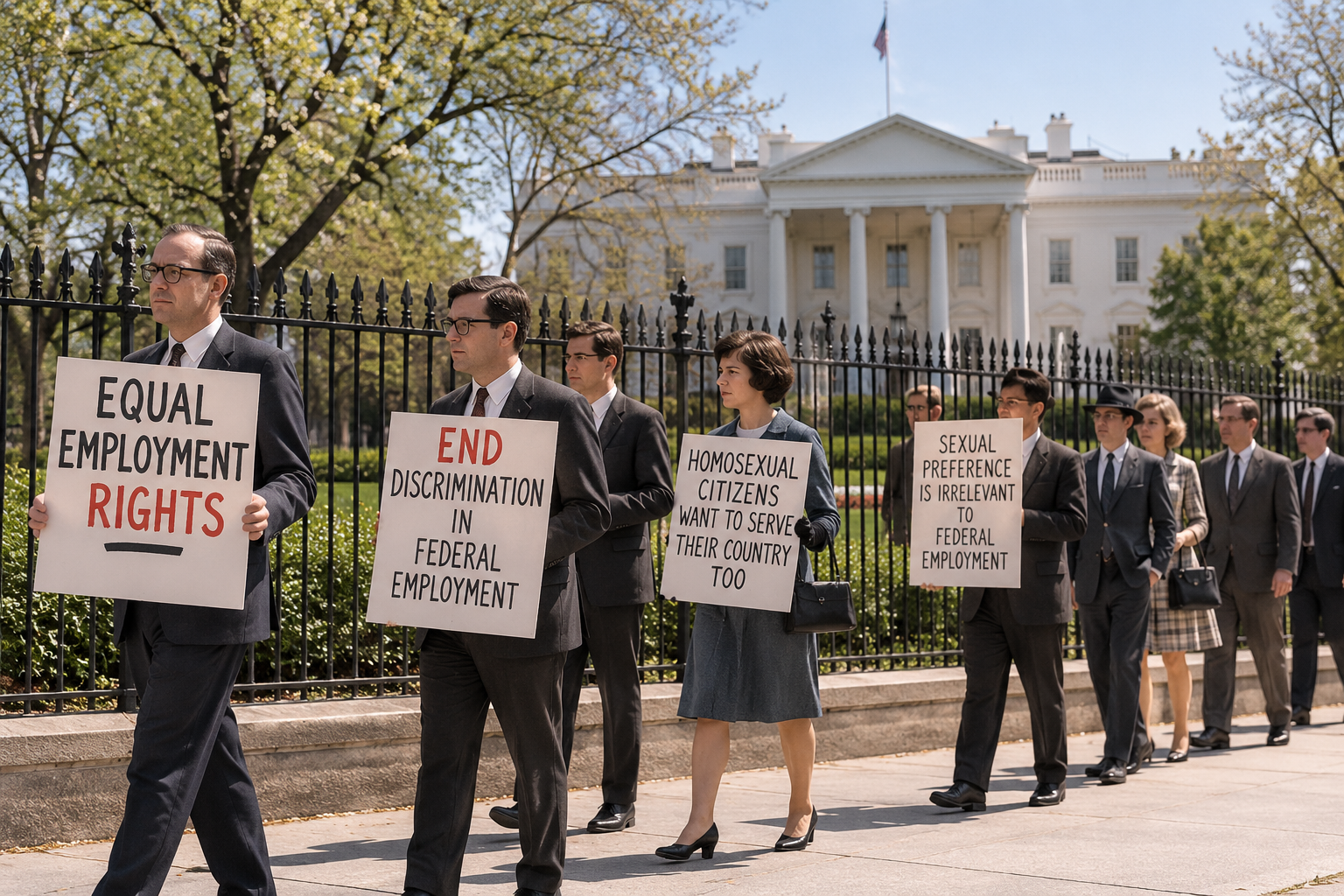
On April 17, 1965, a small group led by Frank Kameny walked a picket line in front of the White House to protest the federal government's discrimination against gay employees. It is widely considered the first organized gay rights picket at the White House. Copy Text

Read & listen to the story →
first-gay-rights-picket-white-house-1965
Martin Luther King Jr. Memorial
Civil Rights Movement

Martin Luther King Jr. Memorial

District of Columbia

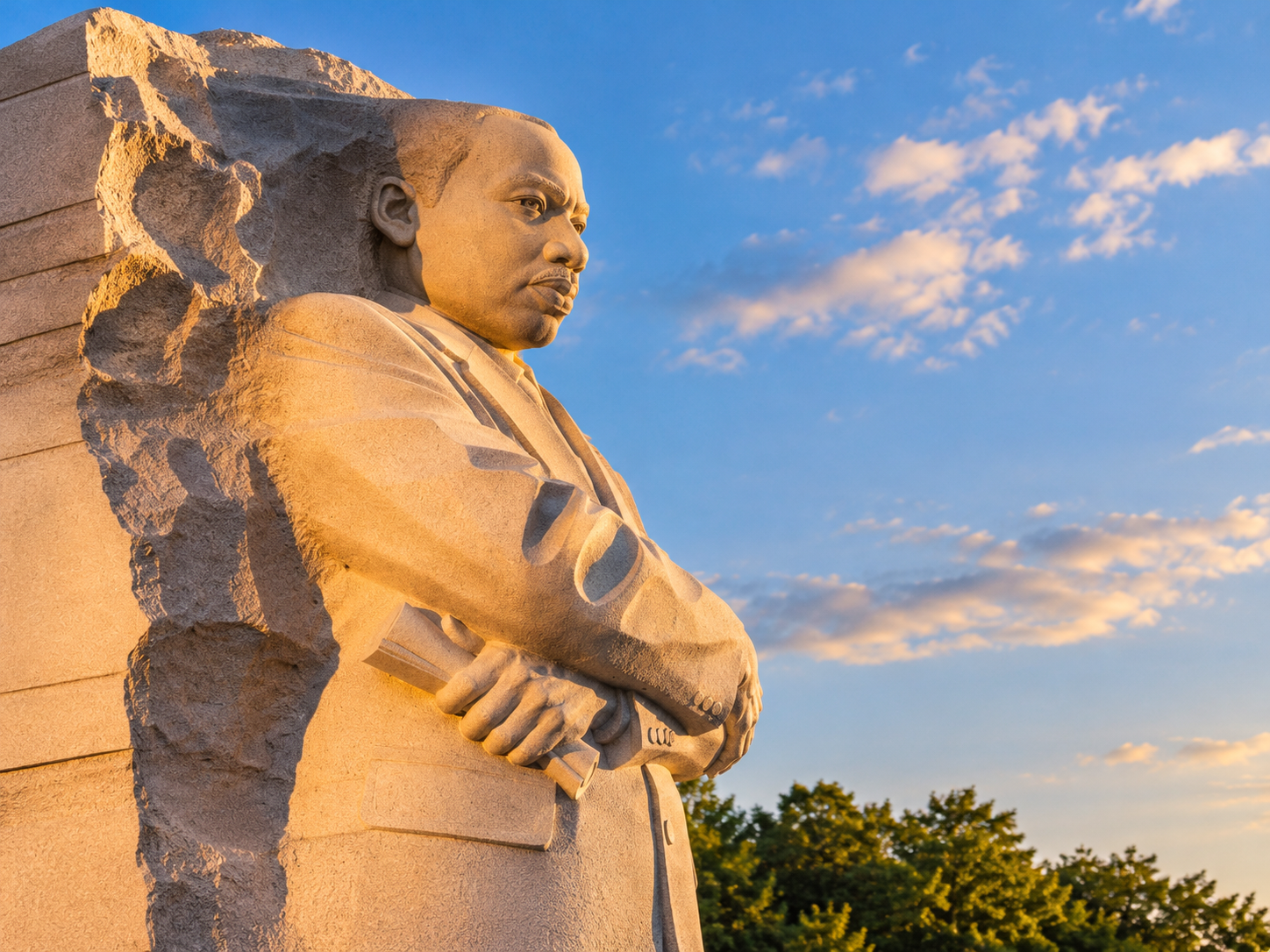
The Martin Luther King Jr. Memorial in Washington, DC honors the life and legacy of Dr. Martin Luther King Jr. and his contributions to the American civil rights movement.

Read & listen to the story →
martin-luther-king-jr-memorial
The 1975 Menominee Warrior Society Occupation of the Alexian Brothers Novitiate (Gresham, Wisconsin)
Native American rights

The 1975 Menominee Warrior Society Occupation of the Alexian Brothers Novitiate (Gresham, Wisconsin)

Wisconsin

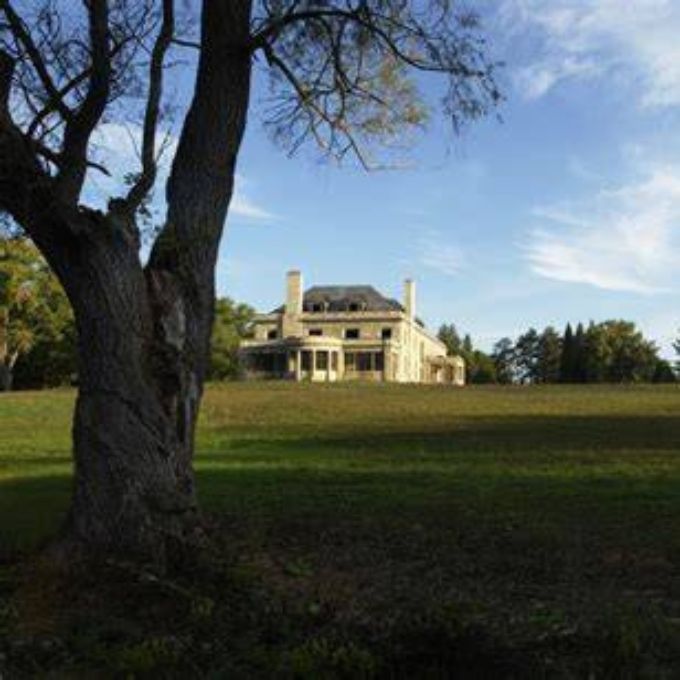
On New Year's Day 1975, the Menominee Warrior Society occupied the former Alexian Brothers' Novitiate near Gresham, Wisconsin, demanding that the property be returned to the Menominee people during the difficult period following federal termination and tribal restoration.

Read & listen to the story →
stella-k-wisconsin
the-1975-menominee-warrior-society-occupation-of-the-alexian-brothers-novitiate
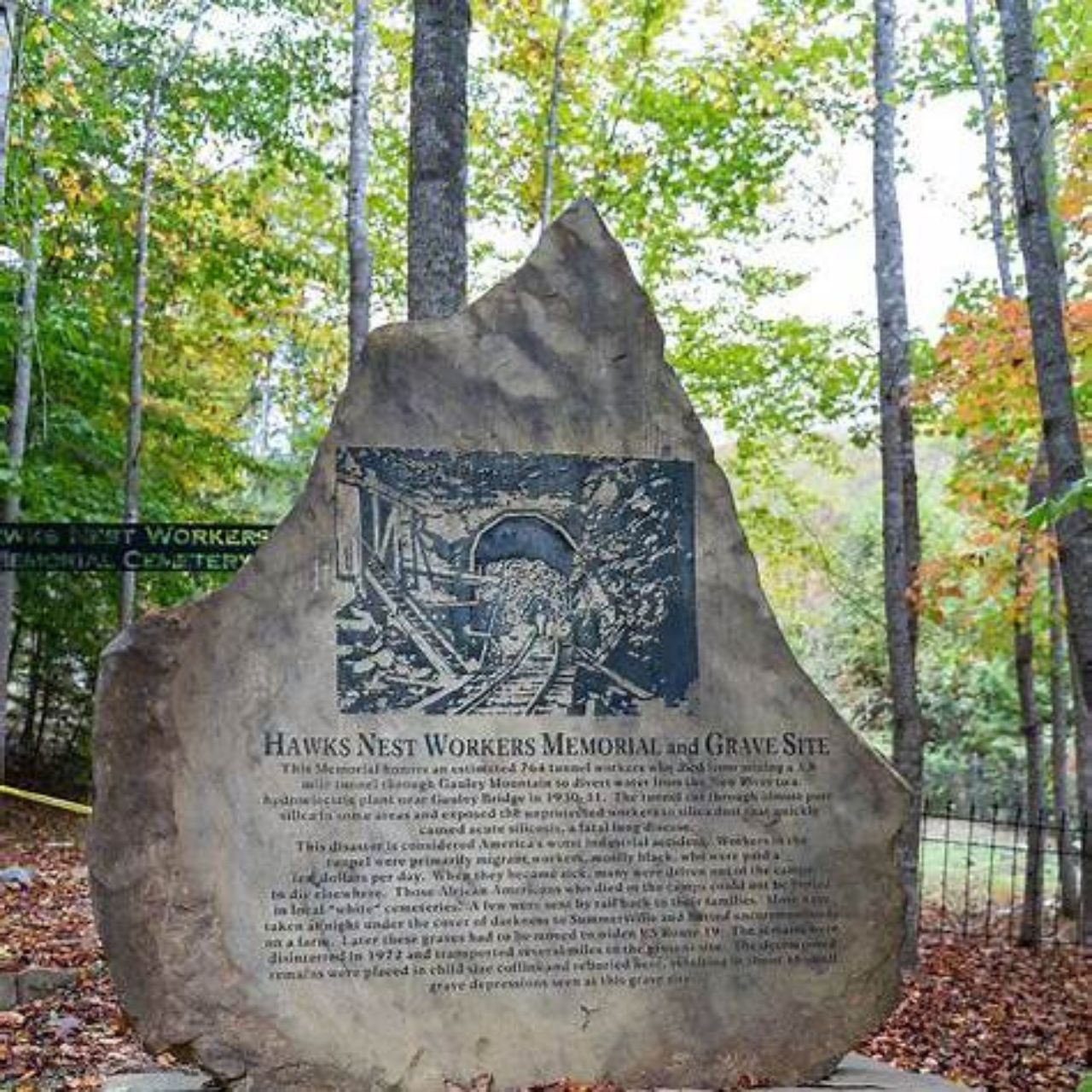
Hawks Nest Workers Memorial and Grave Site (Hawks Nest Tunnel Disaster)
Workers' rights

Hawks Nest Workers Memorial and Grave Site (Hawks Nest Tunnel Disaster)

West Virginia

This small hillside cemetery holds the graves of Black migrant workers who died building the Hawks Nest Tunnel in 1930–31, in what one landmark study titled "America's Worst Industrial Disaster."

Read & listen to the story →
leon-t-west-virginia
hawks-nest-workers-memorial-and-grave-site
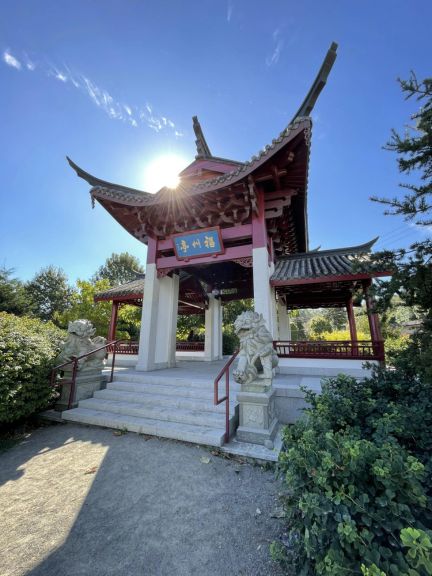
The "Tacoma Method" — the 1885 Expulsion of Tacoma's Chinese Community (Tacoma Chinese Reconciliation Park)
Immigrant rights

The "Tacoma Method" — the 1885 Expulsion of Tacoma's Chinese Community (Tacoma Chinese Reconciliation Park)

Washington

In 1885, a mob led by Tacoma's own mayor forced the city's entire Chinese community out of town in an event so infamous it became known as the "Tacoma Method." Today the waterfront Chinese Reconciliation Park sits near the site to remember what happened and to apologize for it.

Read & listen to the story →
sasha-g-washington
the-tacoma-method-1885-expulsion-of-tacomas-chinese-community
Vermont Equality for Same-Sex Couples Marker at the Vermont State House
LGBTQ+ rights

Vermont Equality for Same-Sex Couples Marker at the Vermont State House

Vermont

This is where Vermont became the first U.S. state to give same-sex couples legal recognition, first through civil unions in 2000 and then marriage in 2009. A green-and-gold state historic marker on the State House lawn tells the story.

Read & listen to the story →
hazel-b-vermont
vermont-equality-for-same-sex-couples-marker-at-the-vermont-state-house
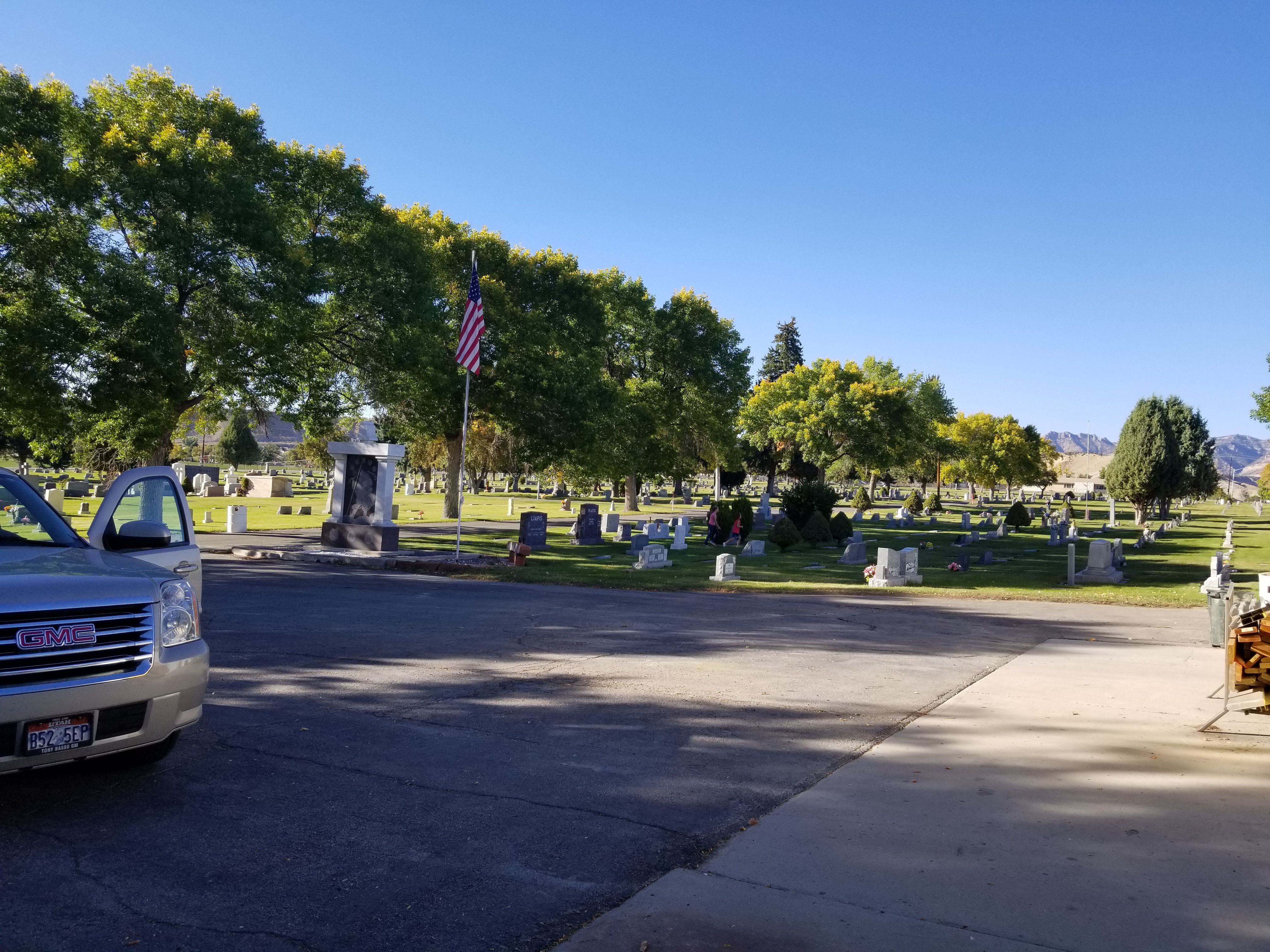
The Grave of Robert Marshall — Marker for the Last Documented Lynching in the American West
Racial violence & lynching

The Grave of Robert Marshall — Marker for the Last Documented Lynching in the American West

Utah

Robert Marshall, a Black coal miner, was lynched by a mob near Price, Utah, in 1925 in what is often called the last lynching in the American West.

Read & listen to the story →
nathaniel-l-utah
the-grave-of-robert-marshall-marker-for-the-last-documented-lynching-in-the-american-west
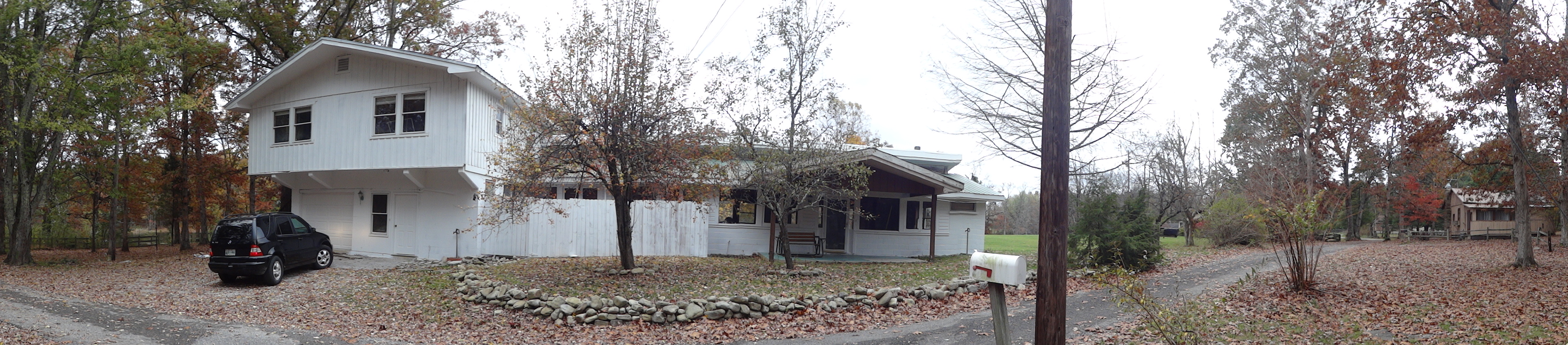
Highlander Folk School
Civil rights education & organizing

Highlander Folk School

Tennessee

The Highlander Folk School near Monteagle, Tennessee, trained many of the people who led the civil rights movement, including Rosa Parks.

Read & listen to the story →
jamaryen-j-tennessee
highlander-folk-school-highlander-folk-school-library-building
Wounded Knee Occupation of 1973
Indigenous rights

Wounded Knee Occupation of 1973

South Dakota

This is the place where, in 1973, American Indian Movement activists and Oglala Lakota traditionalists took over the tiny town of Wounded Knee for 71 days to protest the treatment of Native Americans.

Read & listen to the story →
shan-south-dakota
wounded-knee-occupation-of-1973
The Orangeburg Massacre — South Carolina State University
First Amendment rights

The Orangeburg Massacre — South Carolina State University

South Carolina

On February 8, 1968, state police shot into a crowd of unarmed Black student protesters at South Carolina State College, killing three young men and wounding 28. It was the first deadly campus shooting of student protesters in U.S. history, and the campus now holds several memorials to the victims.

Read & listen to the story →
lilli-r-south-carolina
the-orangeburg-massacre-south-carolina-state-university
The Old State House and the Dorr Rebellion
Voting rights

The Old State House and the Dorr Rebellion

Rhode Island

In the 1840s Rhode Island still let only landowning men vote, so Thomas Wilson Dorr and thousands of shut-out residents wrote their own constitution and set up a rival government.

Read & listen to the story →
julian-b-rhode-island
the-old-state-house-and-the-dorr-rebellion-rhode-islands-fight-to-expand-the-vote
Pennhurst State School and Hospital — Birthplace of the Disability Rights Movement
Disability rights

Pennhurst State School and Hospital — Birthplace of the Disability Rights Movement

Pennsylvania

Pennhurst was a Pennsylvania state institution where thousands of people with disabilities were locked away and mistreated.

Read & listen to the story →
gina-p-pennsylvania
pennhurst-state-school-and-hospital-birthplace-of-the-disability-rights-movement
1887 Massacre of Chinese Gold Miners
Anti-Asian violence and immigrant rights

1887 Massacre of Chinese Gold Miners

Oregon

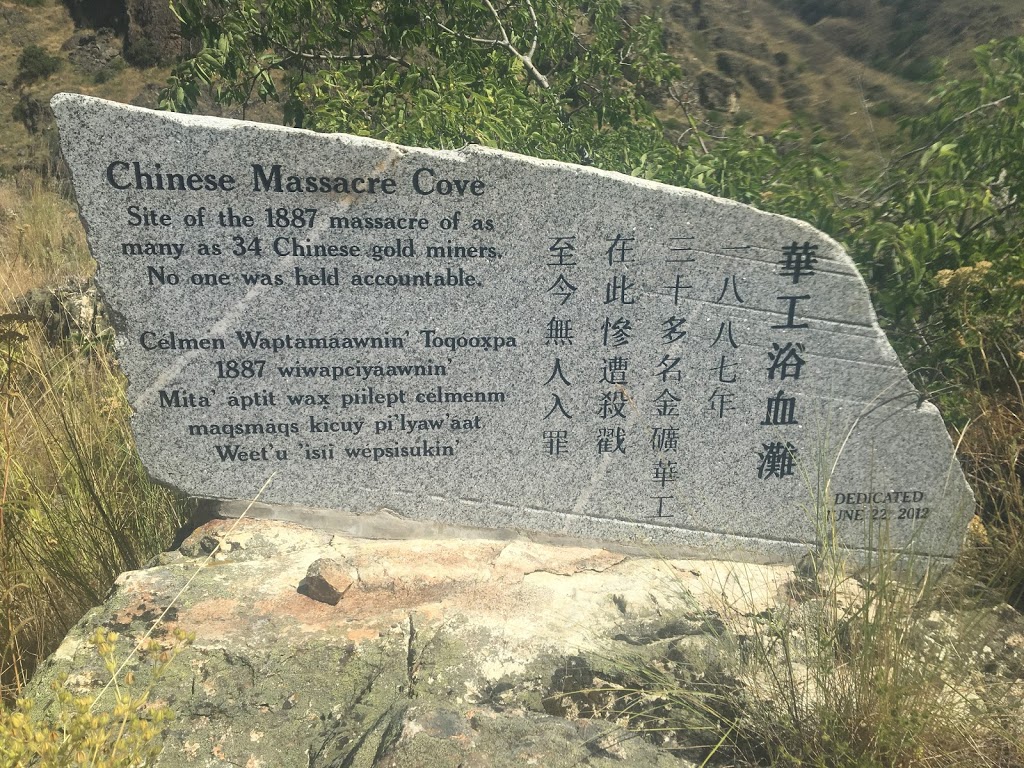
This quiet cove on the Snake River is where a gang of white horse thieves murdered as many as 34 Chinese gold miners in 1887.

Read & listen to the story →
deshona-w-oregon
chinese-massacre-cove-hells-canyon-site-of-the-1887-massacre-of-chinese-gold-miners
Oklahoma's "Crown Jewel" All-Black Town
Black self-government & voting rights

Oklahoma's "Crown Jewel" All-Black Town

Oklahoma

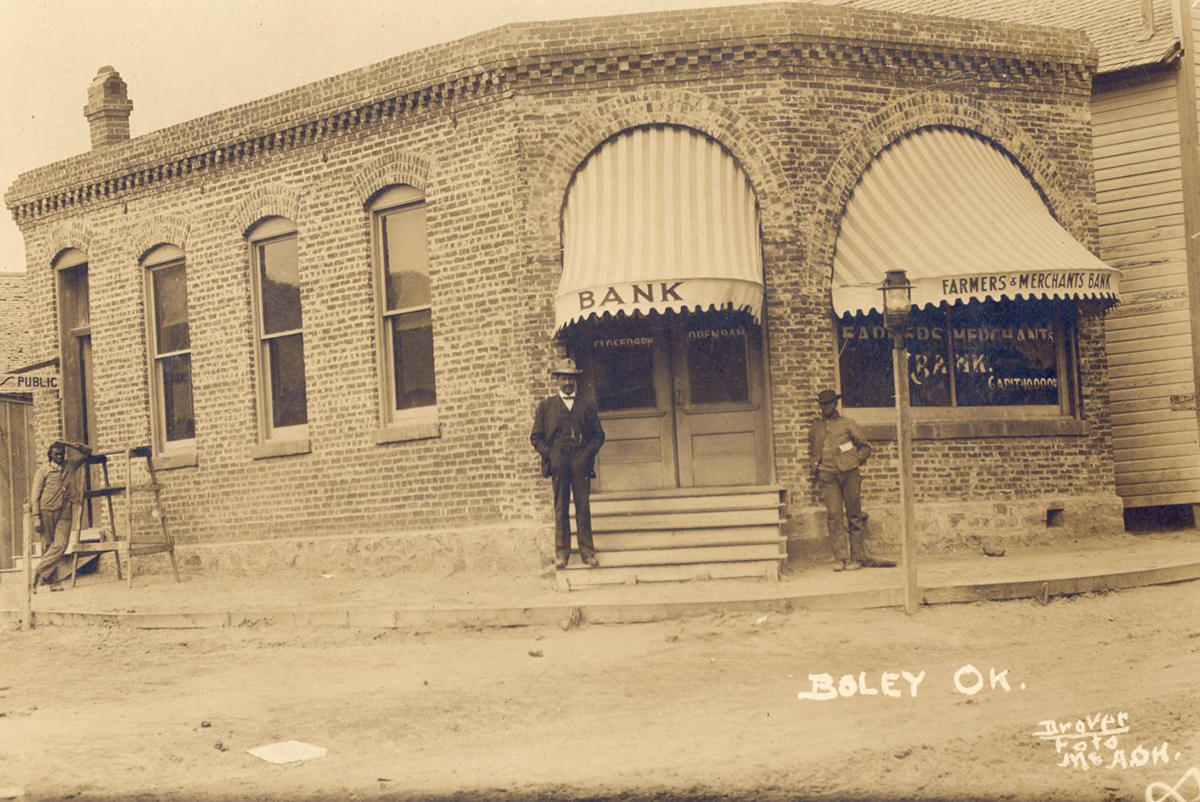
Boley is the largest and best-known of the more than fifty all-Black towns founded in Oklahoma, where Black settlers and Creek freedmen built and governed their own community during the Jim Crow era. Its downtown business district is a National Historic Landmark.

Read & listen to the story →
isabelle-m-oklahoma
boley-historic-district-oklahomas-crown-jewel-all-black-town
The Flooding of Fort Berthold
Indigenous land & water rights

The Flooding of Fort Berthold

North Dakota

In the 1950s a federal dam flooded the best land on the Fort Berthold Reservation and forced most of the Mandan, Hidatsa, and Arikara people out of their homes.

Read & listen to the story →
addyson-r-north-dakota
the-flooding-of-fort-berthold-the-garrison-dam-and-the-taking-of-the-mandan-hidatsa-arikara-homeland
The 1967 Tierra Amarilla Courthouse Raid
Chicano civil rights

The 1967 Tierra Amarilla Courthouse Raid

New Mexico

In 1967, armed activists raided this small-town New Mexico courthouse to fight for land they said was stolen from Hispano families.

Read & listen to the story →
lloyd-d-new-mexico
the-1967-tierra-amarilla-courthouse-raid
Ruby Duncan and the 1971 Welfare Rights March
Welfare rights & economic justice

Ruby Duncan and the 1971 Welfare Rights March

Nevada

On March 6, 1971, welfare mother Ruby Duncan led a march of poor mothers and children down the Las Vegas Strip and into Caesars Palace, shutting down the casino's gaming floor for hours to protest Nevada's welfare cuts.

Read & listen to the story →
analeiyah-r-nevada
storming-caesars-palace-ruby-duncan-and-the-1971-welfare-rights-march
Meyer v. Nebraska and the Zion Lutheran Schoolhouse
Language rights & religious freedom

Meyer v. Nebraska and the Zion Lutheran Schoolhouse

Nebraska

In 1920 a teacher near Hampton, Nebraska, was arrested for teaching a Bible lesson in German.

Read & listen to the story →
ben-a-nebraska
meyer-v-nebraska-and-the-zion-lutheran-schoolhouse-hampton-nebraska
Montana State Capitol — Where the Nation's Harshest Sedition Law Was Passed
Free speech

Montana State Capitol — Where the Nation's Harshest Sedition Law Was Passed

Montana

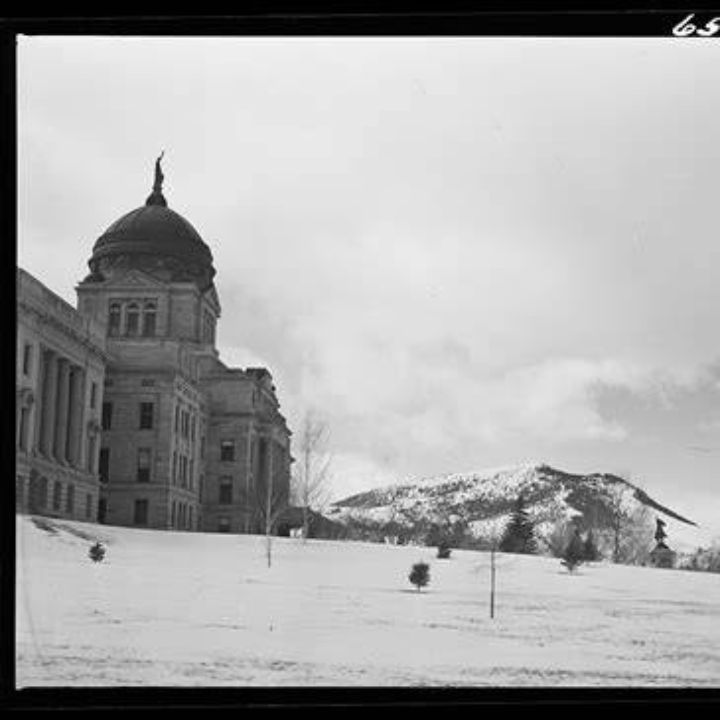
This is the Montana State Capitol in Helena, where lawmakers passed the country's harshest World War I sedition law in 1918.

Read & listen to the story →
olivia-a-montana
montana-state-capitol-where-the-nations-harshest-sedition-law-was-passed-and-88-years-later-undone
Homer G. Phillips Hospital
Healthcare segregation

Homer G. Phillips Hospital

Missouri

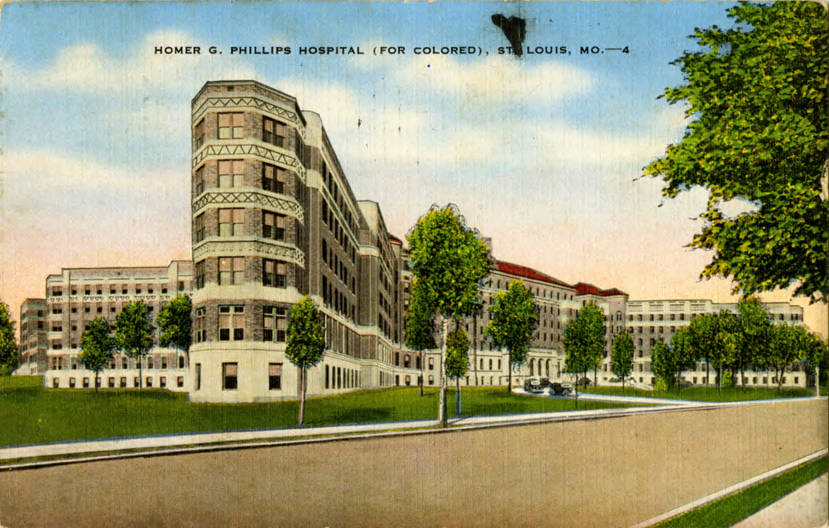
For decades this was the only public hospital where Black St. Louisans could get care, and where Black doctors and nurses could train, during segregation. The huge building still stands in The Ville neighborhood and is now senior apartments.

Read & listen to the story →
serita-w-missouri
homer-g-phillips-hospital
Camp Savage and the Military Intelligence Service Language School
Japanese American incarceration & military service

Camp Savage and the Military Intelligence Service Language School

Minnesota

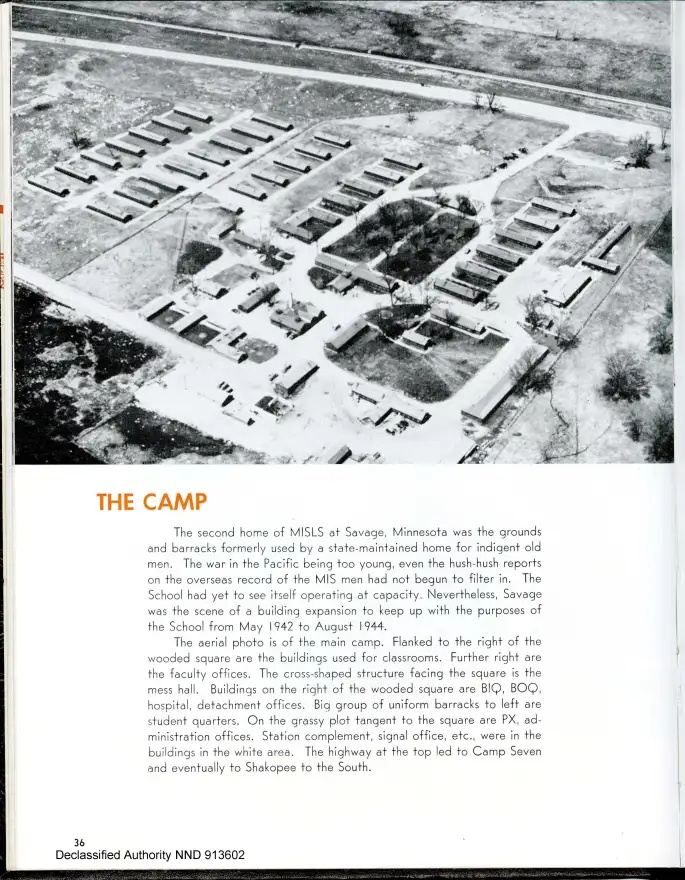
During World War II, the U.S. Army secretly trained thousands of Japanese American soldiers to speak, read, and write Japanese at Camp Savage, Minnesota. Many of them served the country as translators and interrogators while their own families were locked up in incarceration camps.

Read & listen to the story →
mattea-h-minnesota
camp-savage-and-the-military-intelligence-service-language-school-misls
Mount Pleasant Indian Industrial Boarding School
Indigenous rights

Mount Pleasant Indian Industrial Boarding School

Michigan

This is the last standing federal Indian boarding school in Michigan, where Native American children were taken from their families and forced to give up their language and culture.

Read & listen to the story →
kenneth-f-michigan
mount-pleasant-indian-industrial-boarding-school
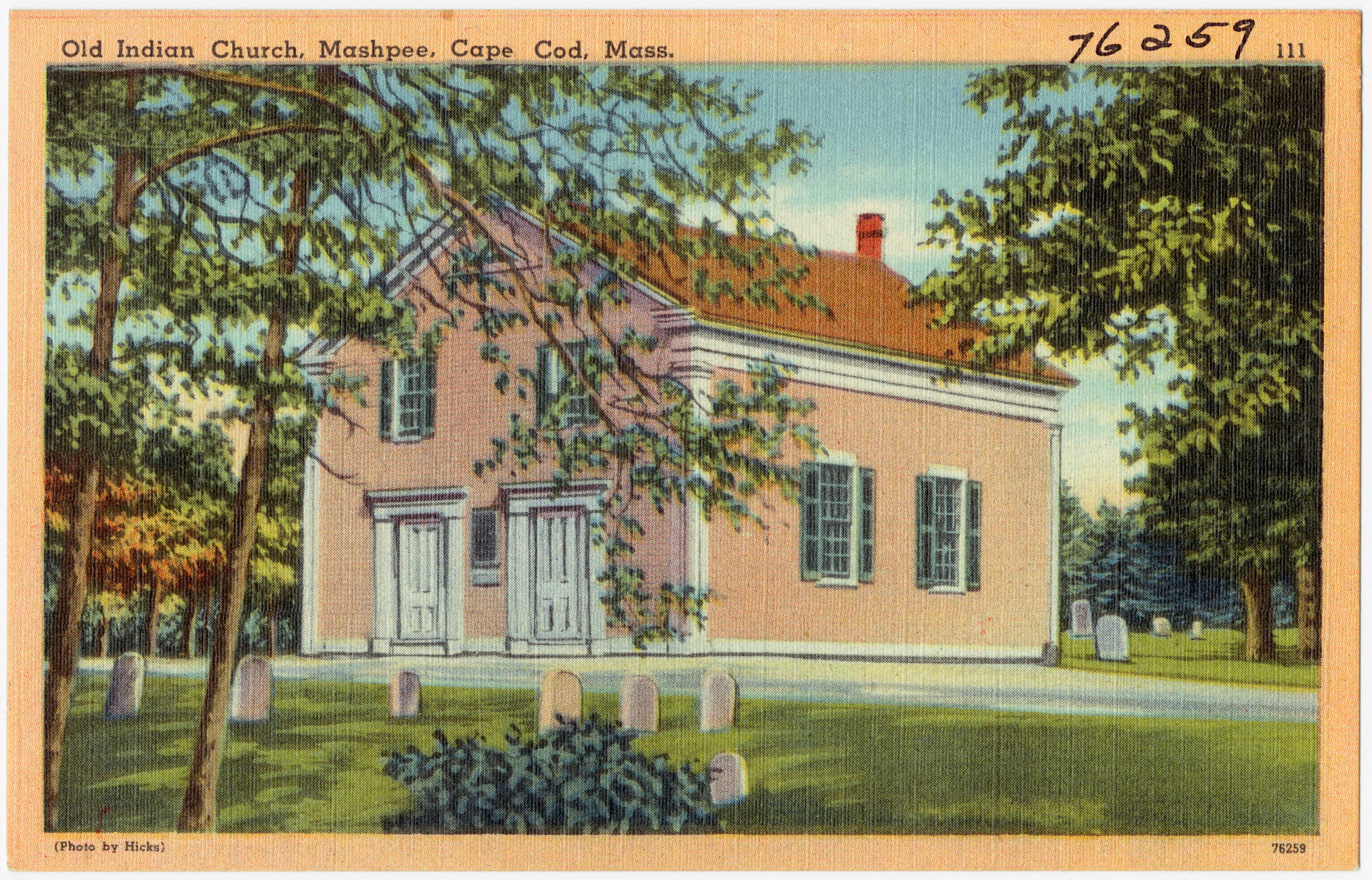
Old Indian Meeting House, Mashpee
Indigenous rights & religious freedom

Old Indian Meeting House, Mashpee

Massachusetts

The center of the 1833 Mashpee Revolt, when the Mashpee Wampanoag demanded the right to govern themselves.

Read & listen to the story →
ziva-t-massachusetts
old-indian-meeting-house-mashpee-indigenous-rights-and-religious-freedom-of-the-mashpee-wampanoag
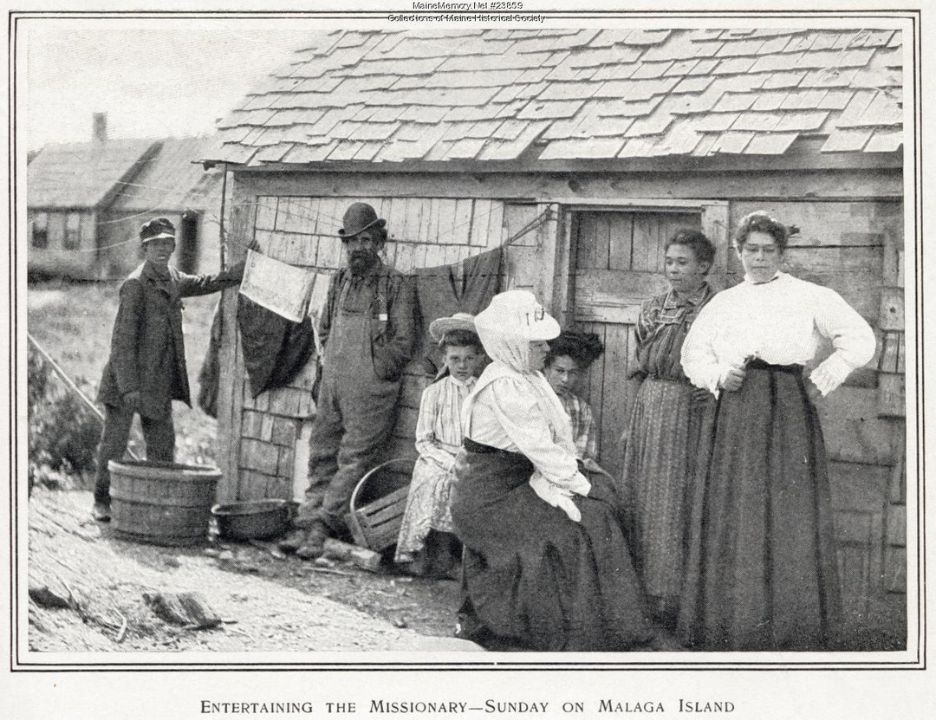
Malaga Island — Maine's 1912 Forced Eviction of a Mixed-Race Island Community
Racial discrimination & forced displacement

Malaga Island — Maine's 1912 Forced Eviction of a Mixed-Race Island Community

Maine

Malaga Island is a small island off Phippsburg, Maine, where a mixed-race fishing community lived until the state forced everyone off the island in 1912. Today it is a public preserve and a place to remember what happened there.

Read & listen to the story →
kayla-r-maine
malaga-island-site-of-maines-1912-forced-eviction-of-a-mixed-race-island-community
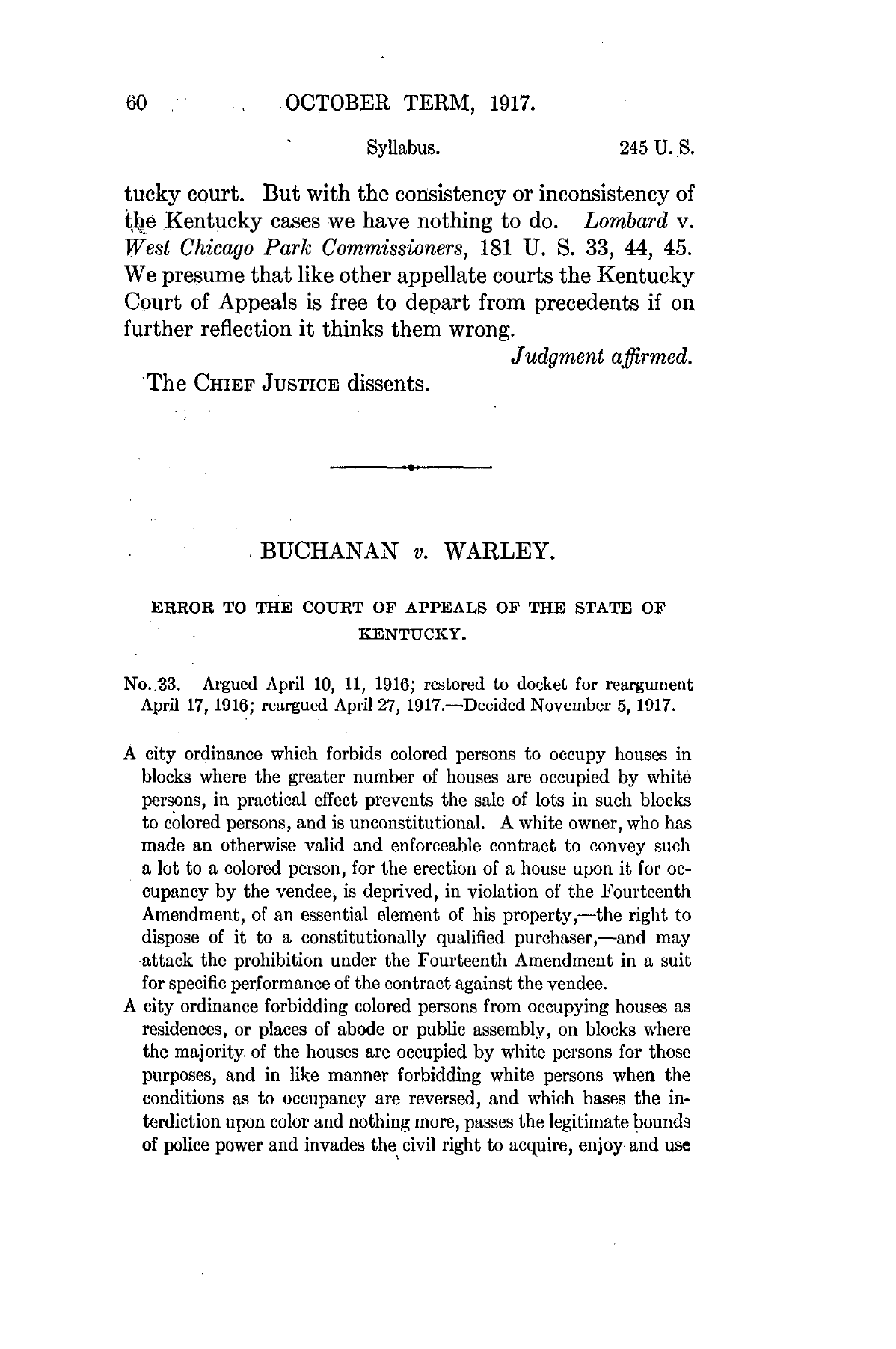
Buchanan v. Warley Marker
Housing discrimination

Buchanan v. Warley Marker

Kentucky

In 1917 the U.S. Supreme Court used a court fight over a lot at 37th Street and Pflanz Avenue in Louisville to strike down a city law that forced Black and white families to live on separate blocks.

Read & listen to the story →
ishimwe-k-kentucky
buchanan-v-warley-marker-where-a-supreme-court-case-struck-down-housing-segregation
Dockum Drug Store Sit-In
Civil rights

Dockum Drug Store Sit-In

Kansas

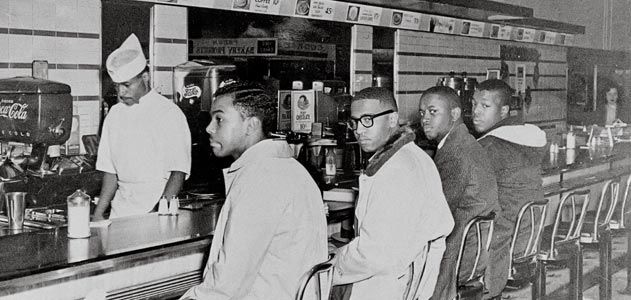
In 1958, a group of Black students in Wichita held one of the country's first successful lunch counter sit-ins at the Dockum Drug Store.

Read & listen to the story →
tara-m-kansas
dockum-drug-store-sit-in-1958-wichita-kansas
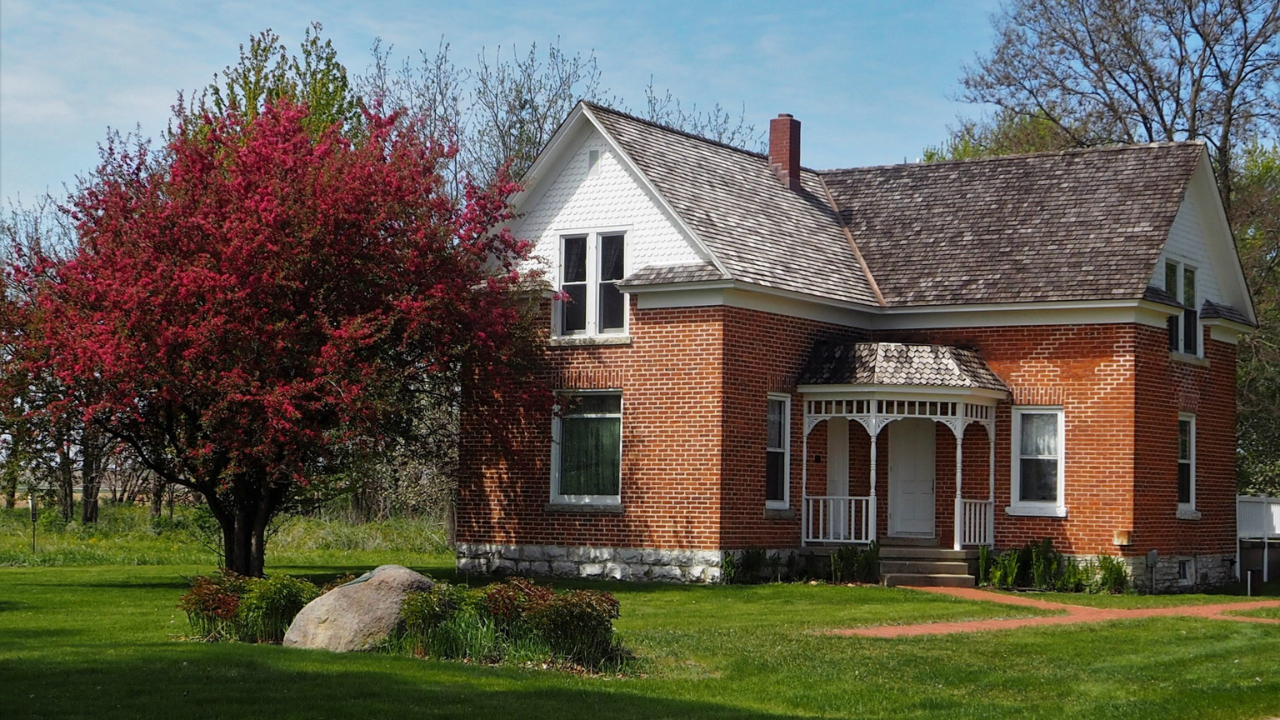
Carrie Chapman Catt Girlhood Home
Voting rights

Carrie Chapman Catt Girlhood Home

Iowa

This is the farmhouse near Charles City, Iowa, where Carrie Chapman Catt grew up.

Read & listen to the story →
jordyn-v-iowa
carrie-chapman-catt-girlhood-home-where-a-future-suffrage-leader-first-questioned-voting-inequality
Freeman Field Mutiny
Leave blank

Freeman Field Mutiny

Indiana

In April 1945, Black officers of the Tuskegee Airmen were arrested at this Indiana air base for challenging its segregated officers' clubs, leading to 162 separate arrests in all. A state historical marker now stands at the spot, in front of the Freeman Army Airfield Museum.

Read & listen to the story →
shan-indiana
freeman-field-mutiny-freeman-army-airfield-museum-seymour-indiana
Minidoka National Historic Site
School desegregation

Minidoka National Historic Site

Idaho

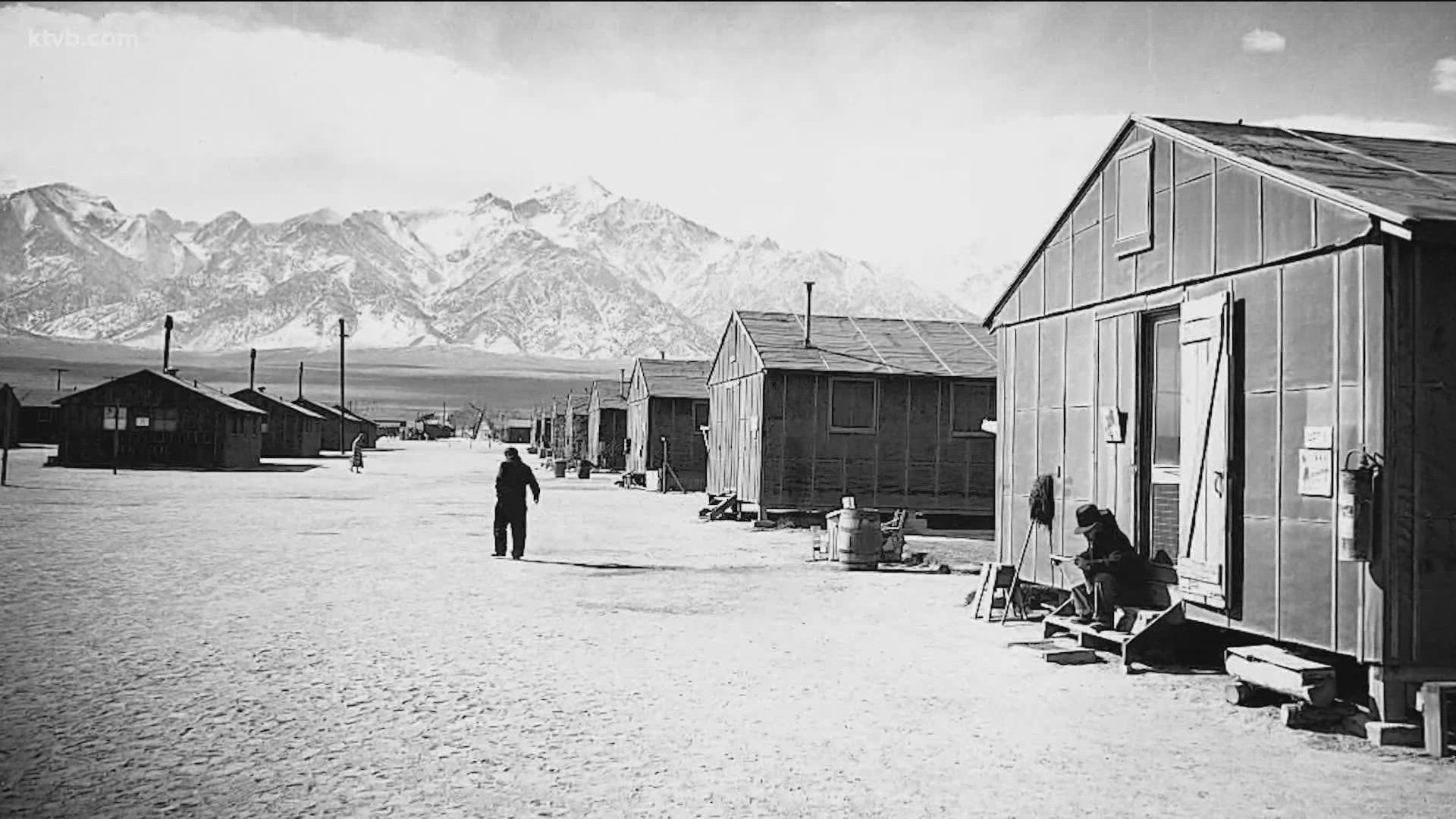
Nearly 13,000 Japanese Americans, most of them U.S. citizens, were imprisoned in the Idaho desert during World War II simply because of their ancestry.

Read & listen to the story →
julia-b-idaho
minidoka-national-historic-site
The Atlanta Student Movement
Marches & sit-ins

The Atlanta Student Movement

Georgia

Students from Atlanta's Black colleges published a manifesto against segregation, then backed it up with sit-ins that got even Dr. King arrested.

Read & listen to the story →
emma-a-georgia
the-atlanta-student-movement
The Monson Motor Lodge "Swim-In"
Marches & sit-ins

The Monson Motor Lodge "Swim-In"

Florida

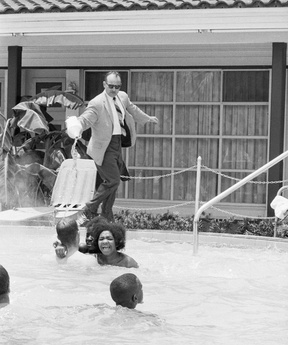
When Black and white protesters jumped into a whites-only motel pool together, the owner poured acid into the water to force them ou

Read & listen to the story →
isabella-m-florida
the-monson-motor-lodge-swim-in
The 1968 Occupation of Wilmington
Marches & sit-ins

The 1968 Occupation of Wilmington

Delaware

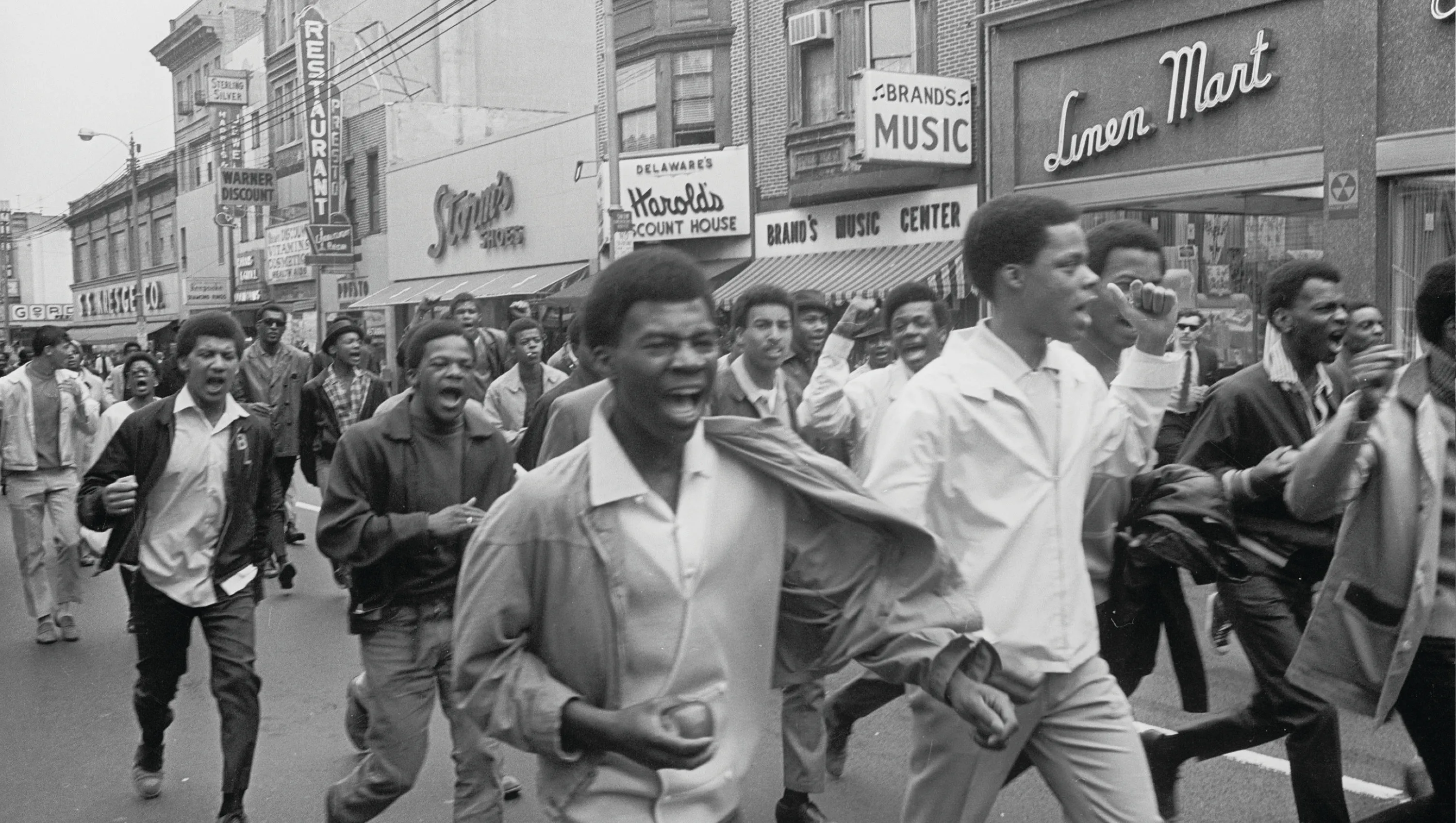
After MLK Jr.'s assassination, a two-day riot in Wilmington turned into a nine-month military occupation of the city's Black neighborhoods — the longest of any American city.

Read & listen to the story →
zanthia-o-delaware
the-1968-occupation-of-wilmington
The Crusade for Justice
Voting rights

The Crusade for Justice

Colorado

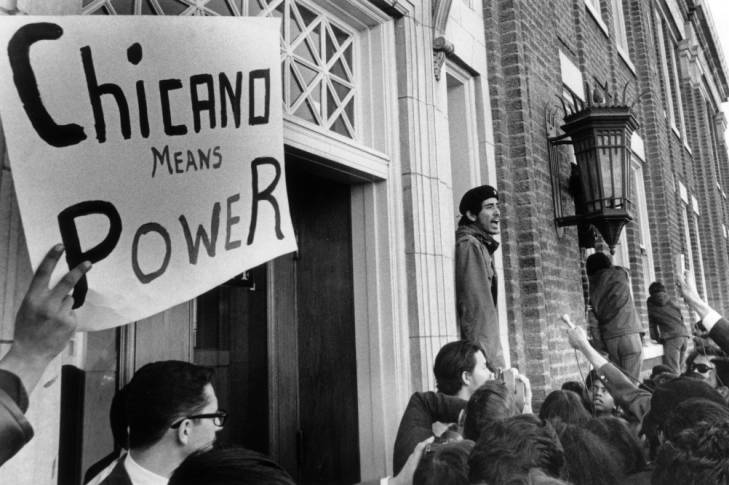
A former boxer turned activist built one of the country's most influential Chicano civil rights organizations out of a Denver building that police later riddled with bullets and set ablaze.

Read & listen to the story →
christa-t-colorado
the-crusade-for-justice
Little Rock Central High School
School desegregation

Little Rock Central High School

Arkansas

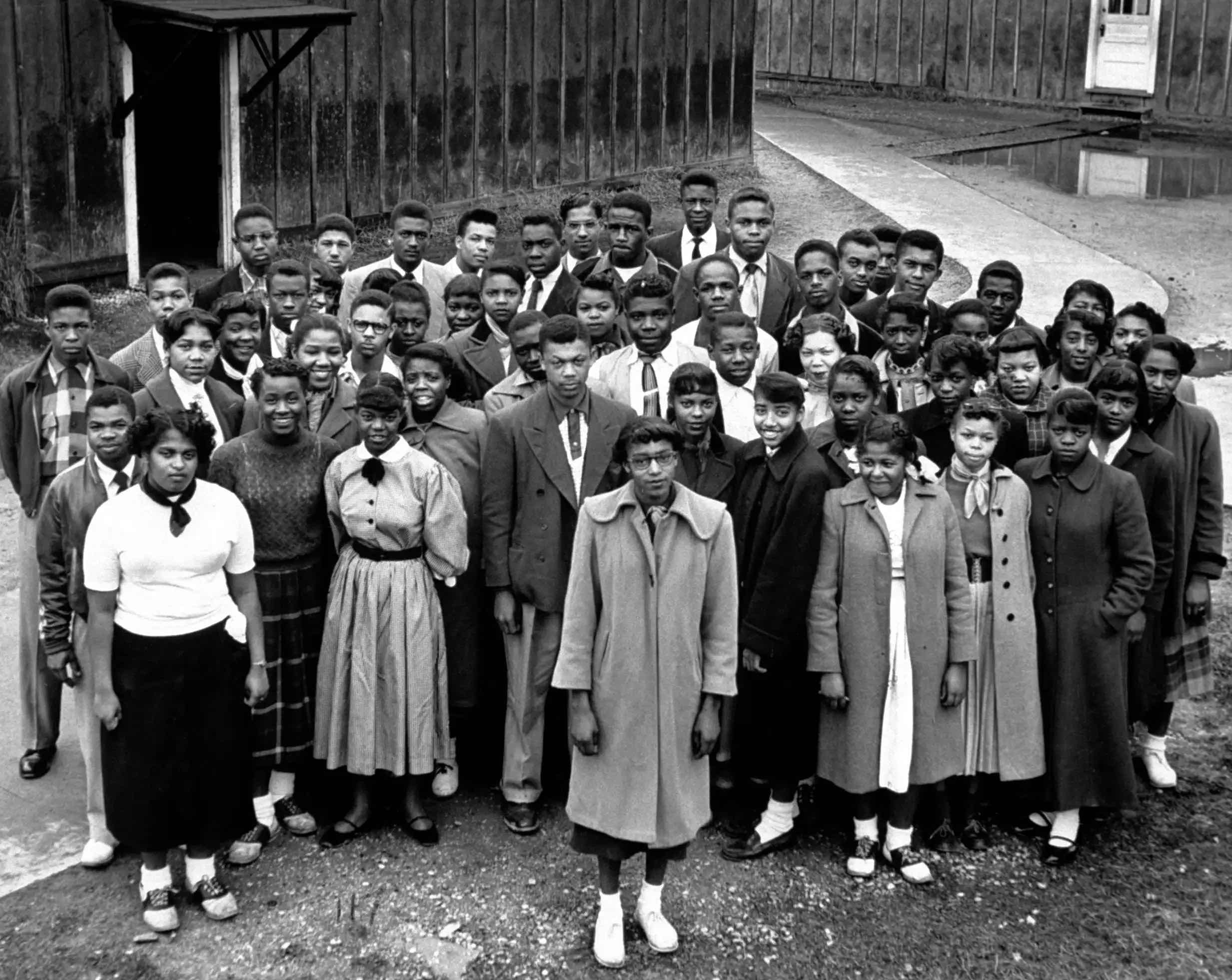
In 1957, nine Black students tried to enroll at an all-white high school in Little Rock, and the governor called in the National Guard to keep them out — so President Eisenhower ended up sending in federal troops to make sure they could go to school safely.

Read & listen to the story →
eddie-g-arkansas
little-rock-central-high-school
Gonzales v. Sheely Court Case
School desegregation

Gonzales v. Sheely Court Case

Arizona

Three years before Brown v. Board, Mexican American families in Tolleson, Arizona sued to end their kids' segregation into a separate "Mexican school" — and won, in one of the most decisive rulings against school segregation in the country's history.

Read & listen to the story →
juni-s-arizona
gonzales-v-sheely-court-case
The A.G. Gaston Motel
Marches & sit-ins

The A.G. Gaston Motel

Alabama

The only first-class motel in Birmingham that accepted Black guests — and in 1963, it became command central for Dr. King and the campaign that helped push the Civil Rights Act into law.

Read & listen to the story →
regina-b-alabama
the-a-g-gaston-motel
The Alaska Anti-Discrimination Act of 1945
Voting rights

The Alaska Anti-Discrimination Act of 1945

Alaska

After growing up seeing signs that read "No Natives Allowed," Elizabeth Peratrovich stood before Alaska's legislature and helped pass the first anti-discrimination law in the country — almost 20 years before the federal Civil Rights Act.

Read & listen to the story →
harley-g-alaska
the-alaska-anti-discrimination-act-of-1945
Dover Mill Girls Strike of 1828
Labor

Dover Mill Girls Strike of 1828

New Hampshire

Four hundred teenage mill workers walked out, becoming the first all-women strike in U.S. history.

Read & listen to the story →
tegan-w-new-hampshire
dover-mill-girls-strike-of-1828
Greensboro Sit-Ins
Marches & sit-ins

Greensboro Sit-Ins

North Carolina

Four college freshmen sat down at a whites-only lunch counter and refused to leave — sparking a movement that spread to over 55 cities in just three months.

Read & listen to the story →
jace-j-north-carolina
greensboro-sit-ins
Moton School Strike
School desegregation

Moton School Strike

Virginia

A school walkout that led to desegregated schools across the country.

Read & listen to the story →
jayce-j-virginia
moton-school-strike
Honouliuli Internment Camp
Japanese American incarceration

Honouliuli Internment Camp

Hawaii

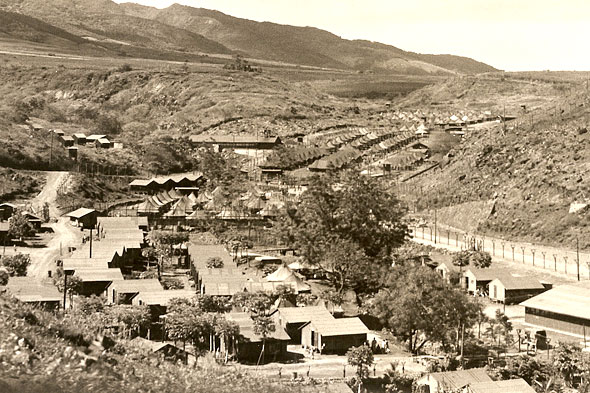
The largest and longest-used confinement site during World War II.

Read & listen to the story →
celeste-k-hawaii
honouliuli-internment-camp
The Black Panther Party
Black Power movement & community organizing

The Black Panther Party

Ohio

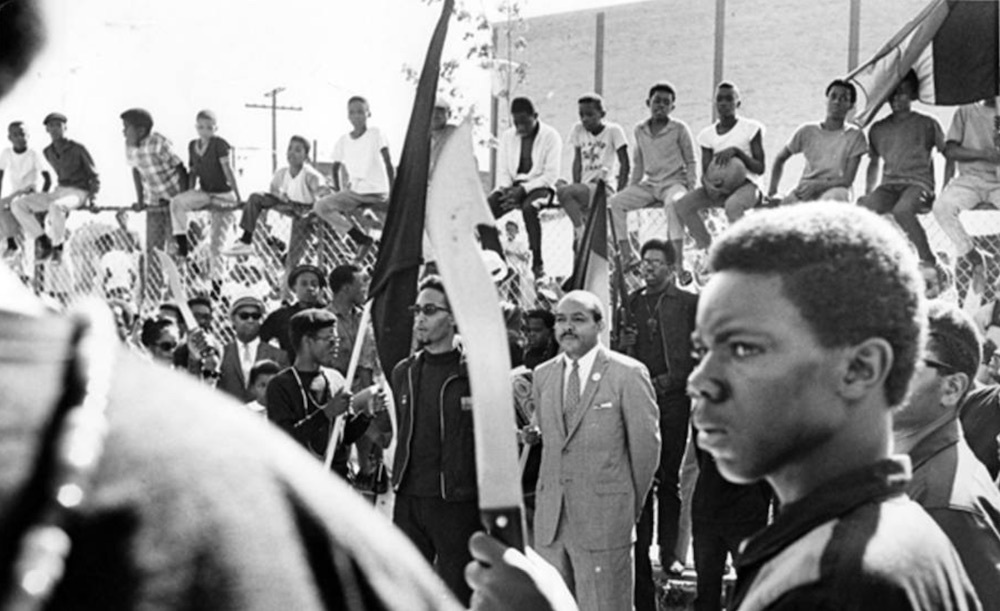
Like other Panther chapters across the United States, the Cleveland group focused on community organizing and political education.

Read & listen to the story →
maliah-o-ohio
the-black-panther-party
The Amistad Trial
Slavery & abolition

The Amistad Trial

Connecticut

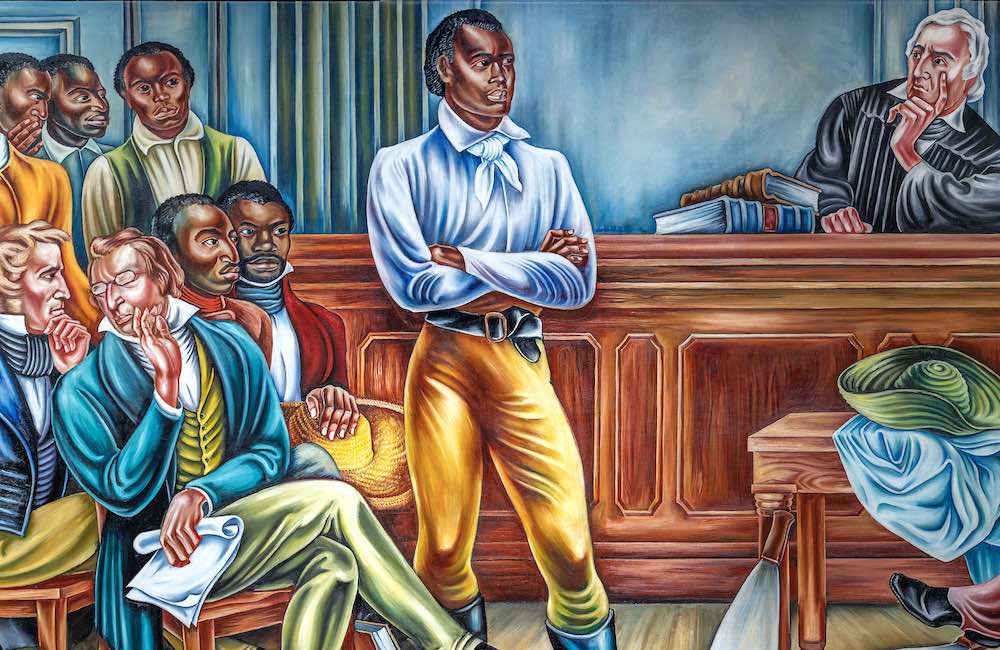
A landmark moment in the fight against slavery, unfolding in Connecticut between 1839 and 1841. In 1839, a group of 53 Africans, mostly from the Mende people of present-day Sierra Leone, were kidnapped and illegally sold into the Spanish slave trade.

Read & listen to the story →
charlie-s-connecticut
the-amistad-trial
Marian A. Spencer Statue
Public accommodations desegregation

Marian A. Spencer Statue

Ohio

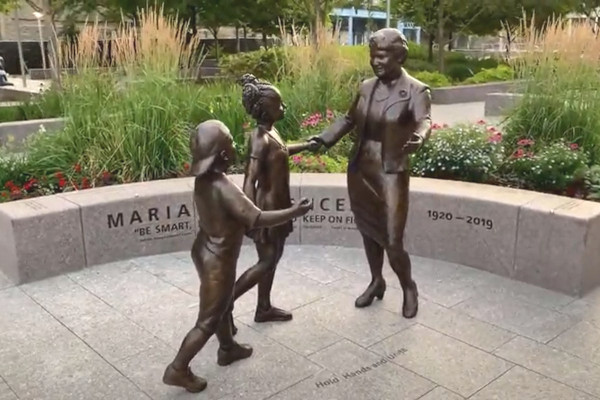
Spencer was a civil rights activist, nicknamed “Ms. Civil Rights”, politician and Vice Mayor of the Cincinnati City Council.

Read & listen to the story →
emma-t-ohio
marian-a-spencer-statue
Sandy Spring Slave Museum & African Art Gallery
Slavery & abolition

Sandy Spring Slave Museum & African Art Gallery

Maryland

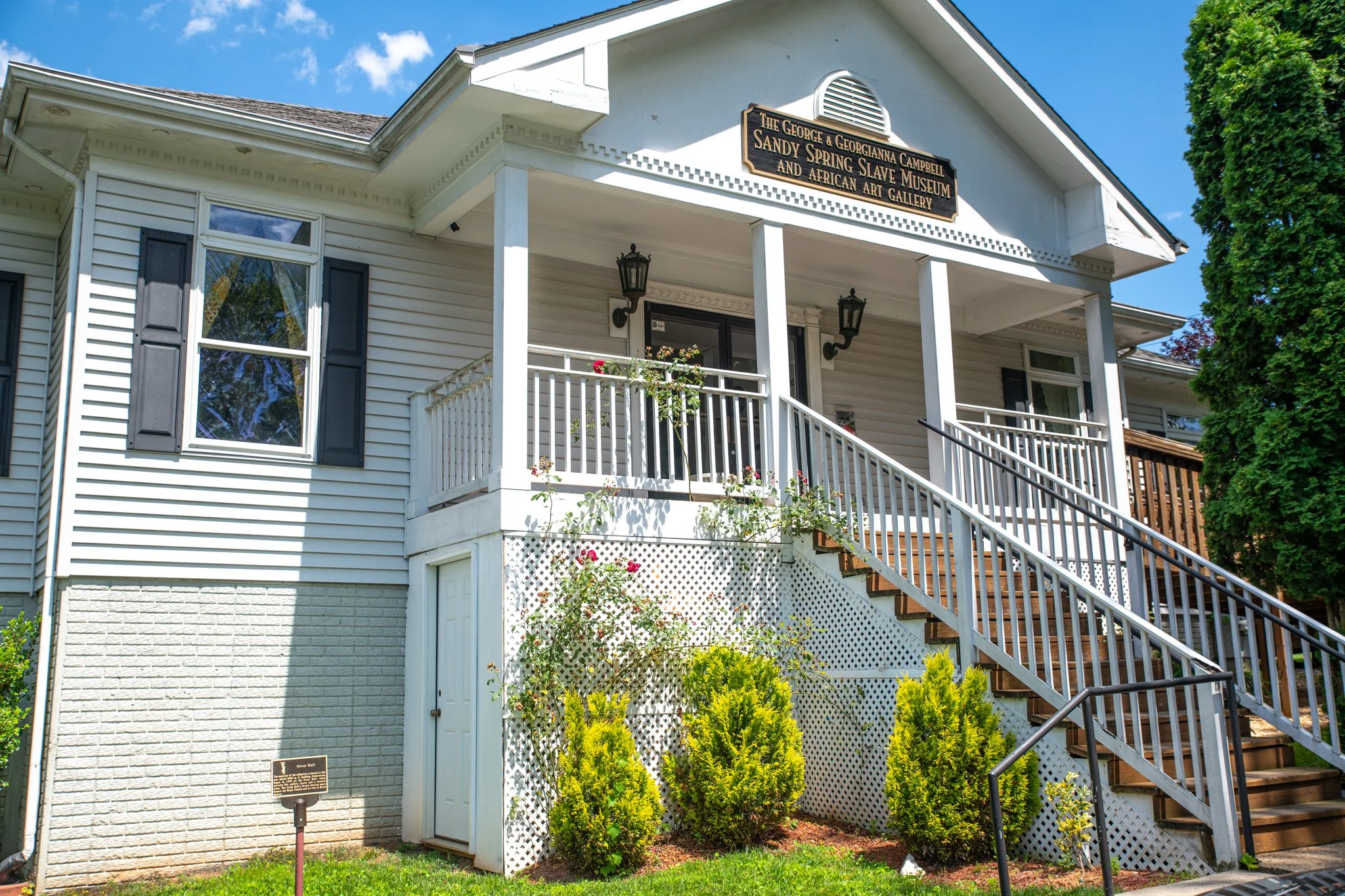
Founded in 1988 by Dr. Winston Anderson, a Howard University scientist and educator, the museum was created to educate visitors about African heritage, slavery, emancipation, and the achievements of African Americans.

Read & listen to the story →
sydney-m-maryland
sandy-spring-slave-museum-african-art-gallery
Construction of the Stephen E. Howe Elementary School
School desegregation

Construction of the Stephen E. Howe Elementary School

Ohio

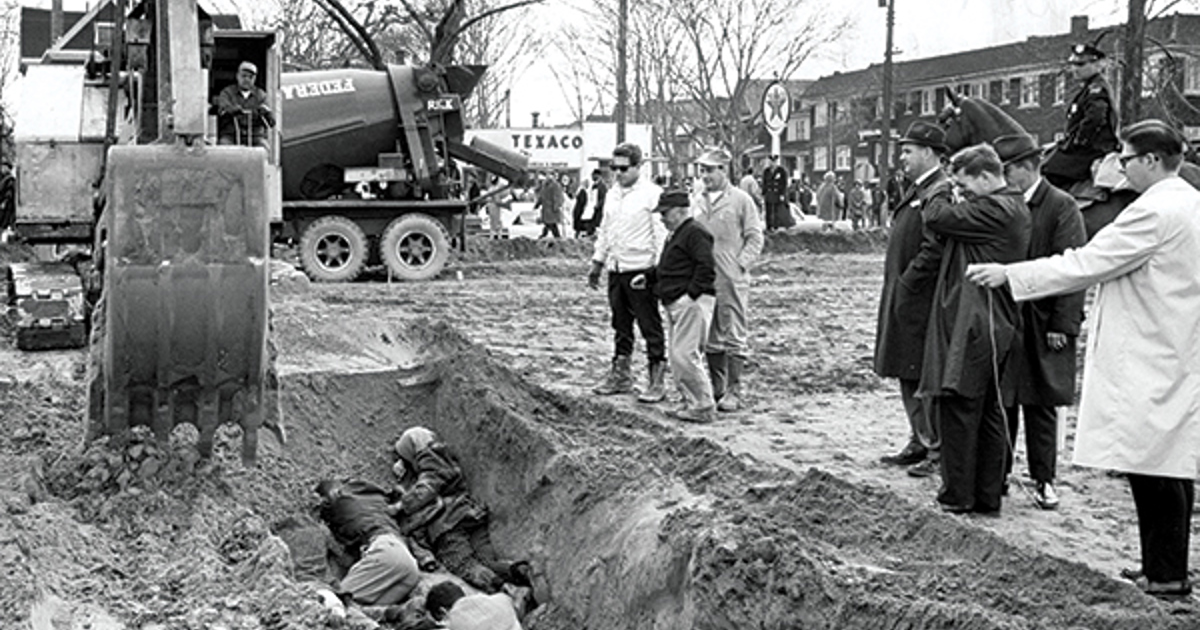
In 1964, the Cleveland Board of Education's plan to build Stephen E. Howe Elementary School in the Glenville neighborhood became a flashpoint in the city's civil rights struggle.

Read & listen to the story →
sarah-z-ohio
construction-of-the-stephen-e-howe-elementary-school
Hough Uprising
Racial violence & urban unrest

Hough Uprising

Ohio

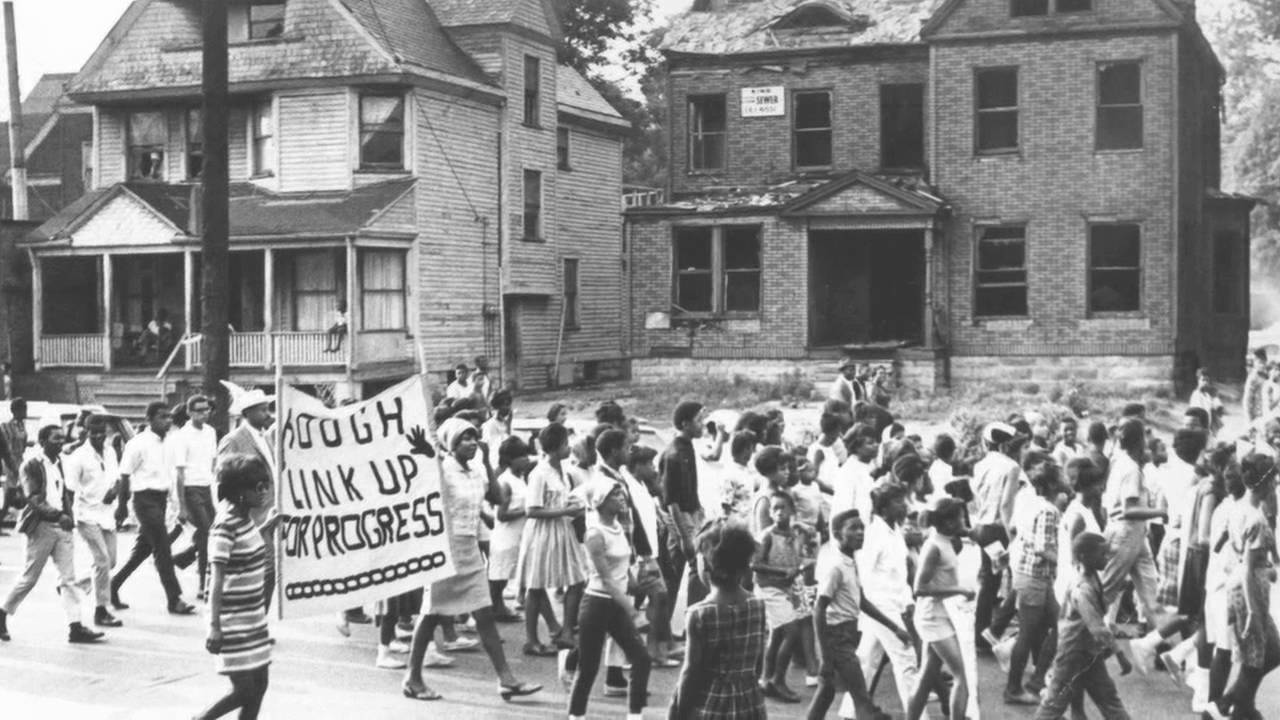
The Hough Uprising was a major civil disorder that occurred from July 18 to July 23, 1966, in Cleveland, Ohio. It begins after a white bar owner refused to serve a glass of water to African American customers. This incident was widely perceived as an act of racism and triggered anger among African Americans residents.

Read & listen to the story →
ain-c-ohio
hough-uprising-cleveland-oh
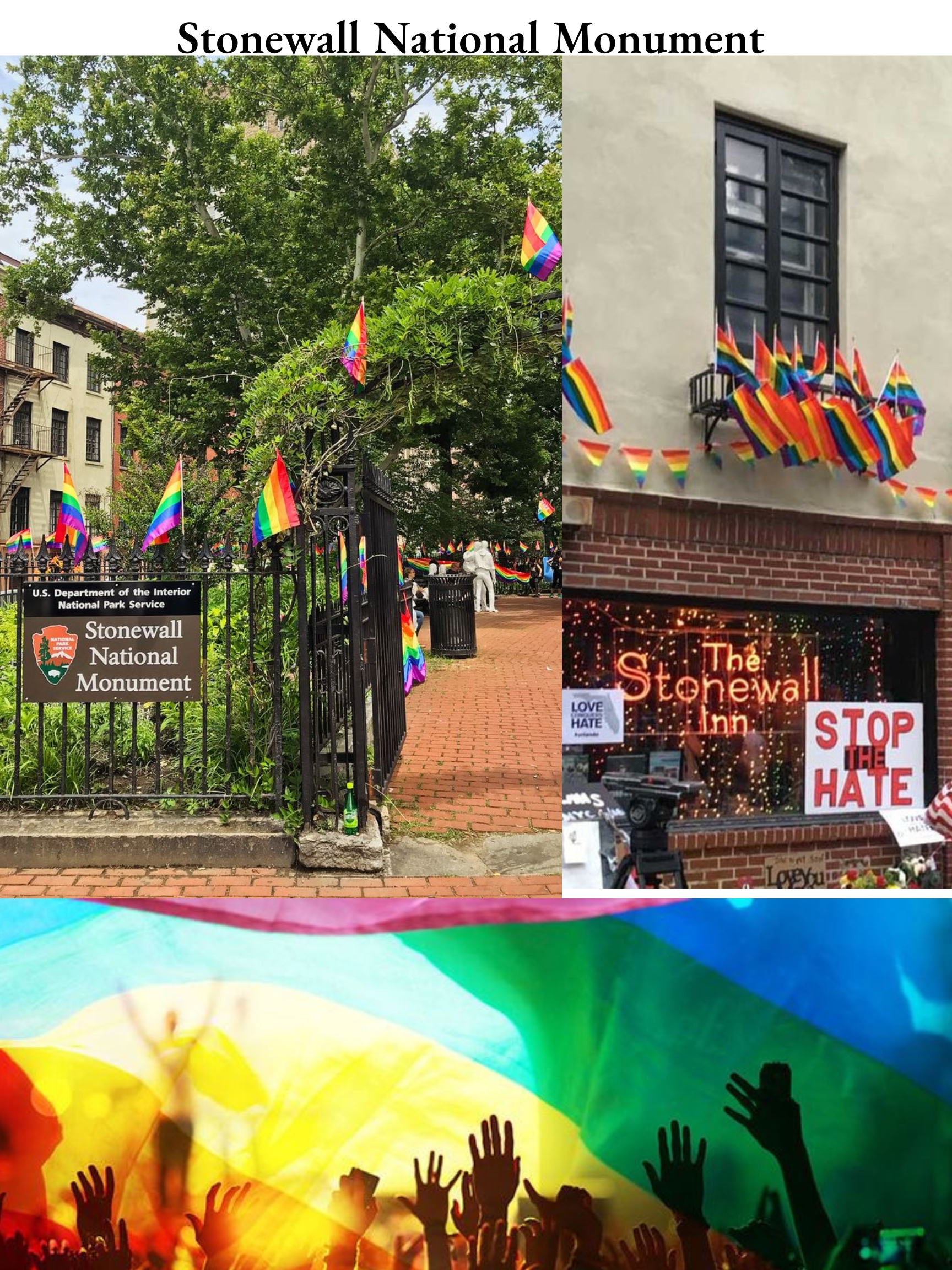
Stonewall National Monument
LGBTQ+ rights

Stonewall National Monument

New York

The Stonewall National Monument is an encapsulated memory of the uprising on June 18, 1969, where both gay and lesbian people got tired and angry of the often discriminatory police raids.

Read & listen to the story →
shema-a-new-york
stonewall-national-monument
The Forty Acres
Farm workers' rights

The Forty Acres

California

This site was absolutely foundational for farmers civil rights in California. It was the birthplace of the United Farm Workers (UFW) which is the longest-running, most influential farm labor union in the U.S., founded in 1966 by Larry Itliong, César Chávez, and Dolores Huerta. It has a list of necessary ideals that they advocate for including “better wages, safer working conditions, and immigration reforms for agricultural workers through strikes, boycotts, and political lobbying” (National Farm Worker Ministry, 2018...

Read & listen to the story →
isabella-h-california
the-forty-acres
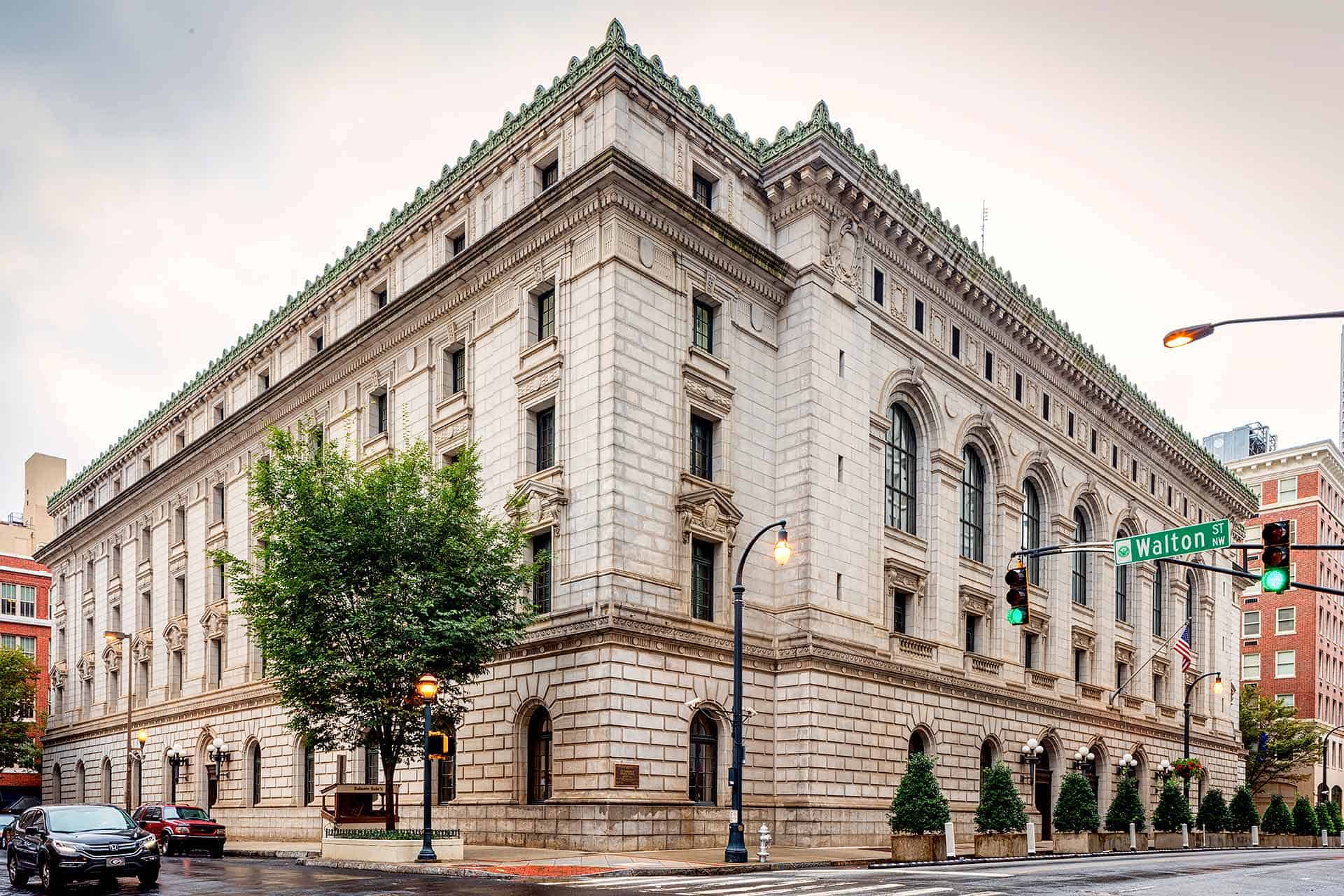
Elbert P Tuttle Courthouse
Judicial civil rights enforcement

Elbert P Tuttle Courthouse

Georgia

The Elbert P Tuttle Courthouse in Atlanta, Georgia played an important part in the CivilRights Movement in the 1950s and 1960s. When the building was completed in 1910, it wasused as both a courthouse and a post office, but later it became the United States Court ofAppeals for the 5th Circuit. During the Civil Rights Movement, this court ensured thatdesegregation and voting rights laws were upheld in Georgia....

Read & listen to the story →
aleksi-u-georgia
elbert-p-tuttle-courthouse
Women's Suffrage Monuments and Mural
Women's suffrage

Women's Suffrage Monuments and Mural

Wyoming

Wyoming became the first U.S. territory to grant women the right to vote in 1869, and the first state to give women the right to vote when it became the 44th state in the Union in 1890. Wyoming was also the first territory and later state to allow women to hold public office....

Read & listen to the story →
fiona-m-wyoming
womens-suffrage-monuments-and-mural
The 16th Street Baptist Church
Racial violence & lynching

The 16th Street Baptist Church

Alabama

The 16th Street Baptist Church located in Birmingham Alabama is a key historic landmark which served as a central meeting place for civil rights activists and was the first ever black baptist church. During the 1950s and 1960s, the church led and organized protests, marches, and campaigns to end segregation....

Read & listen to the story →
emma-a-alabama
the-16th-street-baptist-church
Rensalier and Huntoon Underground Railroad Memorial
Underground Railroad & abolition

Rensalier and Huntoon Underground Railroad Memorial

New Jersey

The Rensalier and Huntoon Underground Railroad Memorial honors one of the more overlooked yet important factors of the early Civil Rights Movement. Beginning in the wake of American independence from the British Empire, the Underground Railroad was one of the earliest but largest acts of resistance to slavery and civil inequality, ...

Read & listen to the story →
henry-s-new-jersey
rensalier-and-huntoon-underground-railroad-memorial
Dooky Chase Restaurant
Civil rights education & organizing

Dooky Chase Restaurant

Louisiana

Dooky Chase in New Orleans, Louisiana is a world-renowned restaurant and one of the first African American-owned establishments to offer fine dining in the United States. Built in 1941 by Edgar "Dooky" Chase Sr., it began humbly as a sandwich shop and numbers parlor, but through the musical talent and entrepreneurial vision of his son, Edgar "Dooky" Chase Jr.,....

Read & listen to the story →
chase-k-louisiana
dooky-chase-restaurant
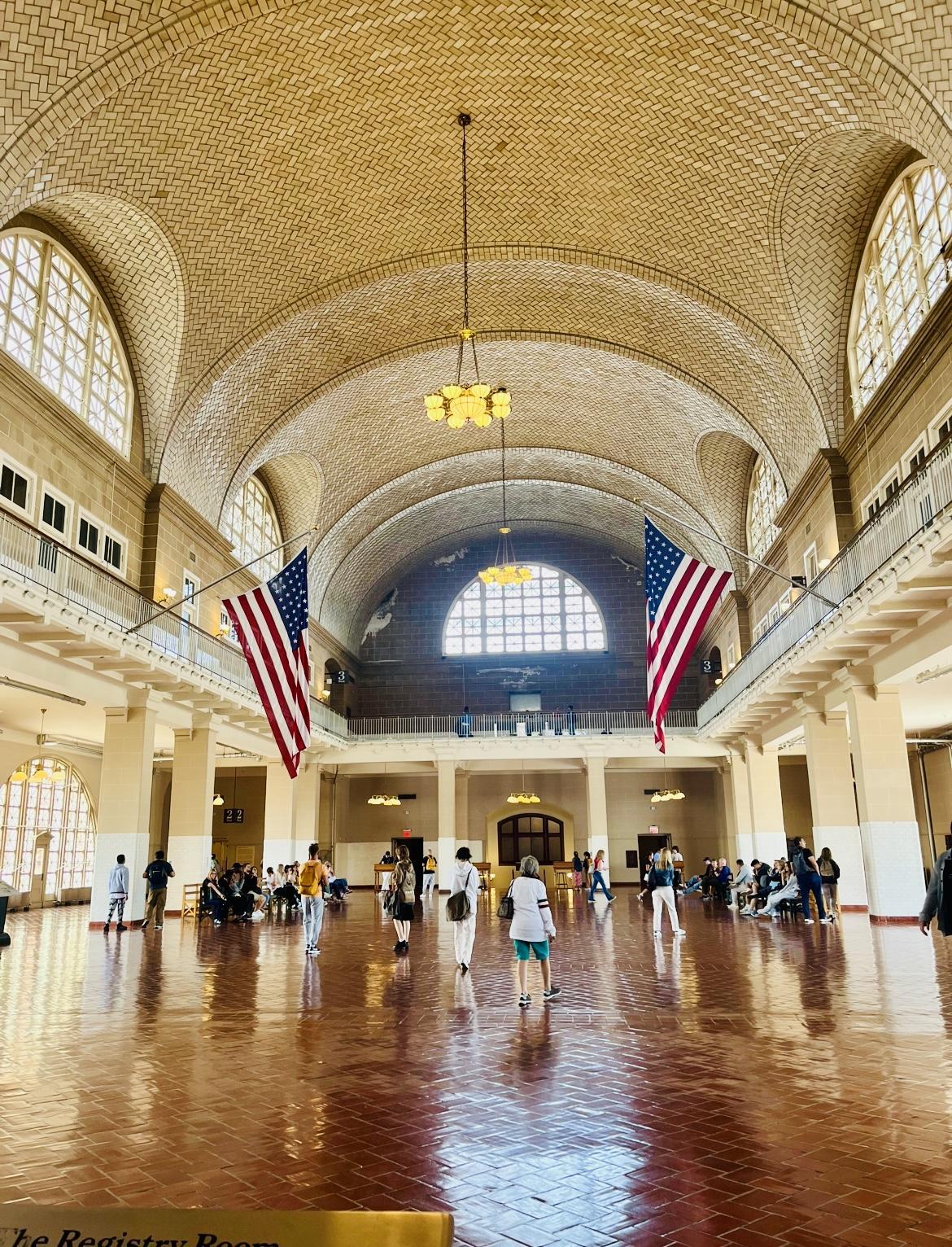
Ellis Island
Immigrant rights

Ellis Island

New York

Ellis Island was the major immigration station in the United States between 1892 and 1954 during which time it processed over 12 million immigrants most of whom were escaping poverty, persecution, and lack of opportunity in their native lands. As such, it was the location where many peoples’ hopes and dreams of a better future were either realized or cut short...

Read & listen to the story →
shania-s-new-york
ellis-island
Ellicott City Colored School
School desegregation

Ellicott City Colored School

Maryland

The Ellicott City Colored School was established during a time when racial segregationshaped every aspect of life, especially education. In 1879, the Secretary of the Board ofEducation was directed to acquire land for an African American school within the SecondDistrict of Howard County. The following year, John G. Rogers and his wife, Rebecca, sold aparcel of land to the Board of Education. ...

Read & listen to the story →
sydney-m-maryland
ellicott-city-colored-school
The History & Significance of the 1977 National Women’s Conference
Women's rights

The History & Significance of the 1977 National Women’s Conference

Texas

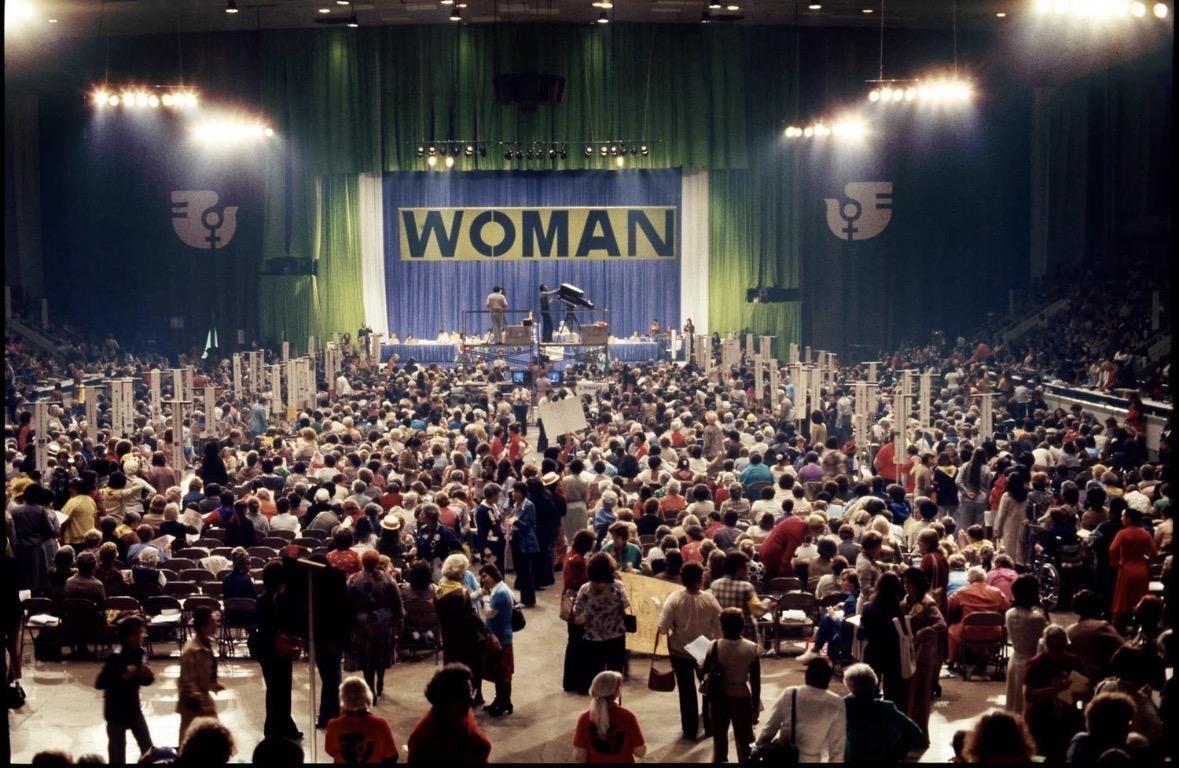
In November of 1977, Houston became the center of a historic and deeply complex moment in the American struggle for equality. The National Women’s Conference was not just a large gathering—it was the first and only time the United States government formally supported a national conversation about women’s rights....

Read & listen to the story →
siya-m-texas
the-history-significance-of-the-1977-national-womens-conference
Bryant’s Grocery and Meat Market
Racial violence & lynching

Bryant’s Grocery and Meat Market

Mississippi

In 1955, you could buy two cents’ worth of bubble gum at Bryant’s Grocery & Meat Market—but for a fourteen-year-old boy from Chicago, that small transaction cost him his life. Bryant’s Grocery & Meat Market is a landmark connected to Emmett Till. This is where Till was accused of behaving inappropriately toward a white woman named Carolyn Bryant....

Read & listen to the story →
lakisha-h-mississippi
bryants-grocery-and-meat-market