← All State Chapter Presidents
NE
State Chapter President

Ben A.

Nebraska

Their civil rights story

Richwoods High School — Educational History and Community Development
School desegregation

Richwoods High School — Educational History and Community Development

Illinois

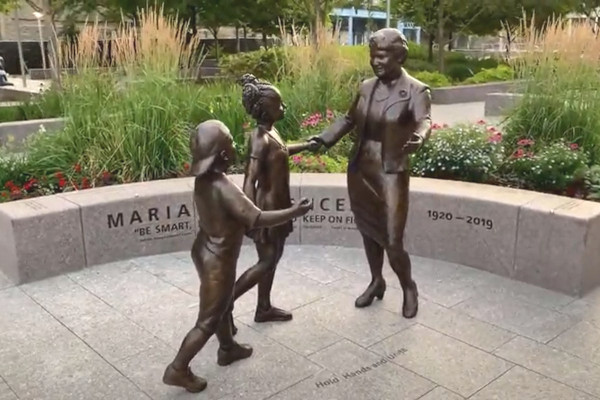
Richwoods High School is a public secondary school in Peoria, Illinois, that opened in 1957 as Richwoods Community High School. Originally serving Richwoods Township, it later became part of Peoria Public Schools District 150. The school offers college-preparatory education, athletics, arts and advanced academic opportunities. Its International Baccalaureate Diploma Programme received authorization in 2001. Richwoods remains an educational institution serving students from across the Peoria community.

Read & listen to the story →
richwoods-high-school-peoria-illinois
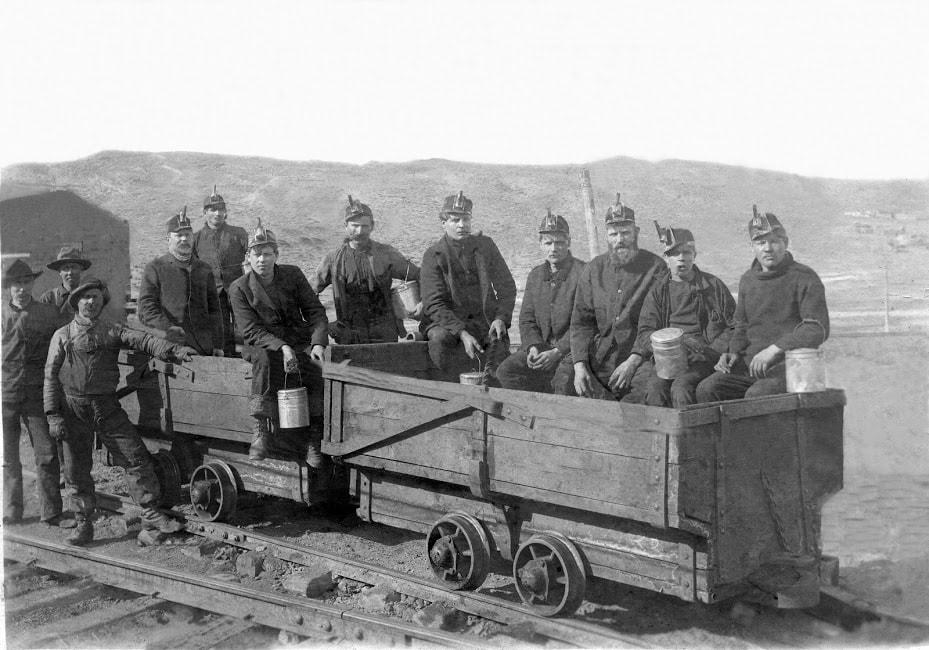
Dana Black Coal Miners and the Fight for Fair Labor Practices (1889–1890)
Labor

Dana Black Coal Miners and the Fight for Fair Labor Practices (1889–1890)

Wyoming

In December 1889, coal miners at Dana, Wyoming Territory, struck over unfair wages and the company's method of weighing coal after screening. In February 1890, the Union Pacific coal operation recruited approximately 200 Black miners from Ohio through James E. Shepperson to replace the strikers. Many refused to accept the same unfair conditions, drawing public attention to wage discrimination and labor practices. Their resistance influenced Wyoming territorial legislation regulating coal weighing in March 1890. Dana later became a rare majority-Black mining community in Wyoming. The miners' actions became an important, long-overlooked chapter in African American and labor history.

Read & listen to the story →
dana-black-coal-miners-labor-rights-1889-1890
The Black 14 — University of Wyoming Civil Rights Protest (1969)
Marches & sit-ins

The Black 14 — University of Wyoming Civil Rights Protest (1969)

Wyoming

On October 17, 1969, fourteen Black football players at the University of Wyoming approached Coach Lloyd Eaton to discuss wearing black armbands during an upcoming game against Brigham Young University. They wanted to protest the Church of Jesus Christ of Latter-day Saints' policy barring Black men from its priesthood. Eaton dismissed all fourteen players from the team before they could participate in the planned game-day demonstration. The dismissals sparked campus protests, national controversy, and a legal battle over student-athletes' freedom of expression. In 2019, the university formally apologized and honored the players' stand against racial discrimination.

Read & listen to the story →
black-14-university-wyoming-civil-rights-1969
Lenna Lowe Yost and West Virginia Women's Suffrage Victory (1916–1920)
Women's suffrage

Lenna Lowe Yost and West Virginia Women's Suffrage Victory (1916–1920)

West Virginia

In 1916, Lenna Lowe Yost led an unsuccessful campaign to secure women's voting rights through a West Virginia referendum. As a leader of the West Virginia Equal Suffrage Association and the Woman's Christian Temperance Union, she continued organizing statewide support. In 1920, Yost headed the campaign for ratification of the Nineteenth Amendment. After intense lobbying, West Virginia's House approved the measure on March 3, and the Senate narrowly passed it 15–14 on March 10. West Virginia became the thirty-fourth state to ratify, helping advance the national victory for women's voting rights later that year.

Read & listen to the story →
lenna-lowe-yost-west-virginia-womens-suffrage-1920
Carrie Williams and Williams v. Board of Education (1898)
School desegregation

Carrie Williams and Williams v. Board of Education (1898)

West Virginia

In 1892, African American teacher Carrie Williams challenged unequal education at Coketon Colored School in Tucker County, West Virginia. The school board limited Black students to five months of classes while white students received eight months. Williams continued teaching for the full term without receiving three months of pay. With help from attorney J. R. Clifford, West Virginia's first Black lawyer, she sued the school board for $120 in unpaid wages. On November 16, 1898, the West Virginia Supreme Court upheld her victory, ruling that racial discrimination in school-term lengths violated state law. The case became an important early achievement in educational equality.

Read & listen to the story →
carrie-williams-board-of-education-1898
Everett Massacre and IWW Free Speech Struggle (1916)
Labor

Everett Massacre and IWW Free Speech Struggle (1916)

Washington

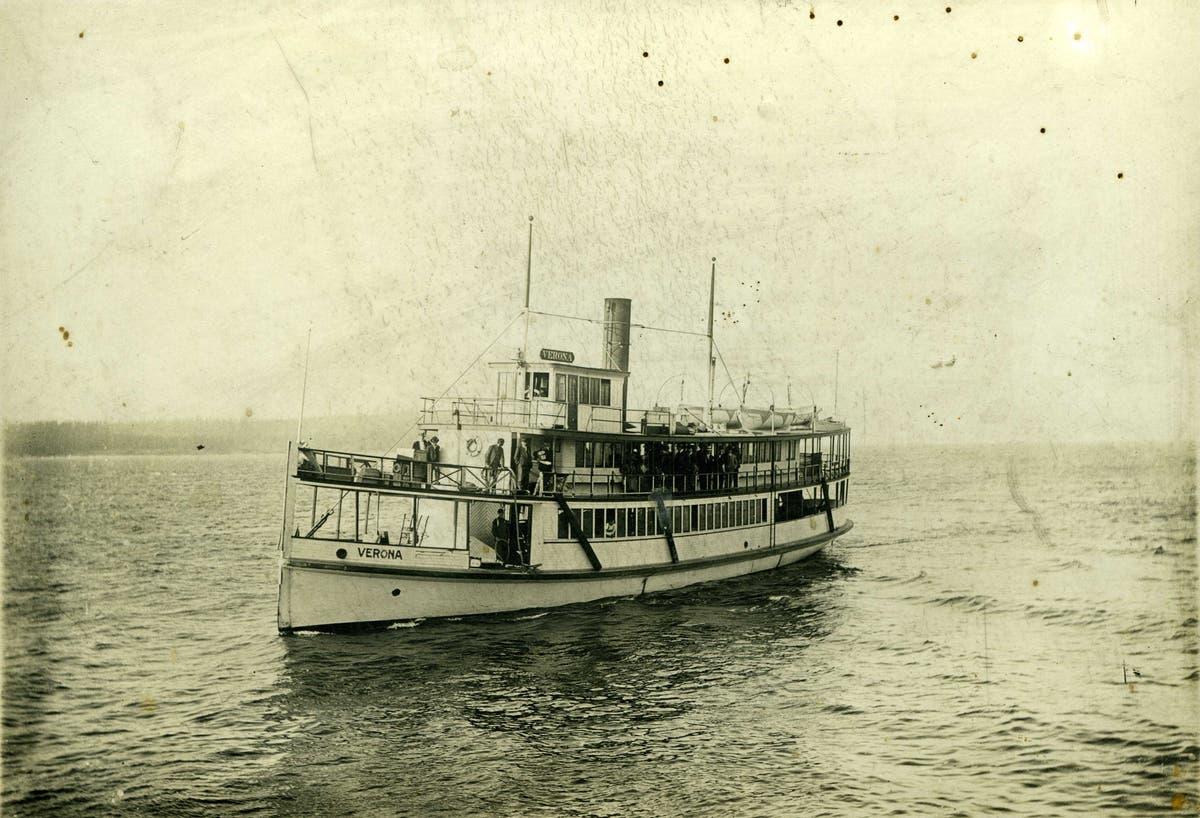
On November 5, 1916, approximately 300 members of the Industrial Workers of the World traveled by steamboat from Seattle to Everett, Washington, to defend free speech and support striking shingle-mill workers. At Everett City Dock, Sheriff Donald McRae and armed citizen deputies prevented the workers from landing. Gunfire erupted, killing at least five IWW members and two deputies and injuring many others. The incident became known as the Everett Massacre. After 74 IWW members faced prosecution, Thomas H. Tracy was acquitted in 1917. The tragedy became a major episode in American labor and free-speech history.

Read & listen to the story →
everett-massacre-iww-free-speech-struggle-1916
Billy Frank Jr. and the Boldt Decision (1960s–1974)
Indigenous land & water rights

Billy Frank Jr. and the Boldt Decision (1960s–1974)

Washington

During the 1960s, Nisqually leader Billy Frank Jr. helped organize fish-ins on western Washington rivers to protest restrictions on Native American treaty fishing rights. State authorities repeatedly arrested tribal fishers and confiscated their equipment, despite treaty protections. Frank, Hank Adams, Janet McCloud, and other activists continued challenging these restrictions. On February 12, 1974, federal Judge George H. Boldt ruled that treaty tribes were entitled to up to half the harvestable salmon and steelhead catch at their usual and accustomed fishing grounds. The decision reaffirmed tribal treaty rights and established the basis for cooperative fisheries management between tribes and Washington State.

Read & listen to the story →
billy-frank-jr-boldt-decision-1974
Thomasina E. Jordan Indian Tribes of Virginia Federal Recognition Act (2018)
Native American rights

Thomasina E. Jordan Indian Tribes of Virginia Federal Recognition Act (2018)

Virginia

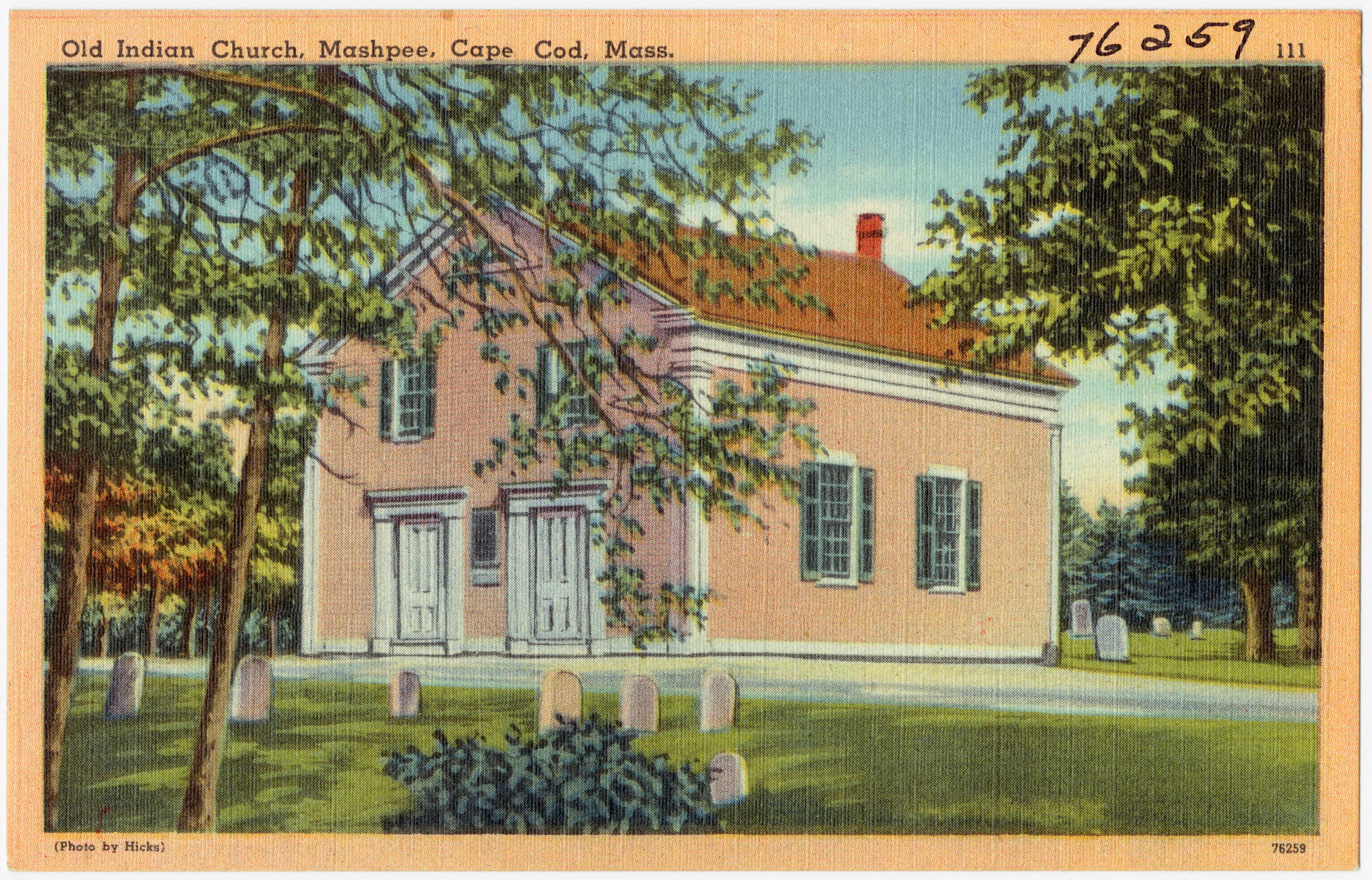
On January 29, 2018, the United States enacted the Thomasina E. Jordan Indian Tribes of Virginia Federal Recognition Act, granting federal recognition to six Virginia Indian tribes. The law followed decades of tribal advocacy and historical difficulties documenting Indigenous ancestry because of discriminatory state recordkeeping. Named for Mashpee Wampanoag activist Thomasina E. Jordan, who died in 1999, the legislation established federal government-to-government relationships and eligibility for important tribal services and programs. The Act represented a major milestone in the continuing struggle for Indigenous sovereignty and recognition of Virginia's Native nations.

Read & listen to the story →
thomasina-e-jordan-virginia-tribal-recognition-2018
Clarina Howard Nichols — Women's Legal Rights and Suffrage Advocacy (1847–1852)
Women's suffrage

Clarina Howard Nichols — Women's Legal Rights and Suffrage Advocacy (1847–1852)

Vermont

In 1847, Clarina Howard Nichols used her position as editor of Brattleboro's Windham County Democrat to advocate for married women's property rights. Her editorials helped secure Vermont legislation protecting women's inherited property and allowing them to write wills. Believing legal equality also required political representation, Nichols organized a petition in 1852 seeking women's right to vote in local school meetings. She became the first woman to address the Vermont Legislature, although lawmakers rejected the proposal. Her pioneering efforts contributed to the early American women's rights movement.

Read & listen to the story →
clarina-howard-nichols-womens-rights-1847-1852
Alexander Lucius Twilight — First African American College Graduate and State Legislator (1823–1836)
Civil rights education & organizing

Alexander Lucius Twilight — First African American College Graduate and State Legislator (1823–1836)

Vermont

In 1823, Alexander Lucius Twilight became the first known African American to earn a college degree in the United States, graduating from Middlebury College in Vermont. A pioneering educator and minister, he became principal of Orleans County Grammar School in Brownington in 1829. He constructed Athenian Hall, a four-story granite student dormitory completed in 1836. That same year, Twilight became the first African American elected to a state legislature in the United States, representing Brownington in Vermont's House of Representatives. His achievements challenged racial barriers in education and public service. Today, Athenian Hall survives as the Old Stone House Museum.

Read & listen to the story →
alexander-lucius-twilight-1823-1836
Charles Nabors Jr. and the Rancho Lanes Anti-Segregation Protest (1962)
Marches & sit-ins

Charles Nabors Jr. and the Rancho Lanes Anti-Segregation Protest (1962)

Utah

In 1962, African American civil rights leader Charles Nabors Jr. organized a peaceful protest against racial segregation at Rancho Lanes, a bowling alley in Salt Lake City, Utah. Black customers were restricted to bowling after 1:00 a.m., effectively denying them equal access during regular operating hours. Nabors and members of the local NAACP organized interracial picketing to challenge this discriminatory policy. Participants followed nonviolent protest methods and remained on public sidewalks. Rancho Lanes ended its segregation policy in 1963. The protest became an important milestone in Utah's civil rights movement and contributed to wider efforts supporting public accommodations legislation in 1965.

Read & listen to the story →
charles-nabors-rancho-lanes-anti-segregation-protest-1962
Preston Allen and Allen v. Merrell (1956–1957)
Native American rights

Preston Allen and Allen v. Merrell (1956–1957)

Utah

In 1956, Preston Allen, a Ute citizen living on Utah's Uintah and Ouray Reservation, challenged a state law denying voting rights to residents of Indian reservations. After Duchesne County Clerk Porter Merrell refused his absentee ballot request, Allen appealed to the Utah Supreme Court, arguing that the restriction violated constitutional protections. The court upheld the law on December 15, 1956. Allen sought review by the United States Supreme Court, but before the case could be decided, Utah's legislature repealed the discriminatory residency provision in 1957. The case became an important milestone in the movement for Native American voting rights.

Read & listen to the story →
preston-allen-v-merrell-native-american-voting-rights-1956-1957
San Antonio Pecan Shellers' Strike (1938)
Chicano civil rights

San Antonio Pecan Shellers' Strike (1938)

Texas

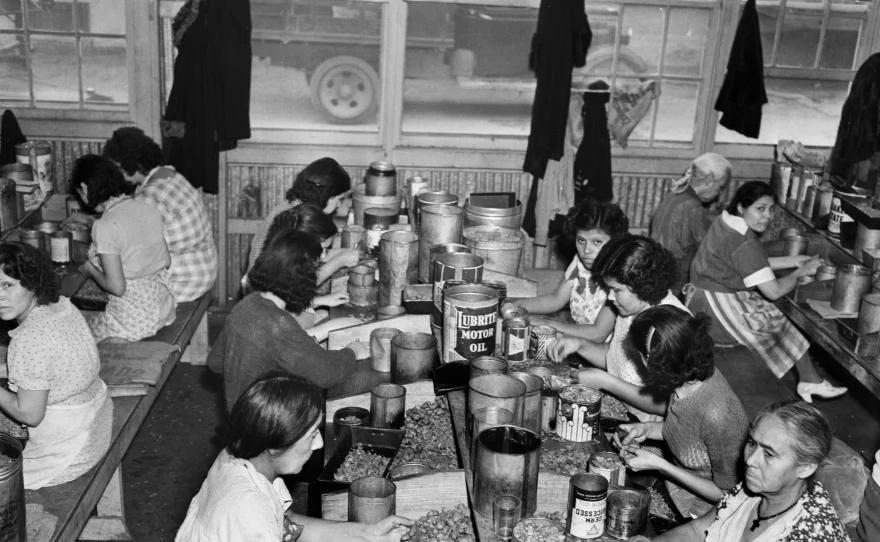
On January 31, 1938, approximately 12,000 mostly Mexican American pecan shellers in San Antonio, Texas, began a major strike against wage cuts and dangerous working conditions. Led initially by 21-year-old labor organizer Emma Tenayuca, the workers demanded better pay and fair treatment. Police used tear gas, broke up demonstrations, and made hundreds of arrests. Following negotiations and arbitration, workers secured wage improvements and recognition of their union. However, mechanization following the introduction of the federal minimum wage later eliminated thousands of shelling jobs. The strike became an important milestone in Mexican American labor history and women's activism.

Read & listen to the story →
san-antonio-pecan-shellers-strike-1938
Crystal City Student Walkouts and Mexican American Educational Rights Movement (1969–1970)
School desegregation

Crystal City Student Walkouts and Mexican American Educational Rights Movement (1969–1970)

Texas

In December 1969, Mexican American students in Crystal City, Texas, walked out of school to protest discriminatory policies and unequal educational opportunities. Led by students including Severita Lara, Diana Serna, and Mario Treviño, the movement challenged unfair cheerleader-selection rules, restrictions on Spanish, and the lack of Mexican American teachers and culturally relevant classes. The boycott expanded across the district with support from parents and the Mexican American Youth Organization. After federal mediation, an agreement in January 1970 addressed many student demands. The walkouts became a major achievement in the Chicano civil rights movement.

Read & listen to the story →
crystal-city-student-walkouts-1969-1970
Elizabethton Rayon Plant Strikes (1929)
Women's rights

Elizabethton Rayon Plant Strikes (1929)

Tennessee

On March 12, 1929, Margaret Bowen led 523 women workers out of the American Glanzstoff rayon factory in Elizabethton, Tennessee, protesting low wages, unfair promotions, and discriminatory workplace rules. Workers at the neighboring Bemberg plant joined the struggle, and the United Textile Workers revived Local 1630. A second strike began on April 15 after management dismissed union supporters. Governor Henry Horton deployed National Guard troops, who used tear gas and arrested hundreds of protesters. A May 25 settlement promised workplace improvements, but management never formally recognized the union and blacklisted many workers. The strikes became an important example of women's leadership in American labor history.

Read & listen to the story →
elizabethton-rayon-plant-strikes-1929
Fayette County Tent City and Black Voting Rights Movement (1959–1962)
Voting rights

Fayette County Tent City and Black Voting Rights Movement (1959–1962)

Tennessee

In 1959, African Americans in Fayette County, Tennessee, launched a voter registration campaign challenging decades of racial discrimination. White landowners retaliated by evicting Black sharecroppers, while businesses denied many families essential goods and services. In 1960, displaced residents established makeshift settlements known as Tent City on land provided by Shepard Towles and Gertrude Beasley. Activists including John and Viola McFerren organized assistance and continued demanding equal voting rights. Federal legal action and national support helped challenge the retaliation. A 1962 consent decree prohibited interference with voting and retaliatory evictions, although discrimination persisted.

Read & listen to the story →
fayette-county-tent-city-black-voting-rights-1959-1962
Homestake Mine Lockout and Lead Miners' Union Struggle (1909–1910)
Labor

Homestake Mine Lockout and Lead Miners' Union Struggle (1909–1910)

South Dakota

In November 1909, a major labor conflict erupted between the Homestake Mining Company and the Lead Miners' Union in the gold-mining community of Lead, South Dakota. The union, affiliated with the Western Federation of Miners, had previously helped secure an eight-hour workday and was seeking a closed-shop workplace requiring union membership. Homestake superintendent Thomas J. Grier opposed this demand and announced that the company would employ only nonunion workers beginning in 1910. In late November, the company shut down its operations and locked out the miners, creating widespread unemployment and financial hardship for mining families. Union members received financial assistance from neighboring labor organizations, while Homestake recruited replacement workers and required employees to renounce union membership. The company gradually resumed production in January 1910 and returned to full operations by March. The lockout severely weakened organized labor in the northern Black Hills and became an enduring example of the conflicts between employers and workers over collective bargaining, employment conditions, and the right to organize.

Read & listen to the story →
homestake-mine-lockout-lead-miners-union-1909-1910
Bone Shirt v. Hazeltine (2001–2004)
Native American rights

Bone Shirt v. Hazeltine (2001–2004)

South Dakota

In December 2001, four Native American voters from Todd, Bennett, and Jackson Counties challenged South Dakota's newly adopted legislative redistricting plan, arguing that it weakened their communities' voting power. Alfred Bone Shirt, Belva Black Lance, Bonnie High Bull, and Germaine Moves Camp maintained that the state had concentrated an overwhelming majority of Native American voters in District 27 while preventing voters in neighboring District 26 from having an equal opportunity to elect their preferred representatives. A federal court first found a violation of the Voting Rights Act's then-applicable preclearance requirements in 2002. Following a nine-day trial, U.S. District Judge Karen E. Schreier ruled on September 15, 2004, that the state's legislative map unlawfully diluted Native American voting strength under Section 2 of the Voting Rights Act of 1965. The ruling represented an important development in the struggle for electoral equality, Indigenous political participation, and fair representation in South Dakota.

Read & listen to the story →
bone-shirt-v-hazeltine-native-american-voting-rights-2004
Catawba Indian Nation Federal Trust Relationship Restoration (1993)
Native American rights

Catawba Indian Nation Federal Trust Relationship Restoration (1993)

South Carolina

On October 27, 1993, President Bill Clinton signed the Catawba Indian Tribe of South Carolina Land Claims Settlement Act, a major milestone in the Catawba Nation's decades-long fight for Indigenous sovereignty and recognition of land rights. The Catawba people had faced the loss of much of their ancestral territory and federal termination legislation enacted in 1959. After pursuing legal claims concerning approximately 140,000 acres of disputed land, the Nation negotiated a settlement involving South Carolina, federal authorities, and local governments. The 1993 Act approved the settlement framework, repealed the termination law, and established the legal process for restoring the federal trust relationship. Following the transfer of the reservation into federal trust in January 1994, the restoration provisions took effect. The agreement represented a landmark achievement in Indigenous self-determination while also involving compromises concerning land claims and legal jurisdiction.

Read & listen to the story →
catawba-indian-nation-federal-trust-restoration-1993
Charleston Hospital Workers' Strike (1969)
Healthcare segregation

Charleston Hospital Workers' Strike (1969)

South Carolina

In 1969, more than four hundred predominantly African American women hospital workers in Charleston, South Carolina, launched a historic strike demanding fair wages, equal treatment, dignity, and union rights. Led by workers including Mary Moultrie, the protest began after twelve employees at Medical College Hospital were dismissed following efforts to raise workplace grievances. Workers at Charleston County Hospital also joined the struggle. The Southern Christian Leadership Conference supported the campaign, bringing national civil rights leaders including Ralph Abernathy, Andrew Young, and Coretta Scott King to Charleston. On Mother's Day, approximately five thousand demonstrators marched in solidarity with the workers. After 113 days of labor conflict, settlements brought wage improvements, grievance procedures, and promises of better treatment, although the workers did not achieve formal union recognition. The Charleston Hospital Workers' Strike became an important chapter in American labor, women's, and racial equality history.

Read & listen to the story →
charleston-hospital-workers-strike-1969
Narragansett Indian Tribe Federal Recognition (1983)
Native American rights

Narragansett Indian Tribe Federal Recognition (1983)

Rhode Island

In 1983, the Narragansett Indian Tribe of Rhode Island achieved federal recognition after generations of efforts to defend its identity, ancestral lands, and right to self-government. Despite attempts by Rhode Island authorities in the nineteenth century to dissolve the Tribe's legal status, Narragansett families preserved their community, traditions, and governing institutions. In the 1970s, tribal leaders pursued land claims and compiled historical and genealogical evidence for a federal acknowledgment petition. On April 11, 1983, the U.S. Department of the Interior's recognition became effective, formally acknowledging the Narragansett Indian Tribe's government-to-government relationship with the United States. The milestone strengthened the Tribe's ability to pursue self-determination and protect its cultural heritage, while important questions about land and jurisdiction continued.

Read & listen to the story →
narragansett-indian-tribe-federal-recognition-1983
Saylesville Massacre and Textile Workers' Strike (1934)
Labor

Saylesville Massacre and Textile Workers' Strike (1934)

Rhode Island

In September 1934, thousands of textile workers across the United States joined a nationwide strike demanding fair wages, improved working conditions, and the right to organize unions. In Saylesville, Rhode Island, clashes developed around the operating Sayles' Bleacheries plant as textile workers and unemployed residents gathered in solidarity. Police, private guards, and National Guard troops attempted to disperse demonstrations. During the night of September 11–12, protesters were driven into nearby Moshassuck Cemetery, where Guardsmen opened fire. Eighteen-year-old Charles Goroynski and forty-four-year-old William Blackwood were fatally wounded, while Nicholas Gravello survived a gunshot injury. The event became known as the Saylesville Massacre and remains a powerful example of the sacrifices made by workers seeking fair treatment and collective bargaining rights during the Great Depression.

Read & listen to the story →
saylesville-massacre-textile-workers-strike-1934
Dewey's Restaurant LGBTQ+ Rights Sit-Ins (1965)
Marches & sit-ins

Dewey's Restaurant LGBTQ+ Rights Sit-Ins (1965)

Pennsylvania

On April 25, 1965, three teenagers staged a sit-in at Dewey's Restaurant at 219 South 17th Street in Philadelphia, Pennsylvania, to protest discrimination against gay, lesbian, and gender-nonconforming customers. The restaurant had denied service to approximately 150 people because of their perceived sexual orientation or gender expression. When the teenagers refused to leave, police arrested them along with Clark Polak, president of the Janus Society, who offered legal assistance. Janus Society activists, including Robert L. Sitko, continued protesting outside the restaurant and distributed approximately 1,500 leaflets. On May 2, a second sit-in ended without arrests, and management subsequently stopped its discriminatory service policy. The protests became one of the earliest documented successes of LGBTQ+ direct-action organizing in the United States, preceding the 1969 Stonewall uprising.

Read & listen to the story →
deweys-restaurant-lgbtq-rights-sit-ins-1965
Christiana Resistance and Treason Trials (1851)
Underground Railroad & abolition

Christiana Resistance and Treason Trials (1851)

Pennsylvania

On September 11, 1851, William and Eliza Parker and a group of Black and white neighbors resisted an attempt to capture four freedom seekers near Christiana, Pennsylvania. Maryland enslaver Edward Gorsuch arrived with a federal officer and companions to reclaim men who had escaped slavery, relying on the Fugitive Slave Act of 1850. Eliza Parker raised the alarm, and community members gathered to defend the men. A violent confrontation followed, leaving Gorsuch dead and others wounded. Federal authorities arrested and indicted dozens of people on treason charges. During proceedings in Philadelphia, Castner Hanway was acquitted, and the remaining treason prosecutions did not produce convictions. The Christiana Resistance became an important symbol of African American self-defense, interracial abolitionist cooperation, and resistance to the enforcement of slavery.

Read & listen to the story →
christiana-resistance-treason-trials-1851
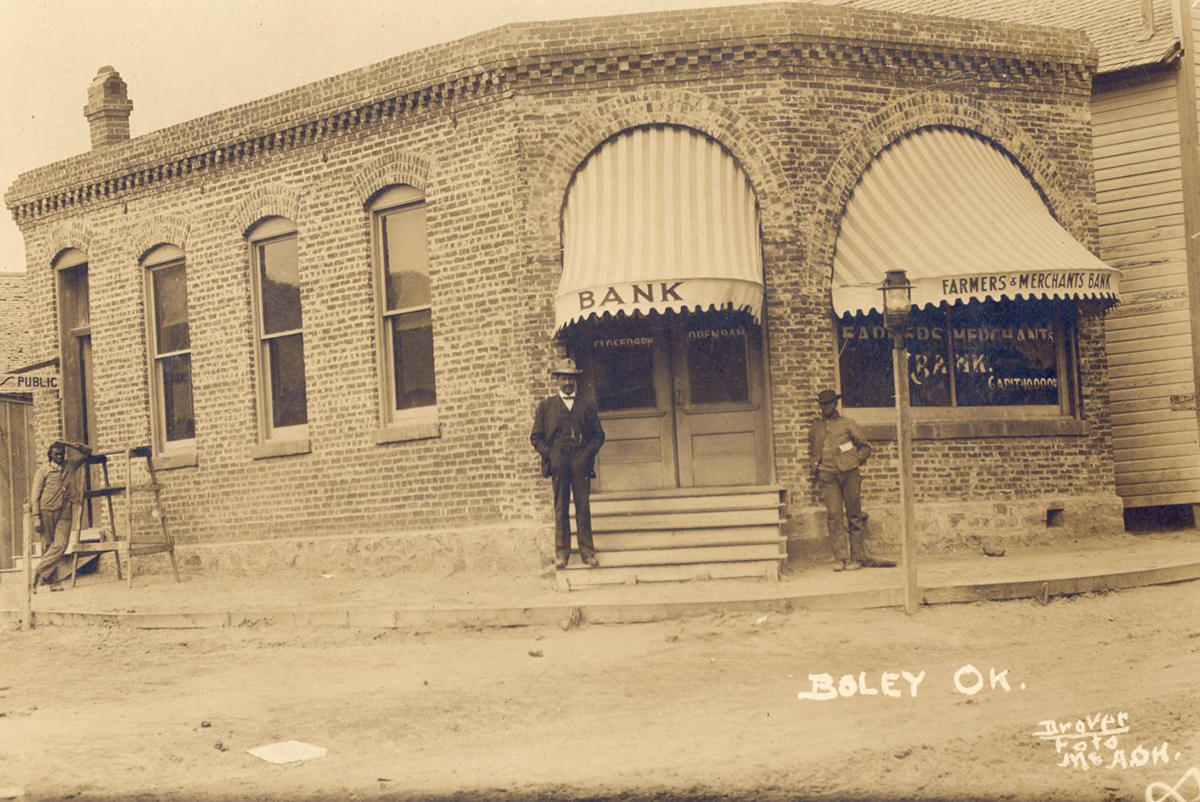
Peter Hanraty — Indian Territory Coal Miners' Labor Rights and Mine Safety (1890s–1907)
Labor

Peter Hanraty — Indian Territory Coal Miners' Labor Rights and Mine Safety (1890s–1907)

Oklahoma

Peter Hanraty (1864–1932), a Scottish-born coal miner and labor organizer, became an influential advocate for workers' rights and mine safety in Indian Territory and early Oklahoma. Having worked in coal mines from childhood, Hanraty understood the dangers of underground mining and the hardships faced by workers and their families. During the 1890s and early 1900s, he helped organize miners against wage reductions, unsafe workplaces, and unfair treatment. His union leadership contributed to improvements in collective bargaining, working hours, and regular wage payments. In 1903, he became the first president of the Twin-Territorial Federation of Labor. He later participated in Oklahoma's 1906–1907 Constitutional Convention and supported laws protecting workers and improving mine safety. His efforts became an important part of Oklahoma's labor reform history.

Read & listen to the story →
peter-hanraty-indian-territory-coal-miners-rights-1890s-1907
Ada Lois Sipuel Fisher — University of Oklahoma Law School Desegregation (1946–1949)
School desegregation

Ada Lois Sipuel Fisher — University of Oklahoma Law School Desegregation (1946–1949)

Oklahoma

In 1946, Ada Lois Sipuel Fisher, a qualified African American applicant, challenged racial segregation at the University of Oklahoma College of Law after being denied admission solely because of her race. Supported by the NAACP and attorneys including Thurgood Marshall and Amos T. Hall, Fisher brought her case through the courts. On January 12, 1948, the United States Supreme Court ruled that Oklahoma must provide her a legal education on equal terms without delay. After the state attempted to maintain segregation through a separate law school, Fisher was finally admitted to the University of Oklahoma on June 18, 1949. Although discriminatory seating and facilities initially remained, her struggle became a major milestone in the fight for racial equality and access to higher education.

Read & listen to the story →
ada-lois-sipuel-fisher-ou-law-desegregation-1946-1949
Toledo Auto-Lite Strike (1934) — Workers' Rights and Labor Organizing
Labor

Toledo Auto-Lite Strike (1934) — Workers' Rights and Labor Organizing

Ohio

In 1934, workers at Toledo's Electric Auto-Lite Company joined a major labor struggle against low wages, anti-union practices, and unfair working conditions during the Great Depression. After initial walkouts in February, a larger strike developed in April when management refused to recognize the workers' union. The Lucas County Unemployed League helped mobilize thousands of supporters despite a court injunction limiting picketing. In May, confrontations between demonstrators, police, and Ohio National Guard troops escalated around the factory. On May 24, Guardsmen fired into the crowd, killing Steve Cyigon and Frank Hubay. The strike ended in June with union recognition and became a significant event in the growth of American industrial unionism and the labor movement.

Read & listen to the story →
toledo-auto-lite-strike-1934
Oberlin–Wellington Rescue (1858) — Racial Equality and Resistance to Slavery
Underground Railroad & abolition

Oberlin–Wellington Rescue (1858) — Racial Equality and Resistance to Slavery

Ohio

On September 13, 1858, Black and white abolitionists from Oberlin and Wellington, Ohio, joined together to rescue John Price, a young man who had escaped slavery in Kentucky. Federal officers and slave catchers seized Price near Oberlin under the Fugitive Slave Act of 1850 and took him to a hotel in Wellington to await transportation south. Hundreds of residents gathered outside the building, and a group entered the hotel and freed Price. He was returned to Oberlin, sheltered by supporters, and is believed to have escaped to Canada. Federal authorities subsequently indicted thirty-seven rescuers, including African American participants. Two men, Charles Langston and Simeon Bushnell, were convicted in 1859. The event became a nationally significant challenge to slavery and the federal government's enforcement of fugitive-slave laws.

Read & listen to the story →
oberlin-wellington-rescue-1858
Pauli Murray Family Home and Civil Rights Legacy
LGBTQ+ rights

Pauli Murray Family Home and Civil Rights Legacy

North Carolina

The Pauli Murray Family Home at 906 Carroll Street in Durham, North Carolina, preserves the childhood residence of Pauli Murray (1910–1985), a pioneering civil rights lawyer, legal scholar, writer, feminist organizer, LGBTQ+ historical figure, and Episcopal priest. Built in 1898 by Murray's grandparents, the house became an important source of family support and personal identity after Murray moved to Durham in 1914. Murray later challenged racial segregation, developed influential legal arguments against both racial and sex discrimination, and helped found the National Organization for Women in 1966. In 1977, Murray became the first African American woman ordained as a priest in the Episcopal Church. Recognized as a National Historic Landmark in 2016, the restored family home now serves as the Pauli Murray Center for History and Social Justice, connecting Murray's legacy to continuing movements for equality.

Read & listen to the story →
pauli-murray-family-home-civil-rights-legacy
Battle of Hayes Pond (1958) — Native American Civil Rights and Resistance to Racial Intimidation
Racial violence & lynching

Battle of Hayes Pond (1958) — Native American Civil Rights and Resistance to Racial Intimidation

North Carolina

On January 18, 1958, hundreds of Lumbee people and supporters gathered near Hayes Pond outside Maxton, North Carolina, to oppose a Ku Klux Klan rally organized by James W. “Catfish” Cole. The Klan had attempted to intimidate the Lumbee community through racist threats and public demonstrations. When the Klansmen assembled for their nighttime rally, they were dramatically outnumbered by Lumbee residents determined to defend their community. During the confrontation, gunfire occurred, the rally dispersed, and the Klansmen fled. Photographs of Lumbee men displaying a captured Klan banner became powerful symbols of resistance to racial intimidation. The Battle of Hayes Pond remains an important event in Native American civil rights history and a demonstration of Lumbee community solidarity.

Read & listen to the story →
battle-of-hayes-pond-1958-lumbee-civil-rights
Tonawanda Seneca Land Rights — Blacksmith v. Fellows (1852–1857)
Indigenous land & water rights

Tonawanda Seneca Land Rights — Blacksmith v. Fellows (1852–1857)

New York

Between 1852 and 1857, the Tonawanda Seneca defended their ancestral lands against attempts by private land purchasers to displace them under disputed treaty claims. After Joseph Fellows forcibly entered John Blacksmith's sawmill property on the Tonawanda Reservation, Blacksmith challenged the intrusion in court. The New York Court of Appeals ruled in Blacksmith's favor in 1852. On March 5, 1857, the United States Supreme Court affirmed, holding that private purchasers had no authority under the treaties to forcibly remove the Seneca. With leadership from Ely S. Parker and other Tonawanda representatives, the community also pursued negotiations that produced a new treaty in November 1857, creating a process for recovering reservation lands through purchase. Their efforts became an important chapter in Indigenous land rights, treaty enforcement, and tribal self-determination.

Read & listen to the story →
tonawanda-seneca-land-rights-blacksmith-v-fellows-1852-1857-d
Kate Mullany House and Collar Laundry Union (1864)
Women's rights

Kate Mullany House and Collar Laundry Union (1864)

New York

In February 1864, Irish immigrant laundry worker Kate Mullany and fellow organizer Esther Keegan helped establish the Collar Laundry Union in Troy, New York. Approximately 200 to 300 women organized against low wages, exhausting workdays, dangerous heat, and injuries caused by newly introduced machinery. Their strike brought higher wages after about a week and demonstrated that women industrial workers could successfully bargain collectively. The union remained active for several years, supporting other labor organizations and promoting women's participation in the labor movement. In 1868, Mullany became one of the first women to hold national labor-union office. Her surviving home at 350 Eighth Street, occupied after the original strike, is now preserved as the Kate Mullany National Historic Site, commemorating this early struggle for women's labor rights.

Read & listen to the story →
kate-mullany-house-collar-laundry-union-1864
Empire Zinc Mine Strike / Salt of the Earth Strike (1950–1952)
Chicano civil rights

Empire Zinc Mine Strike / Salt of the Earth Strike (1950–1952)

New Mexico

On October 17, 1950, predominantly Mexican American miners at the Empire Zinc Company in Hanover, New Mexico, began a strike against unequal wages, discriminatory job assignments, and unsafe working conditions. Organized through Local 890 of the International Union of Mine, Mill, and Smelter Workers, the dispute continued for fifteen months. After a court injunction restricted striking miners from maintaining their picket line in June 1951, their wives and other female relatives stepped forward to continue the protest. Women faced arrests, intimidation, and violence while demanding fair treatment and improved living conditions for working families. A January 1952 agreement brought meaningful wage gains, although not every demand was met. Their struggle later inspired the 1954 film Salt of the Earth and became a landmark of Mexican American labor activism and women's organizing.

Read & listen to the story →
empire-zinc-salt-of-the-earth-strike-1950-1952
Miguel Trujillo and Trujillo v. Garley (1948) — Native American Voting Rights
Native American rights

Miguel Trujillo and Trujillo v. Garley (1948) — Native American Voting Rights

New Mexico

In 1948, Miguel Trujillo, a member of Isleta Pueblo and a World War II veteran, challenged New Mexico's discriminatory voting restrictions after being denied registration in Los Lunas. On August 3, 1948, a federal court ruled in Trujillo v. Garley that the state's exclusion of Native American voters was unconstitutional, marking a major victory for Indigenous voting rights.

Read & listen to the story →
miguel-trujillo-and-trujillo-v-garley-1948----native-american-voting-rights
Paterson Silk Strike (1913) — Workers’ Rights and Immigrant Labor Organizing
Immigrant rights

Paterson Silk Strike (1913) — Workers’ Rights and Immigrant Labor Organizing

New Jersey

In 1913, thousands of silk workers in Paterson, New Jersey, organized a major labor strike against increased workloads, low wages, and long working hours. Beginning with a walkout at the Henry Doherty mill on January 27, the dispute spread across nearly 300 silk mills and dye houses, involving approximately 24,000 workers by late February. The Industrial Workers of the World helped unite immigrant laborers, women, skilled weavers, and dye-house workers in demands for an eight-hour workday, higher wages, and fairer loom assignments. The Pietro and Maria Botto House in nearby Haledon became a central gathering place, where prominent organizers addressed mass rallies. Although the strike ended without securing its main demands in July 1913, it became a significant event in American labor history and immigrant workers' collective organizing.

Read & listen to the story →
paterson-silk-strike-1913
New Jersey Women’s and Free Black Voters’ Disenfranchisement (1807)
Women's suffrage

New Jersey Women’s and Free Black Voters’ Disenfranchisement (1807)

New Jersey

On November 16, 1807, New Jersey lawmakers passed an election law that stripped women and free Black residents of voting rights they had previously exercised under the state's 1776 constitution. The original constitution had allowed eligible adult inhabitants who met property and residency requirements to vote, regardless of whether they were men or women, Black or white. During the 1790s and early 1800s, unmarried and widowed women, along with some free African Americans, participated in elections. Following political disputes and accusations of electoral fraud, the legislature restricted voting to free white male citizens. The law represented a major reversal of early voting equality and illustrates how rights previously recognized by a state could be taken away through legislation.

Read & listen to the story →
new-jersey-women-free-black-voters-disenfranchisement-1807
Alexandria Library Sit-In and Samuel Wilbert Tucker (1939)
Public accommodations desegregation

Alexandria Library Sit-In and Samuel Wilbert Tucker (1939)

Virginia

On August 21, 1939, five African American men staged a peaceful sit-in at Alexandria's segregated public library in Virginia. Organized by civil rights attorney Samuel Wilbert Tucker, William Evans, Otto L. Tucker, Edward Gaddis, Morris Murray, and Clarence Strange requested library cards at the whites-only facility. When refused, each man selected a book and quietly sat down to read. Police arrested all five for disorderly conduct, despite their nonviolent behavior. The protest challenged racial discrimination in publicly supported facilities and became one of America's earliest documented library sit-ins. Instead of immediately integrating the library, Alexandria opened a separate branch for Black residents in 1940. The original library later became accessible to all residents, and the sit-in remains an important milestone in the struggle for equal public services.

Read & listen to the story →
alexandria-library-sit-in-samuel-tucker-1939
North Dakota Commission on the Status of Women (1964–1967) — Women's Employment and Civic Equality
Women's rights

North Dakota Commission on the Status of Women (1964–1967) — Women's Employment and Civic Equality

North Dakota

In 1964, Governor William Guy established the North Dakota Commission on the Status of Women following advocacy by women's professional and educational organizations. Led by chair Agnes Geelan and vice-chair Dagny Olson, the commission investigated unequal employment opportunities, discriminatory laws, and barriers to women's civic participation. Its members gathered statistics, consulted citizens, examined state legislation, and organized a July 1964 conference in Bismarck. Their December report recommended reforms to strengthen women's economic and legal rights. Significant results included a state equal-pay law in 1965 and the repeal of women's exemption from jury service in 1967. Although the commission received no initial operating budget, its research and advocacy helped advance women's employment and civic equality in North Dakota.

Read & listen to the story →
north-dakota-commission-status-women-1964-1967
North Dakota State Capitol Construction Workers' Strike (1933)
Labor

North Dakota State Capitol Construction Workers' Strike (1933)

North Dakota

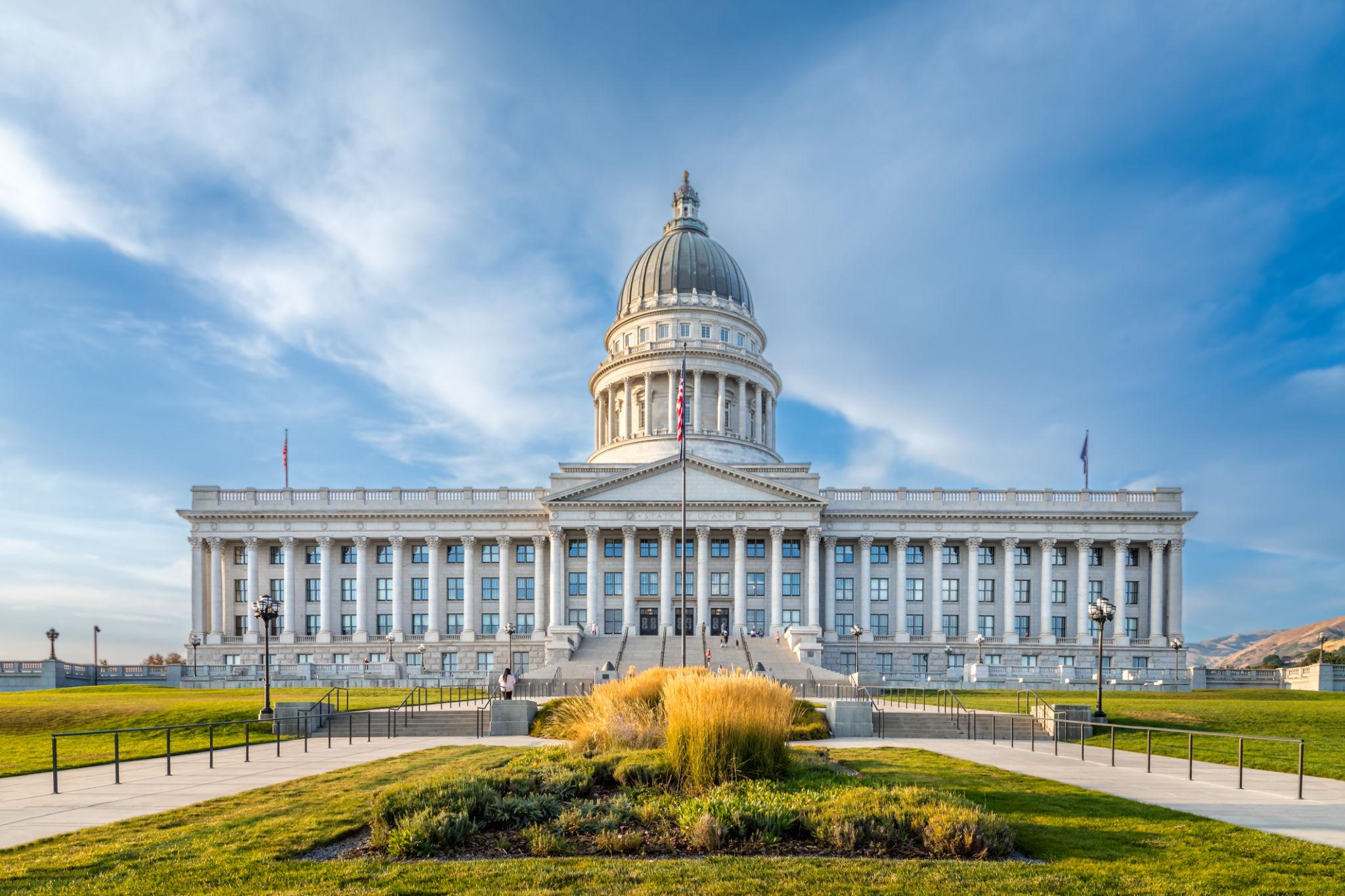
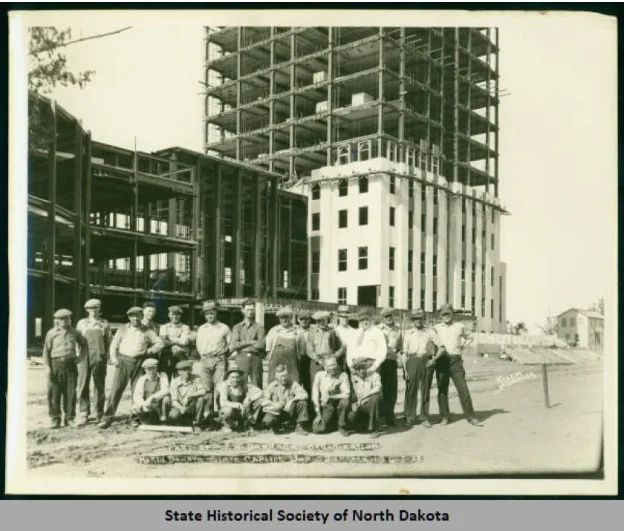
On May 16, 1933, construction laborers working on North Dakota's new State Capitol in Bismarck went on strike to demand fairer wages during the Great Depression. Common laborers earning thirty cents per hour requested an increase to fifty cents, establishing a picket line near the Liberty Memorial Building and halting construction work. Tensions escalated as workers, contractors, and state officials struggled to reach an agreement. On June 1, Governor William Langer declared martial law in Bismarck. The following day, union representatives and contractors negotiated a settlement guaranteeing at least forty cents per hour. The twelve-day work stoppage became an important example of organized labor challenging low wages and demanding better treatment during one of America's most difficult economic periods.

Read & listen to the story →
north-dakota-state-capitol-construction-workers-strike-1933
Pineros y Campesinos Unidos del Noroeste (PCUN) Farmworkers' Rights Movement (1985)
Immigrant rights

Pineros y Campesinos Unidos del Noroeste (PCUN) Farmworkers' Rights Movement (1985)

Oregon

In April 1985, approximately eighty farmworkers and tree planters formed Pineros y Campesinos Unidos del Noroeste (PCUN), a labor organization based in Woodburn, Oregon. Growing out of the Willamette Valley Immigration Project, PCUN united primarily Latino immigrant workers seeking protection from low wages, unsafe conditions, discrimination, and exploitation by labor contractors. Early organizers included Cipriano Ferrel, Ramón Ramírez, and other workers and advocates. The union supported immigration assistance, pesticide-safety campaigns, wage recovery, collective bargaining rights, and workplace organizing. Its later campaigns included the 1991 farmworker strike and the NORPAC boycott. PCUN became an important force for workers' rights, racial equality, and Latino community leadership throughout Oregon's Willamette Valley.

Read & listen to the story →
pcun-farmworkers-rights-movement-1985
Klamath Tribes Federal Recognition Restoration (1986) — Tribal Sovereignty and Indigenous Rights
Native American rights

Klamath Tribes Federal Recognition Restoration (1986) — Tribal Sovereignty and Indigenous Rights

Oregon

On August 27, 1986, the Klamath Tribes of southern Oregon regained federal recognition through the Klamath Indian Tribe Restoration Act, Public Law 99-398. The Klamath, Modoc, and Yahooskin peoples had endured decades of hardship after Congress terminated their federal trust relationship in 1954, disrupting government services, communal land ownership, and tribal economic security. Through persistent organizing, advocacy, and legal action, tribal leaders defended treaty rights and demanded restoration of their government-to-government relationship with the United States. Although the 1986 law restored federal recognition, eligibility for federal services, and many legal protections, it did not return the former reservation lands. The restoration marked an important victory for Indigenous self-determination, cultural survival, and tribal sovereignty in Oregon.

Read & listen to the story →
klamath-tribes-federal-recognition-restoration-1986
Garrity v. Gallen / Laconia State School Disability Rights Lawsuit (1978–1991)
Disability rights

Garrity v. Gallen / Laconia State School Disability Rights Lawsuit (1978–1991)

New Hampshire

On April 12, 1978, six residents of New Hampshire's Laconia State School and Training Center filed a landmark federal civil rights lawsuit challenging inadequate education, staffing, treatment, and services for people with intellectual and developmental disabilities. In Garrity v. Gallen, the plaintiffs argued that state officials had failed to protect residents' rights. Following a lengthy trial, a federal judge ruled in 1981 that the institution had violated disability discrimination and education laws, ordering individualized service plans and institutional reforms. The case helped accelerate New Hampshire's movement toward community-based disability services. On January 31, 1991, Laconia State School closed, marking a significant milestone in the history of disability rights and the movement away from large state institutions.

Read & listen to the story →
garrity-v-gallen-laconia-state-school-1978-1991
1779 Petition for the Abolition of Slavery — Prince Whipple and Other Enslaved Petitioners
Slavery & abolition

1779 Petition for the Abolition of Slavery — Prince Whipple and Other Enslaved Petitioners

New Hampshire

On November 12, 1779, a group of twenty enslaved men in Portsmouth, New Hampshire, signed a remarkable petition calling for the abolition of slavery. Among them were Prince Whipple and Winsor Moffatt. Drawing upon the revolutionary ideals of liberty, equality, natural rights, and human dignity, they challenged the contradiction between America's fight for independence and the continued enslavement of African people. The New Hampshire legislature considered their petition on April 25, 1780, but took no effective action to end slavery. Although their immediate appeal failed, the petition became an important early expression of Black political activism and the struggle for racial equality in America. New Hampshire formally revisited the petitioners' claims through posthumous emancipation legislation in 2013.

Read & listen to the story →
1779-new-hampshire-abolition-petition-prince-whipple
Catherine Wolfe Donohue and the Ottawa Radium Girls (1922–1939)
Workers' rights

Catherine Wolfe Donohue and the Ottawa Radium Girls (1922–1939)

Illinois

Beginning in 1922, young women at Ottawa's Radium Dial Company painted luminous clock and watch faces using radioactive paint. Workers were instructed to shape their brushes with their lips, unknowingly ingesting radium that caused severe illness, bone damage, and deaths. Catherine Wolfe Donohue became a leading voice in the campaign for compensation and safer working conditions. After an unsuccessful legal effort in 1935, the women pursued their case before the Illinois Industrial Commission in 1937. They won a compensation award in 1938, although Donohue died that July. In October 1939, the United States Supreme Court declined to hear the company's final appeal. Their struggle became an important milestone in women's labor rights and occupational health protections.

Read & listen to the story →
catherine-wolfe-donohue-ottawa-radium-girls
Project 500 and Black Student Sit-In (1968) — Racial and Educational Equality
Marches & sit-ins

Project 500 and Black Student Sit-In (1968) — Racial and Educational Equality

Illinois

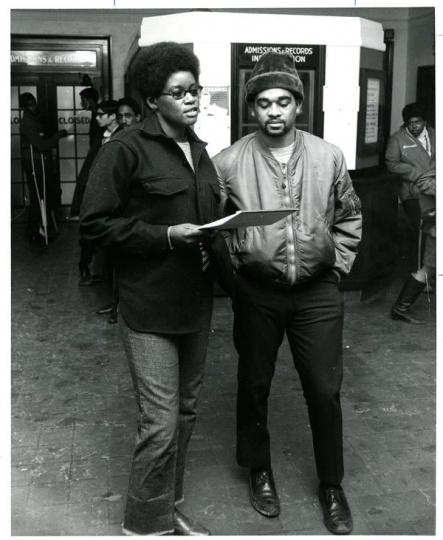
In September 1968, students at the University of Illinois Urbana-Champaign challenged racial inequality through a major protest connected to Project 500, a new initiative designed to expand educational opportunities for disadvantaged students. Although the program brought 565 additional African American and Latino students to campus, inadequate housing, delayed transportation, and confusion over promised financial aid created frustration. On September 9–10, students gathered at the Illini Union in protest. Police arrested approximately 240–252 people, according to differing university historical accounts. The confrontation helped strengthen Black student organizing and prompted demands for fair treatment, meaningful institutional support, Black cultural programming, and African American studies. Project 500 became an important turning point in the university's history of educational access and racial equality.

Read & listen to the story →
project-500-black-student-sit-in-1968
Carrie and Mary Dann — Western Shoshone Land Rights Struggle (1960s–2010)
Indigenous land & water rights

Carrie and Mary Dann — Western Shoshone Land Rights Struggle (1960s–2010)

Nevada

Carrie and Mary Dann, two Western Shoshone sisters from Crescent Valley, Nevada, became nationally and internationally recognized advocates for Indigenous land rights and tribal sovereignty. Beginning in the 1970s, they challenged federal grazing restrictions and government claims to Western Shoshone ancestral territory, arguing that their people had never surrendered ownership under the 1863 Treaty of Ruby Valley. Their struggle reached the United States Supreme Court in 1985 and the Inter-American Commission on Human Rights, which issued a significant ruling in 2002 concerning Indigenous property rights and legal protections. The sisters' decades of activism helped bring international attention to Native American land ownership, treaty rights, and self-determination.

Read & listen to the story →
carrie-mary-dann-western-shoshone-land-rights
Goldfield Miners' Labor Strikes (1906–1907) — Workers' Rights and Labor Organizing
Labor

Goldfield Miners' Labor Strikes (1906–1907) — Workers' Rights and Labor Organizing

Nevada

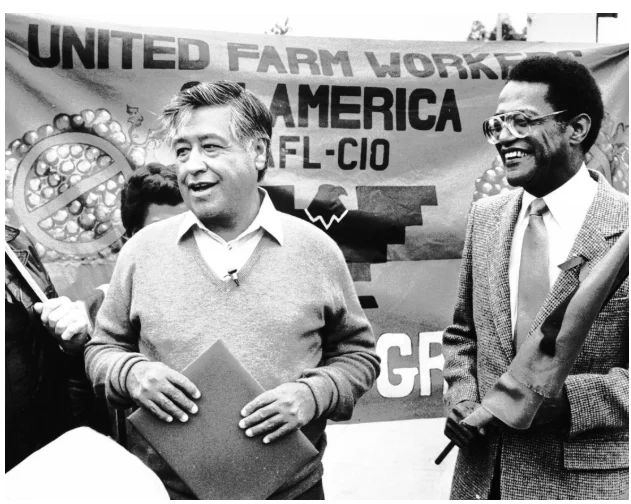
Between 1906 and 1907, miners and other workers in Goldfield, Nevada, organized major labor strikes demanding fair wages, shorter working hours, and stronger union protections. The Western Federation of Miners and the Industrial Workers of the World worked together to organize miners, restaurant employees, construction laborers, and other workers. Their collective action helped establish the eight-hour workday and secure wage increases across Goldfield. However, conflicts with mine owners intensified during the economic crisis of 1907. Federal troops arrived in December after Nevada officials requested military assistance. The Goldfield labor struggles became an important chapter in American workers' rights history, demonstrating both the achievements and challenges of early industrial union organizing.
Read & listen to the story →
goldfield-miners-labor-strikes-1906-1907
Ponca Tribe of Nebraska — Federal Recognition Restoration (1990): Native American Rights and Tribal Sovereignty
Native American rights

Ponca Tribe of Nebraska — Federal Recognition Restoration (1990): Native American Rights and Tribal Sovereignty

Nebraska

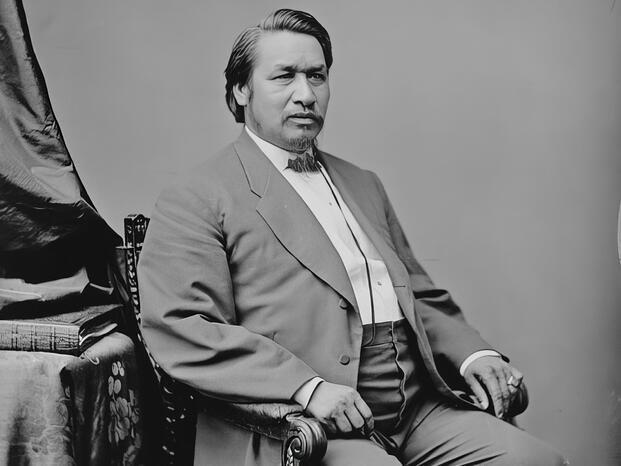
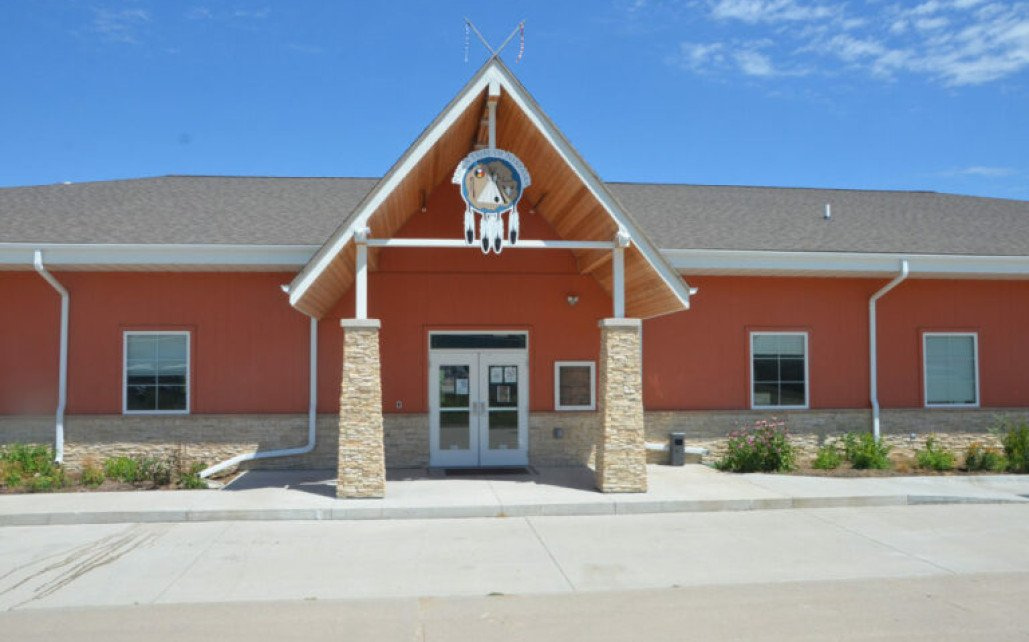
On October 31, 1990, the Ponca Tribe of Nebraska regained federal recognition after more than two decades without federally recognized tribal status. Congress had enacted legislation terminating the Tribe's federal relationship in 1962, and termination was completed in 1966. Tribal members organized a restoration movement, securing Nebraska state recognition in 1988 and congressional approval of the Ponca Restoration Act in 1990. Signed by President George H. W. Bush, the law restored important tribal rights and access to federal programs while recognizing the Ponca Tribe's governmental status. The restoration became a major achievement in the struggle for Native American rights, cultural preservation, and tribal sovereignty.

Read & listen to the story →
ponca-tribe-nebraska-federal-recognition-restoration-1990
Omaha Bus Boycott and the De Porres Club (1952–1954) — Racial Equality and Employment Rights
Labor

Omaha Bus Boycott and the De Porres Club (1952–1954) — Racial Equality and Employment Rights

Nebraska

From 1952 to 1954, civil rights activists in Omaha, Nebraska, organized a bus and streetcar boycott to challenge racial discrimination in employment. The De Porres Club, supported by Omaha Star publisher Mildred Brown and Catholic priest Father John Markoe, protested the Omaha and Council Bluffs Street Railway Company's refusal to employ African American drivers. Activists distributed leaflets, organized picketing, encouraged alternative transportation, and used the Black press to mobilize the community. Their sustained campaign helped end the company's discriminatory hiring policy in 1954, demonstrating the power of organized nonviolent protest before the better-known Montgomery Bus Boycott.

Read & listen to the story →
omaha-bus-boycott-de-porres-club-1952-1954
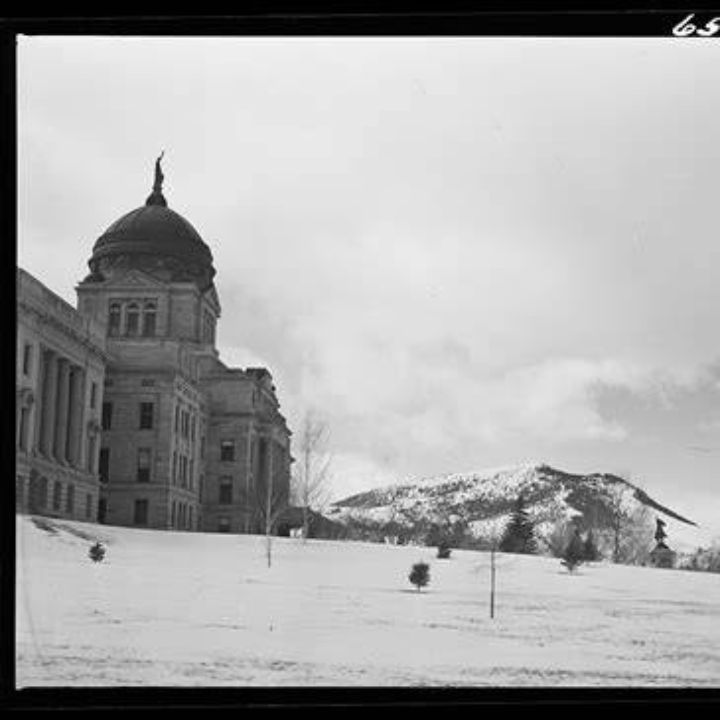
Elouise Pepion Cobell and the Native American Trust Fund Lawsuit (1996–2009) — Indigenous Financial and Property Rights
Judicial civil rights enforcement

Elouise Pepion Cobell and the Native American Trust Fund Lawsuit (1996–2009) — Indigenous Financial and Property Rights

Montana

Elouise Pepion Cobell, a Blackfeet banker and Native American rights advocate from Montana, launched a landmark class-action lawsuit in 1996 challenging the federal government's mismanagement of Individual Indian Money trust accounts. These accounts held income generated from Native American lands, including grazing, timber, and mineral leases. After thirteen years of litigation, the federal government agreed to a $3.4 billion settlement in December 2009. Cobell's determined advocacy helped bring national attention to Indigenous property rights, financial accountability, and the federal government's responsibilities to Native American landowners.

Read & listen to the story →
elouise-pepion-cobell-native-american-trust-fund-lawsuit
Butte Women's Protective Union (1890) — Women's Workers' Rights and Labor Organizing
Women's rights

Butte Women's Protective Union (1890) — Women's Workers' Rights and Labor Organizing

Montana

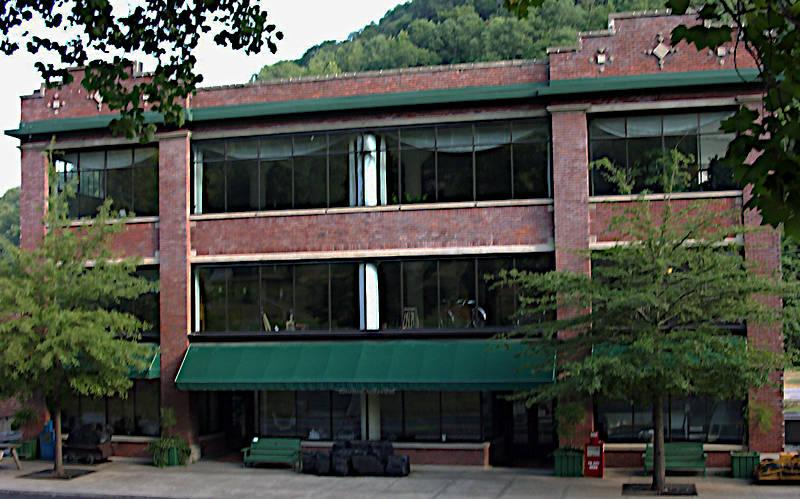
In June 1890, thirty-three working women in Butte, Montana, founded the Women's Protective Union to secure better wages, reasonable hours, and workplace protections. The union represented waitresses, cooks, maids, laundresses, and other service workers in the mining city. It helped establish a ten-hour workday by 1903 and later secured eight-hour shifts, overtime pay, sick leave, and paid vacations. Members organized strikes, provided education, and supported broader labor reforms. By 1955, membership reached 1,149. The historic Carpenters' Union Hall, built in 1906, later housed the union and preserves an important part of Butte's labor history.

Read & listen to the story →
butte-womens-protective-union-1890
Phoenix Society for Individual Freedom and Phoenix House (1966–1968)
LGBTQ+ Rights

Phoenix Society for Individual Freedom and Phoenix House (1966–1968)

Missouri

Founded in Kansas City, Missouri, on March 13, 1966, the Phoenix Society for Individual Freedom became a pioneering Midwestern organization advocating social, legal, and economic equality for gay and lesbian people. Led by activist Drew Shafer, the society published The Phoenix magazine, organized community meetings, and distributed civil rights literature through national homophile networks. In 1968, it established Phoenix House at 1333 East Linwood Boulevard, providing meeting rooms, a lending library, publishing facilities, and temporary support for people facing isolation or rejection. The society also cooperated with religious leaders and public health officials to address discrimination. Although the organization disbanded in 1971, its community-building, publications, and advocacy helped establish foundations for the modern LGBTQ+ rights movement in Kansas City and the American Midwest.

Read & listen to the story →
phoenix-society-phoenix-house-kansas-city-1966-1968
Funsten Nut Company Workers' Strike (1933) — Black Women's Labor and Wage Equality
Labor

Funsten Nut Company Workers' Strike (1933) — Black Women's Labor and Wage Equality

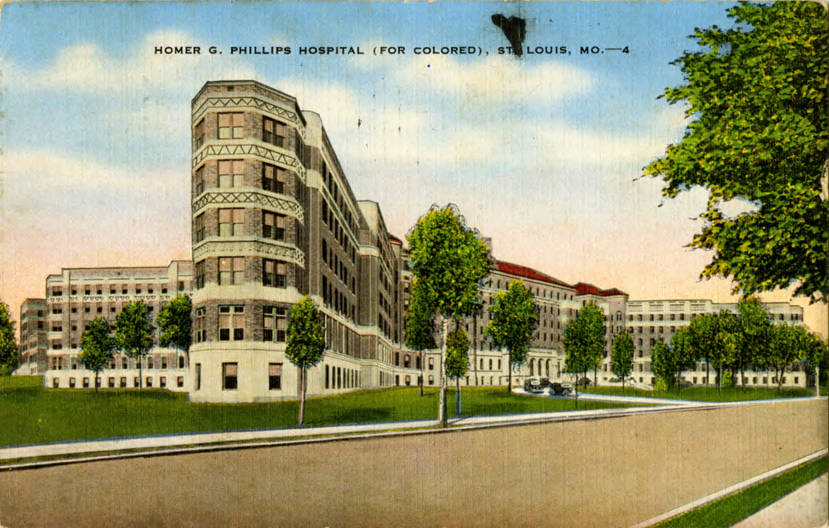
Missouri

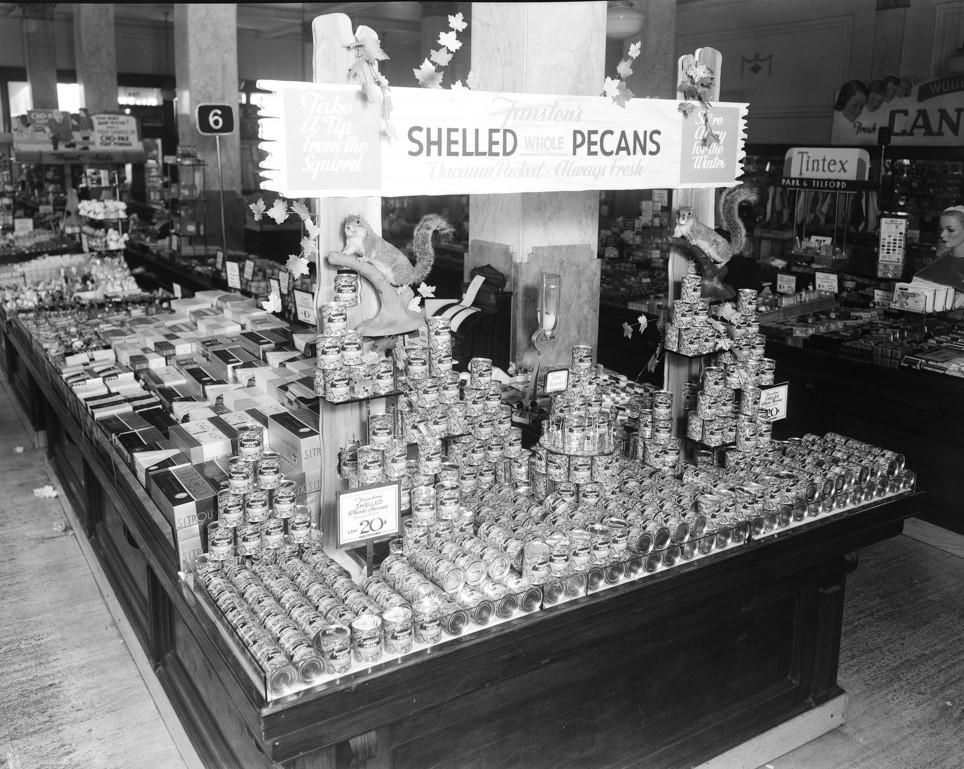
On May 15, 1933, predominantly African American women employed by the R. E. Funsten Nut Company in St. Louis launched a major strike for living wages, racial pay equality, and better factory conditions. Led by workers including Carrie Smith and Cora Lewis, the action spread among the company's pecan-processing plants, with more than one thousand workers participating. Supported by the Food Workers Industrial Union and community activists, the women confronted police arrests, management resistance, and severe Depression-era poverty. Negotiations involving Mayor Bernard F. Dickmann's administration produced an agreement in late May, substantially increasing wages and reducing racial pay disparities, although formal union recognition remained unresolved. The strike became a landmark example of Black women's leadership in labor organizing and economic justice.

Read & listen to the story →
funsten-nut-workers-strike-1933
Delta Pride Catfish Workers' Strike (1990) — Black Women's Labor Rights
Labor

Delta Pride Catfish Workers' Strike (1990) — Black Women's Labor Rights

Mississippi

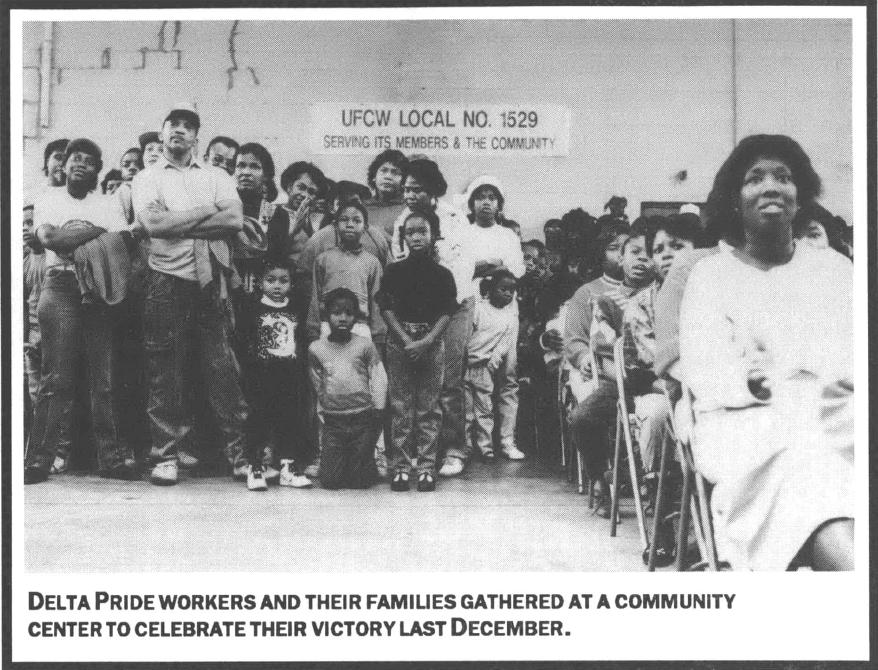
In September 1990, more than 900 predominantly African American employees of Delta Pride Catfish in Mississippi's Delta region launched a thirteen-week strike over low wages, unsafe working conditions, and harsh management practices. Organized through United Food and Commercial Workers Local 1529, workers at Indianola and associated processing facilities demanded fair compensation, protection from repetitive-motion injuries, and greater respect on the job. Black women, including organizers Sarah White, Rose Turner, and Mary Young, helped transform the dispute into a wider campaign for economic justice. Churches, civil rights organizations, and supporters nationwide assisted with food, fundraising, and a product boycott. The December settlement provided wage increases, provisions for returning strikers, and worker participation in health and safety oversight. The struggle linked labor organizing with Mississippi's civil rights legacy.

Read & listen to the story →
delta-pride-catfish-workers-strike-1990
Tougaloo Nine Library Read-In (1961) — Jackson Public Library Desegregation
Public accommodations desegregation

Tougaloo Nine Library Read-In (1961) — Jackson Public Library Desegregation

Mississippi

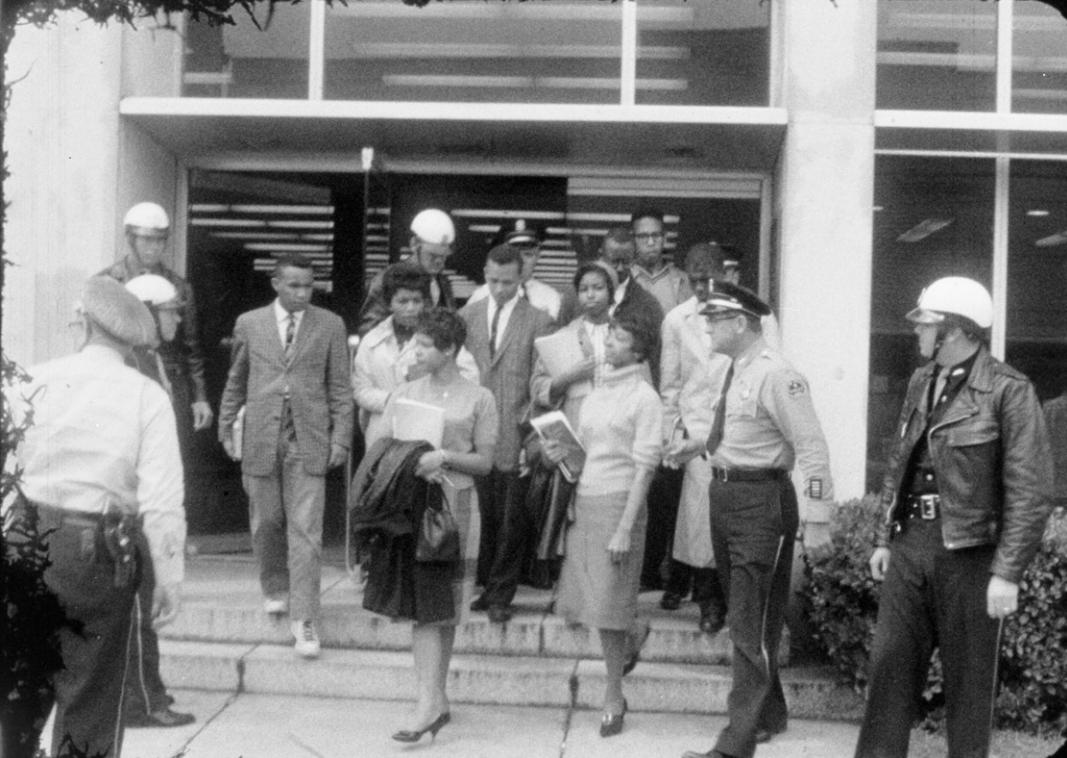
On March 27, 1961, nine African American students from Tougaloo Southern Christian College challenged racial segregation at the whites-only Jackson Municipal Library in Mississippi. Members of the NAACP's North Jackson Youth Council, the students entered the public library, requested research materials, and quietly began reading. When police ordered them to leave for the segregated George Washington Carver Library, they refused and were arrested for disturbing the peace. Held for approximately thirty-two hours, the Tougaloo Nine later received fines and suspended jail sentences. Their demonstration inspired student protests and helped advance the movement to desegregate public facilities in Mississippi. The original library building at 301 North State Street survives, and a Mississippi Freedom Trail marker commemorates their historic stand for equal access to knowledge.

Read & listen to the story →
tougaloo-nine-library-read-in-1961
Morrill Hall Takeover at the University of Minnesota (1969)
Marches & sit-ins

Morrill Hall Takeover at the University of Minnesota (1969)

Minnesota

On January 14–15, 1969, approximately seventy Black students from the Afro-American Action Committee occupied Morrill Hall at the University of Minnesota in Minneapolis to challenge racial inequality in higher education. The twenty-four-hour protest followed months of demands for an Afro-American Studies department, improved educational opportunities, financial support for a Black student conference, and community involvement in scholarship administration. Led by activists including Rose Mary Freeman and Horace Huntley, the students negotiated an agreement with university officials that contributed directly to the establishment of the Department of Afro-American Studies in fall 1969. The demonstration also encouraged new student-support initiatives. Morrill Hall, the original campus administration building where the occupation occurred, remains a significant landmark of African American student activism and educational reform.

Read & listen to the story →
morrill-hall-takeover-minnesota-1969
AIM Patrol (1968) — Minneapolis Native American Civil Rights and Police Accountability
Native American rights

AIM Patrol (1968) — Minneapolis Native American Civil Rights and Police Accountability

Minnesota

In August 1968, members of the newly established American Indian Movement organized AIM Patrol in Minneapolis, Minnesota, to challenge police brutality and discrimination against Native American residents. Formed during an August 19 meeting, the volunteer patrol operated along East Franklin Avenue in the Phillips neighborhood. Wearing recognizable red clothing and using radios, cameras, and recording equipment, patrollers monitored police encounters, assisted residents, and helped prevent conflicts from escalating. AIM leaders reported substantial reductions in arrests, although their figures were not independently verified. The patrol also connected community members with legal assistance and supported local events. Its work became an early example of Indigenous-led civilian oversight, community protection, and self-determination during the modern Native American civil rights movement.

Read & listen to the story →
aim-patrol-minneapolis-1968
United States v. Michigan (1979) — Great Lakes Treaty Fishing Rights
Indigenous land & water rights

United States v. Michigan (1979) — Great Lakes Treaty Fishing Rights

Michigan

On May 7, 1979, the United States District Court for the Western District of Michigan affirmed the treaty-reserved fishing rights of the Bay Mills Indian Community and Sault Ste. Marie Tribe of Chippewa Indians. In United States v. Michigan, Judge Noel P. Fox ruled that the 1836 Treaty of Washington preserved tribal rights to fish commercially and for subsistence in specified Great Lakes waters despite conflicting state regulations. Filed in 1973, the lawsuit challenged Michigan's restrictions on Native American fishing and reaffirmed the continuing force of federal treaties. The decision influenced tribal fisheries management and later agreements, including consent decrees adopted in 1985, 2000, and 2023. It remains a major milestone in Indigenous sovereignty, cultural continuity, and natural-resource rights.

Read & listen to the story →
united-states-v-michigan-treaty-fishing-rights-1979
East Lansing LGBTQ+ Employment Anti-Discrimination Breakthrough (1972)
LGBTQ+ rights

East Lansing LGBTQ+ Employment Anti-Discrimination Breakthrough (1972)

Michigan

On March 7, 1972, East Lansing, Michigan, made American civil rights history when its City Council approved a policy prohibiting discrimination against applicants for municipal jobs on the basis of homosexuality. The decision followed organizing by Michigan State University's Gay Liberation Movement, including activist Don Gaudard, who pressed officials to protect LGBTQ+ workers. Council records identify a four-to-one vote supporting the change. Although the policy did not extend to private employment or housing, it is widely recognized as the nation's first municipal protection of this kind. East Lansing subsequently expanded its civil rights rules, including employment provisions adopted in 1973. The City's 1965 City Hall on Abbot Road offers a historical civic reference for this breakthrough in LGBTQ+ employment equality.

Read & listen to the story →
east-lansing-lgbtq-employment-protection-1972
Lowell Mill Girls' Labor Strikes (1834–1836)
Labor

Lowell Mill Girls' Labor Strikes (1834–1836)

Massachusetts

In 1834 and 1836, women textile workers in Lowell, Massachusetts, organized major labor protests against reductions in their earnings. In February 1834, about 800 women walked out after mill owners imposed a 12.5 percent wage cut and dismissed organizer Julia Wilson. Although that protest failed to reverse the reduction, the workers developed experience in collective action. In October 1836, approximately 1,500 to 2,000 women struck after increased boardinghouse charges reduced their take-home pay. Supported by the Factory Girls' Association, they secured concessions from several companies, including Boott and Merrimack. These early strikes advanced women's labor organizing and economic independence. The preserved Boott Cotton Mills complex, now part of Lowell National Historical Park, interprets their industrial history and struggle for fair treatment.

Read & listen to the story →
lowell-mill-girls-labor-strikes-1834-1836
Elizabeth Freeman (Mum Bett) — Brom and Bett v. Ashley Freedom Suit (1781)
Slavery & abolition

Elizabeth Freeman (Mum Bett) — Brom and Bett v. Ashley Freedom Suit (1781)

Massachusetts

In August 1781, Elizabeth Freeman, then known as Bett or Mum Bett, and an enslaved man named Brom won a landmark freedom lawsuit against Colonel John Ashley of Sheffield, Massachusetts. Represented by attorneys Theodore Sedgwick and Tapping Reeve, they challenged their enslavement under the Massachusetts Constitution of 1780, which declared that all men were born free and equal. The Berkshire County Court of Common Pleas in Great Barrington found that Ashley had no lawful claim to enslave them and awarded damages. The case contributed to the legal dismantling of slavery in Massachusetts and demonstrated how an enslaved Black woman could use constitutional principles to demand freedom. The surviving Colonel John Ashley House in Sheffield preserves the history of Freeman's enslavement and resistance.

Read & listen to the story →
elizabeth-freeman-brom-bett-ashley-1781
Still Pond Women's Municipal Voting Rights Breakthrough (1908)
Women's suffrage

Still Pond Women's Municipal Voting Rights Breakthrough (1908)

Maryland

On May 2, 1908, three women—Mary Jane Clark Howard, Anne Baker Maxwell, and Lillie Deringer Kelley—cast ballots in Still Pond's municipal election in Kent County, Maryland. The town's new charter granted voting rights to male and female resident taxpayers aged twenty-one and older. Fourteen women registered, including two African American women, marking an important early step toward political equality. Although women had voted in an Annapolis bond election in 1900, Still Pond became a pioneering example of women participating in regular municipal elections before the Nineteenth Amendment of 1920. A historical marker commemorates their achievement.

Read & listen to the story →
still-pond-womens-municipal-voting-rights-1908
Crisfield Crab Pickers' Strike (1938) — African American Women's Labor Rights
Labor

Crisfield Crab Pickers' Strike (1938) — African American Women's Labor Rights

Maryland

From April 6 to May 10, 1938, approximately 600 crab pickers, predominantly African American women, organized a five-week strike in Crisfield, Maryland. The workers protested a reduction in crab-picking wages and demanded recognition of their labor union. Shiloh United Methodist Church provided a gathering place and refuge while organizers faced intimidation, attacks on their homes, and violence. Despite severe opposition, the women secured an agreement restoring their pay to 35 cents per gallon of crabmeat and recognizing their union. A Maryland historical marker unveiled in 2024 honors their contribution to workers' rights, women's labor organizing, and racial equality.

Read & listen to the story →
crisfield-crab-pickers-strike-1938
Pineland Center Disability Rights Lawsuit / Wuori v. Zitnay (1975–1978)
Disability rights

Pineland Center Disability Rights Lawsuit / Wuori v. Zitnay (1975–1978)

Maine

On July 3, 1975, residents of Pineland Center in New Gloucester, Maine, filed a federal class-action lawsuit challenging institutional conditions and inadequate services for people with developmental disabilities. The case, originally known as Wuori v. Zitnay, sought protections for residents' safety, education, treatment, and opportunities to live in less restrictive settings. On July 14, 1978, a federal court approved a consent decree requiring improved institutional standards, individualized care planning, and expanded community-based programs. The agreement became an important milestone in Maine's disability rights movement. Pineland Center closed in 1996, and its former campus has since been repurposed.

Read & listen to the story →
pineland-center-wuori-v-zitnay-1975-1978
Wabanaki Native American Voting Rights Breakthrough (1954–1967)
Native American rights

Wabanaki Native American Voting Rights Breakthrough (1954–1967)

Maine

In 1954, Maine removed a major barrier preventing Wabanaki citizens living on reservations from voting in federal elections. Although the Indian Citizenship Act of 1924 had recognized Native Americans as United States citizens, Maine continued excluding reservation residents from the ballot. Penobscot activists including Lucy Nicolar Poolaw, Florence Shay, and veteran Charles Norman Shay challenged this discrimination. In 1955, Poolaw cast a widely documented historic ballot. Native residents gained access to state elections in 1967, completing another important stage in the struggle for equal political participation. A historical marker on Indian Island honors Poolaw's advocacy and the larger campaign for Indigenous voting rights.

Read & listen to the story →
wabanaki-native-american-voting-rights-1954-1967
Baton Rouge Bus Boycott (1953) — Racial Equality and Public Transportation Rights
Marches & sit-ins

Baton Rouge Bus Boycott (1953) — Racial Equality and Public Transportation Rights

Louisiana

In June 1953, African American residents of Baton Rouge, Louisiana, organized a groundbreaking boycott against segregated public buses. After state officials overturned a city ordinance allowing Black passengers greater access to empty seats, Rev. T. J. Jemison and the United Defense League organized a mass protest beginning June 19. Thousands of Black passengers stopped riding city buses and used volunteer carpools instead. The boycott placed enormous financial pressure on the bus company and ended with a limited seating compromise that preserved segregation. Despite its incomplete victory, the protest became an important model for the 1955 Montgomery Bus Boycott and the broader Civil Rights Movement.

Read & listen to the story →
baton-rouge-bus-boycott-1953
Thibodaux Massacre and Louisiana Sugar Workers' Strike (1887)
Racial violence & lynching

Thibodaux Massacre and Louisiana Sugar Workers' Strike (1887)

Louisiana

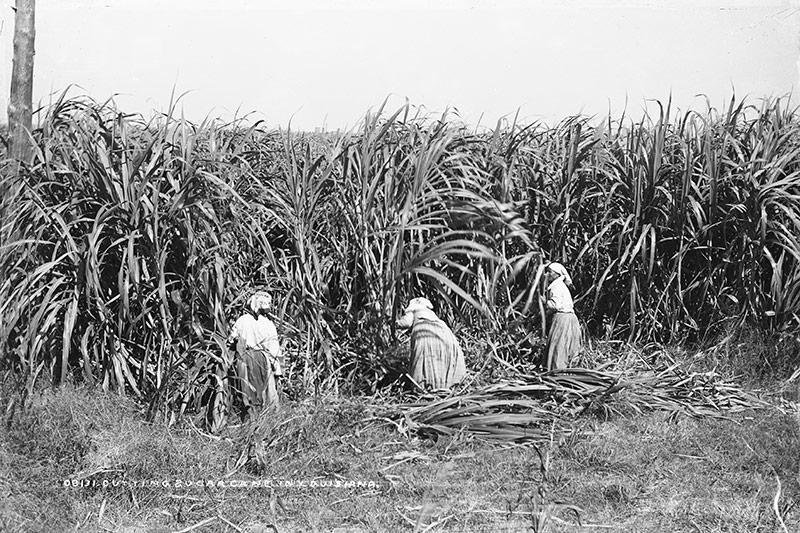
In November 1887, approximately 10,000 sugar plantation workers in southern Louisiana launched a strike demanding fairer wages and cash payments instead of plantation store scrip. Organized with the Knights of Labor, the strike affected several sugar-producing parishes. After workers and their families were evicted from plantation housing, many gathered in Thibodaux. Around November 22–23, armed white vigilantes attacked African American workers and residents, killing dozens. The exact death toll remains disputed. The Thibodaux Massacre exposed the violent suppression of Black labor organizing after emancipation and remains an important chapter in American labor and civil rights history.

Read & listen to the story →
thibodaux-massacre-louisiana-sugar-strike-1887
Nugent House — Georgia and Alice Nugent's Black Women's Suffrage Activism (1919–1920s)
Women's suffrage

Nugent House — Georgia and Alice Nugent's Black Women's Suffrage Activism (1919–1920s)

Kentucky

In June 1919, African American suffragists Georgia and Alice Nugent purchased a home at 845 South 6th Street in Louisville, Kentucky. The house became a gathering place for Black women's civic organizations advocating voting rights, educational opportunities, racial equality, and community welfare. The sisters helped lead Louisville's Woman's Improvement Club and the Kentucky Association of Colored Women's Clubs. Their organizing continued through the ratification of the Nineteenth Amendment in 1920, when many Black women still faced racial barriers to voting. The Nugent House was added to the National Register of Historic Places in 2020, preserving the legacy of their advocacy.

Read & listen to the story →
nugent-house-georgia-alice-nugent-womens-suffrage
Harlan County Coal Miners' Strike (1931–1932) — Workers' Rights and Labor Organizing
Labor

Harlan County Coal Miners' Strike (1931–1932) — Workers' Rights and Labor Organizing

Kentucky

In 1931–1932, coal miners and their families in Harlan and Bell Counties, Kentucky, struggled against low wages, unemployment, evictions, and opposition to labor unions. The conflict escalated on May 5, 1931, when a gun battle near Evarts left four people dead. After the United Mine Workers of America withdrew support, the National Miners Union helped some miners continue organizing and obtain relief. Violence and intimidation attracted national attention, including an investigation by prominent writers whose findings appeared in Harlan Miners Speak in 1932. The strikes became an important chapter in Appalachian labor history and the struggle for collective bargaining rights.

Read & listen to the story →
ishimwe-k-kentucky
harlan-county-coal-miners-strike-1931-1932
Susanna Madora Salter — First Woman Elected Mayor in the U.S. (1887)
Women's suffrage

Susanna Madora Salter — First Woman Elected Mayor in the U.S. (1887)

Kansas

On April 4, 1887, Susanna Madora Salter became the first woman elected mayor in the United States when voters in Argonia, Kansas, gave her approximately two-thirds of the vote. Just weeks after Kansas women gained municipal voting rights, local men placed her name on the ballot as a joke intended to embarrass women involved in politics. Instead, voters elected the 27-year-old civic leader. Salter served a one-year term and demonstrated women's ability to hold elected office. Her preserved home in Argonia commemorates this important milestone in women's political equality and American history.

Read & listen to the story →
tara-m-kansas
susanna-madora-salter-first-woman-mayor-1887
Amazon Army Women's Labor Protest (1921) — Workers' Rights and Women's Organizing
Women's rights

Amazon Army Women's Labor Protest (1921) — Workers' Rights and Women's Organizing

Kansas

On December 12–14, 1921, thousands of women from coal-mining families marched through southeast Kansas to support striking miners and challenge restrictions on organized labor. Beginning near Franklin, the wives, mothers, sisters, and daughters of miners blocked entrances to coal mines and confronted replacement workers. Known nationally as the "Amazon Army," the movement protested poor wages, difficult living conditions, and Kansas's Court of Industrial Relations system. Governor Henry J. Allen mobilized the National Guard to restore order. The protests became an important example of women's leadership in labor organizing and the struggle for workers' rights.

Read & listen to the story →
tara-m-kansas
amazon-army-womens-labor-protest-1921
Arabella Mansfield — First Woman Admitted to the U.S. Bar (1869)
Women's rights

Arabella Mansfield — First Woman Admitted to the U.S. Bar (1869)

Iowa

On June 15, 1869, Arabella “Belle” Babb Mansfield became the first woman admitted to the practice of law in the United States after passing the Iowa bar examination in Mount Pleasant. Although Iowa's licensing law specified white male applicants, Judge Francis Springer interpreted the law to permit her admission. Mansfield had prepared through legal study in her brother's office and demonstrated exceptional knowledge before the examiners. Iowa removed the discriminatory statutory language in 1870. Mansfield went on to become an educator and women's suffrage advocate, helping advance women's professional opportunities and political equality. A historical marker in Mount Pleasant commemorates her legacy.

Read & listen to the story →
jordyn-v-iowa
arabella-mansfield-first-woman-us-bar-1869
Meskwaki Nation's Historic Land Reclamation (1857) — Tribal Sovereignty
Indigenous land & water rights

Meskwaki Nation's Historic Land Reclamation (1857) — Tribal Sovereignty

Iowa

On July 13, 1857, the Meskwaki Nation reclaimed part of its ancestral homeland by purchasing 80 acres of land in Tama County, Iowa, for $1,000. After forced removal to Kansas in the 1840s, Meskwaki families continued returning to Iowa and secured state permission to reside there in 1856. Their land purchase established the foundation of the Meskwaki Settlement, a community built through tribal ownership rather than a conventional federally established reservation. Over time, the Nation expanded its landholdings and strengthened its self-government. Today, the 1857 purchase is commemorated annually as Meskwaki Nation Day, honoring Indigenous resilience, land rights, and tribal sovereignty.

Read & listen to the story →
jordyn-v-iowa
meskwaki-nation-historic-land-reclamation-1857
J. Chester and Elizabeth Allen — Civil Rights Campaign (1939–1950)
Judicial civil rights enforcement

J. Chester and Elizabeth Allen — Civil Rights Campaign (1939–1950)

Indiana

In 1939, African American attorneys J. Chester and Elizabeth Fletcher Allen established a law practice in South Bend, Indiana, and became influential advocates for civil rights. Elizabeth worked with the NAACP, challenged discriminatory housing and educational practices, and created a Red Cross nurse's aide training and placement program for Black women. Elected to the Indiana legislature in 1938 and 1940, J. Chester fought employment discrimination and expanded access to wartime defense jobs. He also helped lead the campaign to desegregate the Engman Public Natatorium in 1950. A historical marker at their former law office honors their contributions to racial equality.

Read & listen to the story →
emmett-d-indiana
j-chester-elizabeth-allen-civil-rights-south-bend
Union Literary Institute (1846) — Biracial Education and Underground Railroad
School desegregation

Union Literary Institute (1846) — Biracial Education and Underground Railroad

Indiana

Founded in 1846 by free African Americans and antislavery Quakers in Randolph County, Indiana, the Union Literary Institute provided education to Black and white students of both sexes at a time when Black children were excluded from Indiana's public schools. Students could work four hours daily in exchange for room and board. The institute also served as a refuge on the Underground Railroad, offering shelter and educational opportunities to people escaping slavery. Its legacy includes notable students James S. Hinton and Hiram Revels. A state historical marker now commemorates this pioneering institution near Union City.

Read & listen to the story →
emmett-d-indiana
union-literary-institute-1846-biracial-education
Dr. C. K. Ah Fong — Medical Licensing Discrimination Challenge (1899)
Anti-Asian violence and immigrant rights

Dr. C. K. Ah Fong — Medical Licensing Discrimination Challenge (1899)

Idaho

In 1899, Dr. Cheuck “C. K.” Ah Fong, a Chinese physician serving patients in Boise, Idaho, challenged the State Board of Medical Examiners after being denied permission to continue practicing medicine. His case arose amid anti-Chinese discrimination and restrictive licensing laws. On January 24, 1900, the Idaho Supreme Court reversed a lower court ruling and ordered further proceedings. Historical accounts indicate that Ah Fong ultimately received his medical license in 1901, becoming the first Chinese physician fully licensed in Idaho. His struggle represents an important chapter in Chinese American civil rights and professional equality.

Read & listen to the story →
julia-b-idaho
dr-ck-ah-fong-medical-licensing-discrimination-1899
Driggs Mexican Farmworkers' Pea Pickers Strike (1935) — Labor Rights and Racial Equality
Chicano civil rights

Driggs Mexican Farmworkers' Pea Pickers Strike (1935) — Labor Rights and Racial Equality

Idaho

In August 1935, approximately 1,500 Mexican and Mexican American pea pickers in Teton Valley near Driggs, Idaho, went on strike over low wages and unfair labor practices. Workers challenged a payment system offering seventy cents per hundred pounds of peas plus a conditional fifteen-cent bonus, demanding a guaranteed dollar per hundred pounds instead. After tensions between workers, growers, and local authorities escalated, Governor C. Ben Ross deployed the Idaho National Guard. Troops detained and removed strike participants, bringing the walkout to an end without the workers securing their demands. The strike remains an important chapter in Mexican American labor organizing and agricultural workers' civil rights in Idaho.

Read & listen to the story →
julia-b-idaho
driggs-mexican-pea-pickers-strike-1935
Farrington v. Tokushige (1927) — Japanese-Language School and Parental Education Rights
Japanese American incarceration

Farrington v. Tokushige (1927) — Japanese-Language School and Parental Education Rights

Hawaii

In 1927, the U.S. Supreme Court ruled in Farrington v. Tokushige that Hawaii's restrictive regulations on private Japanese-language schools infringed the constitutional rights of parents and school operators. The decision protected Japanese American families' freedom to direct their children's education and helped preserve their language and cultural heritage.

Read & listen to the story →
celeste-k-hawaii
farrington-v-tokushige-1927-japanese-language-school-rights
1946 Hawaiʻi Sugar Strike — Multiethnic Plantation Workers' Rights
Labor

1946 Hawaiʻi Sugar Strike — Multiethnic Plantation Workers' Rights

Hawaii

On September 1, 1946, approximately 26,000 sugar plantation workers across Hawaiʻi began a 79-day strike organized by the International Longshore and Warehouse Union (ILWU). Workers from Filipino, Japanese, Chinese, Native Hawaiian, Portuguese, and other communities united to demand higher wages, fair working conditions, and an end to discriminatory plantation practices. The strike shut down 33 of the territory's 34 sugar plantations. Through picket lines, community kitchens, and family support networks, workers sustained their movement until a November settlement secured significant gains. The 1946 strike transformed labor relations and strengthened multiethnic solidarity in Hawaiʻi.

Read & listen to the story →
celeste-k-hawaii
1946-hawaii-sugar-strike-plantation-workers-rights
The Leesburg Stockade Girls (1963) — Youth Civil Rights Protest and Detention
Marches & sit-ins

The Leesburg Stockade Girls (1963) — Youth Civil Rights Protest and Detention

Georgia

In July 1963, African American girls participating in civil rights demonstrations in Americus, Georgia, were arrested and taken to the Leesburg Stockade in Lee County. Some were as young as twelve. The girls were detained without formal charges in an overcrowded cell with inadequate water, sanitation, and bedding, while their families initially did not know where they were held. Photographer Danny Lyon of the Student Nonviolent Coordinating Committee documented their conditions, and the resulting national publicity helped secure their release in September 1963. A Georgia Civil Rights Trail marker now honors their courage and contributions to the struggle against segregation.

Read & listen to the story →
emma-a-georgia
leesburg-stockade-girls-1963-civil-rights
Primus E. King — Georgia White Primary Voting Rights Challenge (1944–1946)
Voting rights

Primus E. King — Georgia White Primary Voting Rights Challenge (1944–1946)

Georgia

On July 4, 1944, Primus E. King, an African American barber, minister, and registered voter in Columbus, Georgia, attempted to vote in the Democratic primary at the Muscogee County Courthouse. Election officials denied him a ballot solely because of his race. Supported by civil rights organizer Dr. Thomas H. Brewer and local attorneys, King challenged the exclusion in federal court. On October 12, 1945, the court ruled in his favor, and the Fifth Circuit Court of Appeals upheld the decision on March 6, 1946. The case helped end Georgia's all-white Democratic primaries and advance African American voting rights.

Read & listen to the story →
emma-a-georgia
primus-e-king-georgia-white-primary-voting-rights
Johns Committee Investigations (1956–1965) — LGBTQ+ Rights and Academic Freedom
First Amendment rights

Johns Committee Investigations (1956–1965) — LGBTQ+ Rights and Academic Freedom

Florida

From 1956 to 1965, Florida's Johns Committee investigated civil rights activists, students, and educators accused of subversive activities. Beginning in 1958, the committee targeted suspected gay students and faculty at the University of Florida in Gainesville. Investigators conducted surveillance and interrogations that led to the departure of at least 15 professors and more than 50 students. In 1964, the committee published the controversial report Homosexuality and Citizenship in Florida, known as the Purple Pamphlet. Public criticism contributed to the committee's dissolution in 1965. The investigations remain an important chapter in LGBTQ+ rights, civil liberties, and academic freedom.

Read & listen to the story →
isabella-m-florida
johns-committee-investigations-1956-1965
Fellsmere Women's Voting Rights Breakthrough (1915)
Women's suffrage

Fellsmere Women's Voting Rights Breakthrough (1915)

Florida

In 1915, Fellsmere became the first municipality in Florida to grant women equal voting rights in local elections. Residents approved a town charter containing a provision for women's suffrage, and Governor Park Trammell signed the incorporation law on May 12, 1915. That June, Zena M. Dreier became the first woman recorded to vote in a Fellsmere municipal election, years before the Nineteenth Amendment was ratified nationally. A historical marker on North Broadway commemorates this breakthrough in women's voting rights and Fellsmere's role in the wider suffrage movement.

Read & listen to the story →
isabella-m-florida
fellsmere-womens-voting-rights-1915
Aumiller v. University of Delaware (1977) — LGBTQ+ Free Speech and Employment Rights
Free speech

Aumiller v. University of Delaware (1977) — LGBTQ+ Free Speech and Employment Rights

Delaware

On June 21, 1977, a federal court ruled in favor of Richard B. Aumiller, a gay theater lecturer at the University of Delaware, after university officials declined to renew his contract because of public comments about homosexuality. Aumiller had served as faculty advisor to the campus Gay Community and spoken to newspapers about LGBTQ+ issues. In 1975, one of those interviews took place in his office in Mitchell Hall. The court found that the nonrenewal violated his First Amendment right to free expression. The case became an important victory for LGBTQ+ advocacy, academic freedom, and public employees' speech rights.

Read & listen to the story →
zanthia-o-delaware
aumiller-v-university-of-delaware-1977
Belton v. Gebhart / Bulah v. Gebhart (1951–1952) — School Desegregation
School desegregation

Belton v. Gebhart / Bulah v. Gebhart (1951–1952) — School Desegregation

Delaware

In 1951, African American families in Claymont and Hockessin, Delaware, challenged unequal public education in the cases Belton v. Gebhart and Bulah v. Gebhart. Ethel Louise Belton and other students sought admission to Claymont High School, while Sarah Bulah fought for her daughter Shirley's access to a better school and equal transportation. On April 1, 1952, Chancellor Collins J. Seitz ordered the Black students admitted to formerly white schools because their existing educational facilities were unequal. The Delaware Supreme Court upheld the ruling. These cases became Delaware's contribution to the landmark 1954 Brown v. Board of Education decision.

Read & listen to the story →
zanthia-o-delaware
belton-bulah-v-gebhart-delaware-school-desegregation
Connecticut Gay Rights Law — Public Act 91-58 (1991)
LGBTQ+ rights

Connecticut Gay Rights Law — Public Act 91-58 (1991)

Connecticut

On May 1, 1991, Connecticut Governor Lowell P. Weicker Jr. signed Public Act 91-58, prohibiting discrimination based on sexual orientation in employment, housing, public accommodations, and credit. The law followed eighteen years of campaigning, legislative defeats, and demonstrations by LGBTQ+ civil rights advocates. In 1987 and 1989, supporters protested at the Connecticut State Capitol after proposed protections failed. The 1991 legislation made Connecticut one of the earliest states to establish statewide sexual-orientation anti-discrimination protections, marking an important milestone in the struggle for LGBTQ+ equality.

Read & listen to the story →
charlie-s-connecticut
connecticut-gay-rights-law-public-act-91-58-1991
Prudence Crandall Museum / Canterbury Female Boarding School (1833–1834)
Slavery & abolition

Prudence Crandall Museum / Canterbury Female Boarding School (1833–1834)

Connecticut

In April 1833, educator Prudence Crandall reopened the Canterbury Female Boarding School in Connecticut for Black girls, following the admission of Sarah Harris the previous year. The school challenged racial discrimination in education and attracted students from several states. Local opponents organized boycotts, and Connecticut passed the 1833 Black Law restricting the education of out-of-state Black students. Crandall was arrested and prosecuted, but continued teaching. After a violent mob attack in September 1834, the school closed. The original building is now the Prudence Crandall Museum, preserving this landmark struggle for racial and educational equality.

Read & listen to the story →
charlie-s-connecticut
prudence-crandall-museum-canterbury-boarding-school
Colorado Women's Suffrage Referendum (1893) — Women's Voting Rights
Women's suffrage

Colorado Women's Suffrage Referendum (1893) — Women's Voting Rights

Colorado

On November 7, 1893, Colorado voters approved a landmark referendum granting women the right to vote in state elections. The measure passed with 35,798 votes in favor and 29,551 opposed, making Colorado the first U.S. state to adopt women's suffrage through a popular referendum. Activists including Carrie Chapman Catt, Ellis Meredith, and Minnie J. Reynolds supported a statewide campaign of speeches, newspaper articles, and community organizing. A historical marker at 17th and California Streets in Denver commemorates the earlier women's suffrage association whose organizing helped lay the foundations for this victory.

Read & listen to the story →
christa-t-colorado
colorado-womens-suffrage-referendum-1893
Gang of 19 — Denver Accessible Bus Protest (1978)
Marches & sit-ins

Gang of 19 — Denver Accessible Bus Protest (1978)

Colorado

On July 5–6, 1978, nineteen disability rights activists known as the Gang of 19 blocked two Regional Transportation District buses at Colfax Avenue and Broadway in Denver, Colorado. Members of the Atlantis Community demanded wheelchair-accessible public transportation, chanting "We will ride!" during a roughly 24-hour protest. Their direct action drew public attention to discrimination against people with disabilities and helped secure commitments to improve bus accessibility. The protest became an influential milestone in the American independent living and disability rights movements, helping inspire the nationwide organizing efforts of ADAPT.

Read & listen to the story →
christa-t-colorado
gang-of-19-denver-accessible-bus-protest-1978
Ed Roberts & Center for Independent Living (1972) — Disability Rights
Disability rights

Ed Roberts & Center for Independent Living (1972) — Disability Rights

California

In 1972, disability rights activist Ed Roberts and fellow advocates established the Center for Independent Living in Berkeley, California. Growing out of the University of California, Berkeley's Physically Disabled Students Program, the center promoted independent living, accessibility, equal opportunities, and control over personal decisions for people with disabilities. Organized and operated by disabled people themselves, it became a model for independent living centers across the United States and internationally. Today, the Ed Roberts Campus preserves this legacy by providing accessible space for disability services and advocacy organizations.

Read & listen to the story →
isabella-h-california
ed-roberts-center-for-independent-living-1972
Wheatland Hop Riot (1913) — Agricultural Workers' Rights
Labor

Wheatland Hop Riot (1913) — Agricultural Workers' Rights

California

On August 3, 1913, a confrontation between striking agricultural workers and law enforcement at the Durst Hop Ranch near Wheatland, California, left four people dead and many injured. Thousands of migrant hop pickers had faced low wages, overcrowded camps, inadequate drinking water, and unsanitary living conditions. Workers supported by the Industrial Workers of the World demanded improvements, but their protests escalated into violence. The Wheatland Hop Riot brought statewide attention to the treatment of farm laborers and helped prompt investigations, labor camp reforms, and greater awareness of agricultural workers' rights.

Read & listen to the story →
isabella-h-california
wheatland-hop-riot-1913-agricultural-workers-rights
Desegregation of Hoxie Schools (1955) — Educational Equality
School desegregation

Desegregation of Hoxie Schools (1955) — Educational Equality

Arkansas

On July 11, 1955, twenty-one African American children attended previously all-white public schools in Hoxie, Arkansas, following a unanimous decision by the local school board to end segregation. Superintendent K. E. Vance supported integration as morally right, legally required, and financially practical. Although classes initially proceeded peacefully, national publicity brought segregationist protests, boycotts, and threats. The school board defended integration in federal court, securing an injunction against interference and a favorable appeals court ruling in October 1956. Hoxie's stand became an important early victory for educational equality in Arkansas.

Read & listen to the story →
eddie-g-arkansas
desegregation-of-hoxie-schools-1955
Southern Tenant Farmers Union / Southern Tenant Farmers Museum (1934)
Labor

Southern Tenant Farmers Union / Southern Tenant Farmers Museum (1934)

Arkansas

In July 1934, seven Black and eleven white tenant farmers and sharecroppers formed the Southern Tenant Farmers Union near Tyronza, Arkansas. The interracial organization challenged unfair cotton payments, evictions, and the exploitation of agricultural workers during the Great Depression. Organizers H. L. Mitchell and Clay East used their businesses in Tyronza as the union's early headquarters. Despite intimidation and violence, the union expanded and became an important forerunner of later civil rights and farm labor movements. Today, the restored Mitchell-East Building houses the Southern Tenant Farmers Museum, which opened in 2006.

Read & listen to the story →
eddie-g-arkansas
southern-tenant-farmers-union-museum-1934
George Washington Carver High School — Phillips v. Phoenix Union High Schools (1953)
School desegregation

George Washington Carver High School — Phillips v. Phoenix Union High Schools (1953)

Arizona

In 1952, African American families challenged school segregation in Phoenix, Arizona, after three Black students were denied admission to Phoenix Union High School. Attorneys Hayzel B. Daniels and Herbert B. Finn brought Phillips v. Phoenix Union High Schools and Junior College District to court. On February 9, 1953, Judge Fred C. Struckmeyer Jr. ruled that the district's racial segregation was illegal. The decision came more than a year before Brown v. Board of Education. George Washington Carver High School, built in 1926 as a segregated school for Black students, closed in 1954 following desegregation.

Read & listen to the story →
juni-s-arizona
carver-high-school-phillips-v-phoenix-union-1953
Harrison v. Laveen (1948) — Native American Voting Rights
Voting rights

Harrison v. Laveen (1948) — Native American Voting Rights

Arizona

On July 15, 1948, the Arizona Supreme Court issued its landmark decision in Harrison v. Laveen, advancing Native American voting rights. Frank Harrison and Harry Austin, members of the Fort McDowell tribal community, had challenged Maricopa County Recorder Roger G. Laveen after he refused to register them to vote. The court overturned its 1928 ruling that had treated reservation Indians as people under guardianship and therefore ineligible to vote. The victory removed a major legal barrier, although discriminatory literacy tests and other obstacles continued.

Read & listen to the story →
juni-s-arizona
harrison-v-laveen-1948-native-american-voting-rights
Tillie Paul Tamaree and Charlie Jones — 1922–1923 Voting Rights Case
Voting rights

Tillie Paul Tamaree and Charlie Jones — 1922–1923 Voting Rights Case

Alaska

On November 7, 1922, Tlingit leader Charlie Jones was initially denied the right to vote in Wrangell, Alaska. Fellow Tlingit educator and activist Tillie Paul Tamaree challenged the election officials and helped Jones cast his ballot. Both were subsequently prosecuted, with Jones accused of illegal voting and perjury and Tamaree charged with inducing an Alaska Native to vote. In October 1923, attorney William Paul, Tamaree's son, successfully defended Jones in Ketchikan. The jury found Jones not guilty, and the charges against Tamaree were dismissed, marking an important victory in the fight for Alaska Native voting rights.

Read & listen to the story →
harley-g-alaska
tillie-paul-tamaree-charlie-jones-voting-rights-1922-1923
Unangax̂ (Aleut) WWII Evacuation and Internment — Funter Bay (1942–1945)
Indigenous rights

Unangax̂ (Aleut) WWII Evacuation and Internment — Funter Bay (1942–1945)

Alaska

In June 1942, the U.S. government forcibly evacuated Unangax̂ (Aleut) communities from Alaska's Aleutian and Pribilof Islands during World War II. Residents of St. Paul and St. George arrived at Funter Bay on June 24, 1942, and were confined in an abandoned cannery and a former gold mine camp. Inadequate housing, poor sanitation, illness, and limited medical care caused great suffering and loss of life. The Funter Bay camps became significant sites in the history of Indigenous civil rights, wartime displacement, and the struggle for federal accountability.

Read & listen to the story →
harley-g-alaska
unangax-aleut-wwii-evacuation-internment-funter-bay
Poarch Band of Creek Indians — School Equality and Federal Recognition
School desegregation

Poarch Band of Creek Indians — School Equality and Federal Recognition

Alabama

The Poarch Band of Creek Indians in southern Alabama fought racial discrimination and unequal educational opportunities while preserving their identity as a Native American community. In 1949, the Poarch Consolidated School provided segregated education only through sixth grade. Community members successfully pressed local authorities to provide transportation so Creek children could continue to junior high and high school. Under leaders including Calvin McGhee and Eddie L. Tullis, the Tribe also pursued federal recognition, achieved on August 11, 1984. Their history represents an important struggle for Indigenous educational equality, tribal sovereignty, and civil rights.

Read & listen to the story →
regina-b-alabama
poarch-band-creek-indians-school-equality-federal-recognition
Wyatt v. Stickney (1970–1972) — Disability Rights at Bryce Hospital
Disability rights

Wyatt v. Stickney (1970–1972) — Disability Rights at Bryce Hospital

Alabama

In 1970, patients at Bryce Hospital in Tuscaloosa, Alabama, became the focus of Wyatt v. Stickney, a landmark disability rights lawsuit. The case challenged inadequate care and institutional conditions. In 1971 and 1972, federal judge Frank M. Johnson Jr. ruled that involuntarily committed patients had a right to adequate treatment and established minimum standards for humane conditions, qualified staffing, and individualized care. The case helped transform legal protections for people with mental illnesses and developmental disabilities.

Read & listen to the story →
regina-b-alabama
wyatt-v-stickney-disability-rights-bryce-hospital
Kohler Workers' Strike and Labor Rights Conflict (1934)
Labor

Kohler Workers' Strike and Labor Rights Conflict (1934)

Wisconsin

On July 16, 1934, workers at the Kohler Company in Kohler, Wisconsin, began a strike demanding independent union recognition and collective bargaining rights. On July 27, a violent confrontation between strikers and armed deputies left two workers dead and 47 wounded. The dispute continued until April 1941, when the company agreed to rehire striking workers without recognizing their union. The strike became a significant event in Wisconsin's labor rights history.

Read & listen to the story →
stella-k-wisconsin
kohler-workers-strike-and-labor-rights-conflict-1934
Black Thursday and the Oshkosh 94 Student Protest (1968)
Marches & sit-ins

Black Thursday and the Oshkosh 94 Student Protest (1968)

Wisconsin

On November 21, 1968, 94 African American students at Wisconsin State University–Oshkosh protested racial discrimination by entering the university president's offices in Dempsey Hall. The students demanded equal treatment, more Black faculty, and better educational opportunities. The protest led to arrests and disciplinary expulsions and suspensions. Known as "Black Thursday," this event became an important chapter in the struggle for racial and educational equality in Wisconsin.

Read & listen to the story →
stella-k-wisconsin
black-thursday-oshkosh-94-student-protest-1968
Mary McLeod Bethune Council House National Historic Site — African American Women's Rights and the Fight for Equal Opportunities in Washington, DC
Women's rights

Mary McLeod Bethune Council House National Historic Site — African American Women's Rights and the Fight for Equal Opportunities in Washington, DC

District of Columbia

This historic townhouse was the home of civil rights leader Mary McLeod Bethune and the first national headquarters of the National Council of Negro Women. It became an important place where Black women organized to fight discrimination and improve education, employment, and voting opportunities.

Read & listen to the story →
mary-mcleod-bethune-council-house
U Street — The 1968 Civil Rights Uprising and the Fight for Racial Equality in Washington, DC
Racial violence & urban unrest

U Street — The 1968 Civil Rights Uprising and the Fight for Racial Equality in Washington, DC

District of Columbia

The intersection of 14th and U Streets NW became an important site of civil unrest after the assassination of Martin Luther King Jr. in April 1968. The events reflected anger over racism and unequal treatment and led to years of rebuilding in one of Washington's most important African American neighborhoods.

Read & listen to the story →
u-street-1968-civil-rights-uprising
Cedar Hill: Frederick Douglass House — African American Property Rights, Women's Equality, and the Fight Against Racial Discrimination in Washington, DC
Women's suffrage

Cedar Hill: Frederick Douglass House — African American Property Rights, Women's Equality, and the Fight Against Racial Discrimination in Washington, DC

District of Columbia

Cedar Hill was the home of Frederick Douglass, a formerly enslaved man who became a leading advocate for African American civil rights and women's voting rights. He lived here during his later years, continuing his work for equal rights while many Black Americans faced growing discrimination.

Read & listen to the story →
cedar-hill-frederick-douglass-house
U.S. Capitol — Passage of the Civil Rights Act of 1964 and the Fight Against Racial Segregation in Washington, DC
Judicial civil rights enforcement

U.S. Capitol — Passage of the Civil Rights Act of 1964 and the Fight Against Racial Segregation in Washington, DC

District of Columbia

The U.S. Capitol is the historic building where Congress passed the Civil Rights Act of 1964, a major law that challenged racial segregation and discrimination. The law helped protect equal treatment in public places, schools, and employment across the United States.

Read & listen to the story →
us-capitol-civil-rights-act-1964
Spirit of Freedom Statue — Honoring African American Civil War Soldiers and the Fight to End Slavery in Washington, DC
Slavery & abolition

Spirit of Freedom Statue — Honoring African American Civil War Soldiers and the Fight to End Slavery in Washington, DC

District of Columbia

The Spirit of Freedom Statue honors African American soldiers and sailors who fought for the Union during the Civil War and helped end slavery. Dedicated in 1998, the memorial recognizes their important role in the fight for freedom and equal rights.

Read & listen to the story →
spirit-of-freedom-statue
The Lincoln Theatre — African American Cultural Equality and the Fight Against Segregation in Washington, DC
Public accommodations desegregation

The Lincoln Theatre — African American Cultural Equality and the Fight Against Segregation in Washington, DC

District of Columbia

The Lincoln Theatre is a historic performance venue that provided entertainment and cultural opportunities for African Americans during racial segregation. Opened in 1922, it became an important part of Washington's Black Broadway and helped celebrate Black music, artists, and community life.

Read & listen to the story →
lincoln-theatre
Charles Sumner School — African American Educational Equality and the Fight Against Segregated Schools in Washington, DC
School desegregation

Charles Sumner School — African American Educational Equality and the Fight Against Segregated Schools in Washington, DC

District of Columbia

The Charles Sumner School is one of Washington's oldest surviving public school buildings built for African American students after the Civil War. Opened in 1872, it helped expand educational opportunities for Black children and became an important part of the fight for equal education.

Read & listen to the story →
charles-sumner-school
Black Lives Matter Plaza — The 2020 Racial Justice Protests and the Fight Against Police Brutality in Washington, DC
Racial Justice & Civil Rights

Black Lives Matter Plaza — The 2020 Racial Justice Protests and the Fight Against Police Brutality in Washington, DC

District of Columbia

Black Lives Matter Plaza was a historic protest site near the White House where a large yellow street mural supported the fight against racism and police brutality. Created during the 2020 racial justice protests, the mural was removed in March 2025, but the location remains important to the history of the civil rights movement.

Read & listen to the story →
black-lives-matter-plaza
The True Reformer Building — African American Economic Independence and the Fight Against Racial Discrimination in Washington, DC
Welfare rights & economic justice

The True Reformer Building — African American Economic Independence and the Fight Against Racial Discrimination in Washington, DC

District of Columbia

The True Reformer Building is a historic building that became an important center for African American businesses and community organizations during segregation. Completed in 1903, it showed how Black Americans could build successful institutions despite racial discrimination.

Read & listen to the story →
true-reformer-building
Whitelaw Hotel — African American Housing Equality and the Fight Against Segregation in Washington, DC
Public accommodations desegregation

Whitelaw Hotel — African American Housing Equality and the Fight Against Segregation in Washington, DC

District of Columbia

The Whitelaw Hotel was one of Washington's first high-quality hotels built by and for African Americans during racial segregation. It provided Black travelers with a welcoming place to stay when many other hotels refused to serve them.

Read & listen to the story →
whitelaw-hotel
Duke Ellington Residence — African American Cultural Equality and the Fight Against Racial Segregation in Washington, DC
African American Music & Cultural History

Duke Ellington Residence — African American Cultural Equality and the Fight Against Racial Segregation in Washington, DC

District of Columbia

This historic rowhouse was the childhood home of Duke Ellington, one of America's most important jazz musicians. His career helped bring greater recognition to African American music and culture during a time of racial segregation.

Read & listen to the story →
duke-ellington-residence
Alain Locke Residence — African American Cultural Equality and the Harlem Renaissance
African American Cultural History & Civil Rights

Alain Locke Residence — African American Cultural Equality and the Harlem Renaissance

District of Columbia

This historic house was the home of Alain Locke, an important Black educator and writer who helped shape the Harlem Renaissance. His work encouraged Americans to respect Black culture, art, and equal opportunity.

Read & listen to the story →
alain-locke-residence
Alma Thomas Residence
African American Art & Education

Alma Thomas Residence

District of Columbia

The Alma Thomas Residence at 1530 15th Street NW in Washington, DC, was the longtime home and studio of pioneering African American artist and educator Alma Thomas. She became Howard University's first fine arts graduate and developed colorful abstract paintings that earned national recognition.

Read & listen to the story →
alma-thomas-residence
A. Philip Randolph Statue at Union Station and the 1941 March on Washington Movement
Marches & sit-ins

A. Philip Randolph Statue at Union Station and the 1941 March on Washington Movement

District of Columbia

Union Station has a bronze statue of A. Philip Randolph, who planned a huge march on Washington in 1941 to fight job discrimination. The threat of that march led President Roosevelt to ban discrimination in defense jobs. Copy Text

Read & listen to the story →
a-philip-randolph-statue-union-station
The First Gay Rights Picket at the White House (April 17, 1965)
LGBTQ+ Rights

The First Gay Rights Picket at the White House (April 17, 1965)

District of Columbia

On April 17, 1965, a small group led by Frank Kameny walked a picket line in front of the White House to protest the federal government's discrimination against gay employees. It is widely considered the first organized gay rights picket at the White House. Copy Text

Read & listen to the story →
first-gay-rights-picket-white-house-1965
Martin Luther King Jr. Memorial
Civil Rights Movement

Martin Luther King Jr. Memorial

District of Columbia

The Martin Luther King Jr. Memorial in Washington, DC honors the life and legacy of Dr. Martin Luther King Jr. and his contributions to the American civil rights movement.

Read & listen to the story →
martin-luther-king-jr-memorial
The 1975 Menominee Warrior Society Occupation of the Alexian Brothers Novitiate (Gresham, Wisconsin)
Native American rights

The 1975 Menominee Warrior Society Occupation of the Alexian Brothers Novitiate (Gresham, Wisconsin)

Wisconsin

On New Year's Day 1975, the Menominee Warrior Society occupied the former Alexian Brothers' Novitiate near Gresham, Wisconsin, demanding that the property be returned to the Menominee people during the difficult period following federal termination and tribal restoration.

Read & listen to the story →
stella-k-wisconsin
the-1975-menominee-warrior-society-occupation-of-the-alexian-brothers-novitiate
Hawks Nest Workers Memorial and Grave Site (Hawks Nest Tunnel Disaster)
Workers' rights

Hawks Nest Workers Memorial and Grave Site (Hawks Nest Tunnel Disaster)

West Virginia

This small hillside cemetery holds the graves of Black migrant workers who died building the Hawks Nest Tunnel in 1930–31, in what one landmark study titled "America's Worst Industrial Disaster."

Read & listen to the story →
leon-t-west-virginia
hawks-nest-workers-memorial-and-grave-site
The "Tacoma Method" — the 1885 Expulsion of Tacoma's Chinese Community (Tacoma Chinese Reconciliation Park)
Immigrant rights

The "Tacoma Method" — the 1885 Expulsion of Tacoma's Chinese Community (Tacoma Chinese Reconciliation Park)

Washington

In 1885, a mob led by Tacoma's own mayor forced the city's entire Chinese community out of town in an event so infamous it became known as the "Tacoma Method." Today the waterfront Chinese Reconciliation Park sits near the site to remember what happened and to apologize for it.

Read & listen to the story →
sasha-g-washington
the-tacoma-method-1885-expulsion-of-tacomas-chinese-community
Vermont Equality for Same-Sex Couples Marker at the Vermont State House
LGBTQ+ rights

Vermont Equality for Same-Sex Couples Marker at the Vermont State House

Vermont

This is where Vermont became the first U.S. state to give same-sex couples legal recognition, first through civil unions in 2000 and then marriage in 2009. A green-and-gold state historic marker on the State House lawn tells the story.

Read & listen to the story →
hazel-b-vermont
vermont-equality-for-same-sex-couples-marker-at-the-vermont-state-house
The Grave of Robert Marshall — Marker for the Last Documented Lynching in the American West
Racial violence & lynching

The Grave of Robert Marshall — Marker for the Last Documented Lynching in the American West

Utah

Robert Marshall, a Black coal miner, was lynched by a mob near Price, Utah, in 1925 in what is often called the last lynching in the American West.

Read & listen to the story →
nathaniel-l-utah
the-grave-of-robert-marshall-marker-for-the-last-documented-lynching-in-the-american-west
Highlander Folk School
Civil rights education & organizing

Highlander Folk School

Tennessee

The Highlander Folk School near Monteagle, Tennessee, trained many of the people who led the civil rights movement, including Rosa Parks.

Read & listen to the story →
jamaryen-j-tennessee
highlander-folk-school-highlander-folk-school-library-building
Wounded Knee Occupation of 1973
Indigenous rights

Wounded Knee Occupation of 1973

South Dakota

This is the place where, in 1973, American Indian Movement activists and Oglala Lakota traditionalists took over the tiny town of Wounded Knee for 71 days to protest the treatment of Native Americans.

Read & listen to the story →
shan-south-dakota
wounded-knee-occupation-of-1973
The Orangeburg Massacre — South Carolina State University
First Amendment rights

The Orangeburg Massacre — South Carolina State University

South Carolina

On February 8, 1968, state police shot into a crowd of unarmed Black student protesters at South Carolina State College, killing three young men and wounding 28. It was the first deadly campus shooting of student protesters in U.S. history, and the campus now holds several memorials to the victims.

Read & listen to the story →
lilli-r-south-carolina
the-orangeburg-massacre-south-carolina-state-university
The Old State House and the Dorr Rebellion
Voting rights

The Old State House and the Dorr Rebellion

Rhode Island

In the 1840s Rhode Island still let only landowning men vote, so Thomas Wilson Dorr and thousands of shut-out residents wrote their own constitution and set up a rival government.

Read & listen to the story →
julian-b-rhode-island
the-old-state-house-and-the-dorr-rebellion-rhode-islands-fight-to-expand-the-vote
Pennhurst State School and Hospital — Birthplace of the Disability Rights Movement
Disability rights

Pennhurst State School and Hospital — Birthplace of the Disability Rights Movement

Pennsylvania

Pennhurst was a Pennsylvania state institution where thousands of people with disabilities were locked away and mistreated.

Read & listen to the story →
gina-p-pennsylvania
pennhurst-state-school-and-hospital-birthplace-of-the-disability-rights-movement
1887 Massacre of Chinese Gold Miners
Anti-Asian violence and immigrant rights

1887 Massacre of Chinese Gold Miners

Oregon

This quiet cove on the Snake River is where a gang of white horse thieves murdered as many as 34 Chinese gold miners in 1887.

Read & listen to the story →
deshona-w-oregon
chinese-massacre-cove-hells-canyon-site-of-the-1887-massacre-of-chinese-gold-miners
Oklahoma's "Crown Jewel" All-Black Town
Black self-government & voting rights

Oklahoma's "Crown Jewel" All-Black Town

Oklahoma

Boley is the largest and best-known of the more than fifty all-Black towns founded in Oklahoma, where Black settlers and Creek freedmen built and governed their own community during the Jim Crow era. Its downtown business district is a National Historic Landmark.

Read & listen to the story →
isabelle-m-oklahoma
boley-historic-district-oklahomas-crown-jewel-all-black-town
The Flooding of Fort Berthold
Indigenous land & water rights

The Flooding of Fort Berthold

North Dakota

In the 1950s a federal dam flooded the best land on the Fort Berthold Reservation and forced most of the Mandan, Hidatsa, and Arikara people out of their homes.

Read & listen to the story →
addyson-r-north-dakota
the-flooding-of-fort-berthold-the-garrison-dam-and-the-taking-of-the-mandan-hidatsa-arikara-homeland
The 1967 Tierra Amarilla Courthouse Raid
Chicano civil rights

The 1967 Tierra Amarilla Courthouse Raid

New Mexico

In 1967, armed activists raided this small-town New Mexico courthouse to fight for land they said was stolen from Hispano families.

Read & listen to the story →
lloyd-d-new-mexico
the-1967-tierra-amarilla-courthouse-raid
Ruby Duncan and the 1971 Welfare Rights March
Welfare rights & economic justice

Ruby Duncan and the 1971 Welfare Rights March

Nevada

On March 6, 1971, welfare mother Ruby Duncan led a march of poor mothers and children down the Las Vegas Strip and into Caesars Palace, shutting down the casino's gaming floor for hours to protest Nevada's welfare cuts.

Read & listen to the story →
analeiyah-r-nevada
storming-caesars-palace-ruby-duncan-and-the-1971-welfare-rights-march
Meyer v. Nebraska and the Zion Lutheran Schoolhouse
Language rights & religious freedom

Meyer v. Nebraska and the Zion Lutheran Schoolhouse

Nebraska

In 1920 a teacher near Hampton, Nebraska, was arrested for teaching a Bible lesson in German.

Read & listen to the story →
ben-a-nebraska
meyer-v-nebraska-and-the-zion-lutheran-schoolhouse-hampton-nebraska
Montana State Capitol — Where the Nation's Harshest Sedition Law Was Passed
Free speech

Montana State Capitol — Where the Nation's Harshest Sedition Law Was Passed

Montana

This is the Montana State Capitol in Helena, where lawmakers passed the country's harshest World War I sedition law in 1918.

Read & listen to the story →
olivia-a-montana
montana-state-capitol-where-the-nations-harshest-sedition-law-was-passed-and-88-years-later-undone
Homer G. Phillips Hospital
Healthcare segregation

Homer G. Phillips Hospital

Missouri

For decades this was the only public hospital where Black St. Louisans could get care, and where Black doctors and nurses could train, during segregation. The huge building still stands in The Ville neighborhood and is now senior apartments.

Read & listen to the story →
serita-w-missouri
homer-g-phillips-hospital
Camp Savage and the Military Intelligence Service Language School
Japanese American incarceration & military service

Camp Savage and the Military Intelligence Service Language School

Minnesota

During World War II, the U.S. Army secretly trained thousands of Japanese American soldiers to speak, read, and write Japanese at Camp Savage, Minnesota. Many of them served the country as translators and interrogators while their own families were locked up in incarceration camps.

Read & listen to the story →
mattea-h-minnesota
camp-savage-and-the-military-intelligence-service-language-school-misls
Mount Pleasant Indian Industrial Boarding School
Indigenous rights

Mount Pleasant Indian Industrial Boarding School

Michigan

This is the last standing federal Indian boarding school in Michigan, where Native American children were taken from their families and forced to give up their language and culture.

Read & listen to the story →
kenneth-f-michigan
mount-pleasant-indian-industrial-boarding-school
Old Indian Meeting House, Mashpee
Indigenous rights & religious freedom

Old Indian Meeting House, Mashpee

Massachusetts

The center of the 1833 Mashpee Revolt, when the Mashpee Wampanoag demanded the right to govern themselves.

Read & listen to the story →
ziva-t-massachusetts
old-indian-meeting-house-mashpee-indigenous-rights-and-religious-freedom-of-the-mashpee-wampanoag
Malaga Island — Maine's 1912 Forced Eviction of a Mixed-Race Island Community
Racial discrimination & forced displacement

Malaga Island — Maine's 1912 Forced Eviction of a Mixed-Race Island Community

Maine

Malaga Island is a small island off Phippsburg, Maine, where a mixed-race fishing community lived until the state forced everyone off the island in 1912. Today it is a public preserve and a place to remember what happened there.

Read & listen to the story →
kayla-r-maine
malaga-island-site-of-maines-1912-forced-eviction-of-a-mixed-race-island-community
Buchanan v. Warley Marker
Housing discrimination

Buchanan v. Warley Marker

Kentucky

In 1917 the U.S. Supreme Court used a court fight over a lot at 37th Street and Pflanz Avenue in Louisville to strike down a city law that forced Black and white families to live on separate blocks.

Read & listen to the story →
ishimwe-k-kentucky
buchanan-v-warley-marker-where-a-supreme-court-case-struck-down-housing-segregation
Dockum Drug Store Sit-In
Civil rights

Dockum Drug Store Sit-In

Kansas

In 1958, a group of Black students in Wichita held one of the country's first successful lunch counter sit-ins at the Dockum Drug Store.

Read & listen to the story →
tara-m-kansas
dockum-drug-store-sit-in-1958-wichita-kansas
Carrie Chapman Catt Girlhood Home
Voting rights

Carrie Chapman Catt Girlhood Home

Iowa

This is the farmhouse near Charles City, Iowa, where Carrie Chapman Catt grew up.

Read & listen to the story →
jordyn-v-iowa
carrie-chapman-catt-girlhood-home-where-a-future-suffrage-leader-first-questioned-voting-inequality
Freeman Field Mutiny
Marches & sit-ins

Freeman Field Mutiny

Indiana

In April 1945, Black officers of the Tuskegee Airmen were arrested at this Indiana air base for challenging its segregated officers' clubs, leading to 162 separate arrests in all. A state historical marker now stands at the spot, in front of the Freeman Army Airfield Museum.

Read & listen to the story →
shan-indiana
freeman-field-mutiny-freeman-army-airfield-museum-seymour-indiana
Minidoka National Historic Site
School desegregation

Minidoka National Historic Site

Idaho

Nearly 13,000 Japanese Americans, most of them U.S. citizens, were imprisoned in the Idaho desert during World War II simply because of their ancestry.

Read & listen to the story →
julia-b-idaho
minidoka-national-historic-site
The Atlanta Student Movement
Marches & sit-ins

The Atlanta Student Movement

Georgia

Students from Atlanta's Black colleges published a manifesto against segregation, then backed it up with sit-ins that got even Dr. King arrested.

Read & listen to the story →
emma-a-georgia
the-atlanta-student-movement
The Monson Motor Lodge "Swim-In"
Marches & sit-ins

The Monson Motor Lodge "Swim-In"

Florida

When Black and white protesters jumped into a whites-only motel pool together, the owner poured acid into the water to force them ou

Read & listen to the story →
isabella-m-florida
the-monson-motor-lodge-swim-in
The 1968 Occupation of Wilmington
Marches & sit-ins

The 1968 Occupation of Wilmington

Delaware

After MLK Jr.'s assassination, a two-day riot in Wilmington turned into a nine-month military occupation of the city's Black neighborhoods — the longest of any American city.

Read & listen to the story →
zanthia-o-delaware
the-1968-occupation-of-wilmington
The Crusade for Justice
Voting rights

The Crusade for Justice

Colorado

A former boxer turned activist built one of the country's most influential Chicano civil rights organizations out of a Denver building that police later riddled with bullets and set ablaze.

Read & listen to the story →
christa-t-colorado
the-crusade-for-justice
Little Rock Central High School
School desegregation

Little Rock Central High School

Arkansas

In 1957, nine Black students tried to enroll at an all-white high school in Little Rock, and the governor called in the National Guard to keep them out — so President Eisenhower ended up sending in federal troops to make sure they could go to school safely.

Read & listen to the story →
eddie-g-arkansas
little-rock-central-high-school
Gonzales v. Sheely Court Case
School desegregation

Gonzales v. Sheely Court Case

Arizona

Three years before Brown v. Board, Mexican American families in Tolleson, Arizona sued to end their kids' segregation into a separate "Mexican school" — and won, in one of the most decisive rulings against school segregation in the country's history.

Read & listen to the story →
juni-s-arizona
gonzales-v-sheely-court-case
The A.G. Gaston Motel
Marches & sit-ins

The A.G. Gaston Motel

Alabama

The only first-class motel in Birmingham that accepted Black guests — and in 1963, it became command central for Dr. King and the campaign that helped push the Civil Rights Act into law.

Read & listen to the story →
regina-b-alabama
the-a-g-gaston-motel
The Alaska Anti-Discrimination Act of 1945
Voting rights

The Alaska Anti-Discrimination Act of 1945

Alaska

After growing up seeing signs that read "No Natives Allowed," Elizabeth Peratrovich stood before Alaska's legislature and helped pass the first anti-discrimination law in the country — almost 20 years before the federal Civil Rights Act.

Read & listen to the story →
harley-g-alaska
the-alaska-anti-discrimination-act-of-1945
Dover Mill Girls Strike of 1828
Labor

Dover Mill Girls Strike of 1828

New Hampshire

Four hundred teenage mill workers walked out, becoming the first all-women strike in U.S. history.

Read & listen to the story →
tegan-w-new-hampshire
dover-mill-girls-strike-of-1828
Greensboro Sit-Ins
Marches & sit-ins

Greensboro Sit-Ins

North Carolina

Four college freshmen sat down at a whites-only lunch counter and refused to leave — sparking a movement that spread to over 55 cities in just three months.

Read & listen to the story →
jace-j-north-carolina
greensboro-sit-ins
Moton School Strike
School desegregation

Moton School Strike

Virginia

A school walkout that led to desegregated schools across the country.

Read & listen to the story →
jayce-j-virginia
moton-school-strike
Honouliuli Internment Camp
Japanese American incarceration

Honouliuli Internment Camp

Hawaii

The largest and longest-used confinement site during World War II.

Read & listen to the story →
celeste-k-hawaii
honouliuli-internment-camp
The Black Panther Party
Black Power movement & community organizing

The Black Panther Party

Ohio

Like other Panther chapters across the United States, the Cleveland group focused on community organizing and political education.

Read & listen to the story →
maliah-o-ohio
the-black-panther-party
The Amistad Trial
Slavery & abolition

The Amistad Trial

Connecticut

A landmark moment in the fight against slavery, unfolding in Connecticut between 1839 and 1841. In 1839, a group of 53 Africans, mostly from the Mende people of present-day Sierra Leone, were kidnapped and illegally sold into the Spanish slave trade.

Read & listen to the story →
charlie-s-connecticut
the-amistad-trial
Marian A. Spencer Statue
Public accommodations desegregation

Marian A. Spencer Statue

Ohio

Spencer was a civil rights activist, nicknamed “Ms. Civil Rights”, politician and Vice Mayor of the Cincinnati City Council.

Read & listen to the story →
emma-t-ohio
marian-a-spencer-statue
Sandy Spring Slave Museum & African Art Gallery
Slavery & abolition

Sandy Spring Slave Museum & African Art Gallery

Maryland

Founded in 1988 by Dr. Winston Anderson, a Howard University scientist and educator, the museum was created to educate visitors about African heritage, slavery, emancipation, and the achievements of African Americans.

Read & listen to the story →
sydney-m-maryland
sandy-spring-slave-museum-african-art-gallery
Construction of the Stephen E. Howe Elementary School
School desegregation

Construction of the Stephen E. Howe Elementary School

Ohio

In 1964, the Cleveland Board of Education's plan to build Stephen E. Howe Elementary School in the Glenville neighborhood became a flashpoint in the city's civil rights struggle.

Read & listen to the story →
sarah-z-ohio
construction-of-the-stephen-e-howe-elementary-school
Hough Uprising
Racial violence & urban unrest

Hough Uprising

Ohio

The Hough Uprising was a major civil disorder that occurred from July 18 to July 23, 1966, in Cleveland, Ohio. It begins after a white bar owner refused to serve a glass of water to African American customers. This incident was widely perceived as an act of racism and triggered anger among African Americans residents.

Read & listen to the story →
ain-c-ohio
hough-uprising-cleveland-oh
Stonewall National Monument
LGBTQ+ rights

Stonewall National Monument

New York

The Stonewall National Monument is an encapsulated memory of the uprising on June 18, 1969, where both gay and lesbian people got tired and angry of the often discriminatory police raids.

Read & listen to the story →
shema-a-new-york
stonewall-national-monument
The Forty Acres
Farm workers' rights

The Forty Acres

California

This site was absolutely foundational for farmers civil rights in California. It was the birthplace of the United Farm Workers (UFW) which is the longest-running, most influential farm labor union in the U.S., founded in 1966 by Larry Itliong, César Chávez, and Dolores Huerta. It has a list of necessary ideals that they advocate for including “better wages, safer working conditions, and immigration reforms for agricultural workers through strikes, boycotts, and political lobbying” (National Farm Worker Ministry, 2018...

Read & listen to the story →
isabella-h-california
the-forty-acres
Elbert P Tuttle Courthouse
Judicial civil rights enforcement

Elbert P Tuttle Courthouse

Georgia

The Elbert P Tuttle Courthouse in Atlanta, Georgia played an important part in the CivilRights Movement in the 1950s and 1960s. When the building was completed in 1910, it wasused as both a courthouse and a post office, but later it became the United States Court ofAppeals for the 5th Circuit. During the Civil Rights Movement, this court ensured thatdesegregation and voting rights laws were upheld in Georgia....

Read & listen to the story →
aleksi-u-georgia
elbert-p-tuttle-courthouse
Women's Suffrage Monuments and Mural
Women's suffrage

Women's Suffrage Monuments and Mural

Wyoming

Wyoming became the first U.S. territory to grant women the right to vote in 1869, and the first state to give women the right to vote when it became the 44th state in the Union in 1890. Wyoming was also the first territory and later state to allow women to hold public office....

Read & listen to the story →
fiona-m-wyoming
womens-suffrage-monuments-and-mural
The 16th Street Baptist Church
Racial violence & lynching

The 16th Street Baptist Church

Alabama

The 16th Street Baptist Church located in Birmingham Alabama is a key historic landmark which served as a central meeting place for civil rights activists and was the first ever black baptist church. During the 1950s and 1960s, the church led and organized protests, marches, and campaigns to end segregation....

Read & listen to the story →
emma-a-alabama
the-16th-street-baptist-church
Rensalier and Huntoon Underground Railroad Memorial
Underground Railroad & abolition

Rensalier and Huntoon Underground Railroad Memorial

New Jersey

The Rensalier and Huntoon Underground Railroad Memorial honors one of the more overlooked yet important factors of the early Civil Rights Movement. Beginning in the wake of American independence from the British Empire, the Underground Railroad was one of the earliest but largest acts of resistance to slavery and civil inequality, ...

Read & listen to the story →
henry-s-new-jersey
rensalier-and-huntoon-underground-railroad-memorial
Dooky Chase Restaurant
Civil rights education & organizing

Dooky Chase Restaurant

Louisiana

Dooky Chase in New Orleans, Louisiana is a world-renowned restaurant and one of the first African American-owned establishments to offer fine dining in the United States. Built in 1941 by Edgar "Dooky" Chase Sr., it began humbly as a sandwich shop and numbers parlor, but through the musical talent and entrepreneurial vision of his son, Edgar "Dooky" Chase Jr.,....

Read & listen to the story →
chase-k-louisiana
dooky-chase-restaurant
Ellis Island
Immigrant rights

Ellis Island

New York

Ellis Island was the major immigration station in the United States between 1892 and 1954 during which time it processed over 12 million immigrants most of whom were escaping poverty, persecution, and lack of opportunity in their native lands. As such, it was the location where many peoples’ hopes and dreams of a better future were either realized or cut short...

Read & listen to the story →
shania-s-new-york
ellis-island
Ellicott City Colored School
School desegregation

Ellicott City Colored School

Maryland

The Ellicott City Colored School was established during a time when racial segregationshaped every aspect of life, especially education. In 1879, the Secretary of the Board ofEducation was directed to acquire land for an African American school within the SecondDistrict of Howard County. The following year, John G. Rogers and his wife, Rebecca, sold aparcel of land to the Board of Education. ...

Read & listen to the story →
sydney-m-maryland
ellicott-city-colored-school
The History & Significance of the 1977 National Women’s Conference
Women's rights

The History & Significance of the 1977 National Women’s Conference

Texas

In November of 1977, Houston became the center of a historic and deeply complex moment in the American struggle for equality. The National Women’s Conference was not just a large gathering—it was the first and only time the United States government formally supported a national conversation about women’s rights....

Read & listen to the story →
siya-m-texas
the-history-significance-of-the-1977-national-womens-conference
Bryant’s Grocery and Meat Market
Racial violence & lynching

Bryant’s Grocery and Meat Market

Mississippi

In 1955, you could buy two cents’ worth of bubble gum at Bryant’s Grocery & Meat Market—but for a fourteen-year-old boy from Chicago, that small transaction cost him his life. Bryant’s Grocery & Meat Market is a landmark connected to Emmett Till. This is where Till was accused of behaving inappropriately toward a white woman named Carolyn Bryant....

Read & listen to the story →
lakisha-h-mississippi
bryants-grocery-and-meat-market