Download Civil Rights Tour App


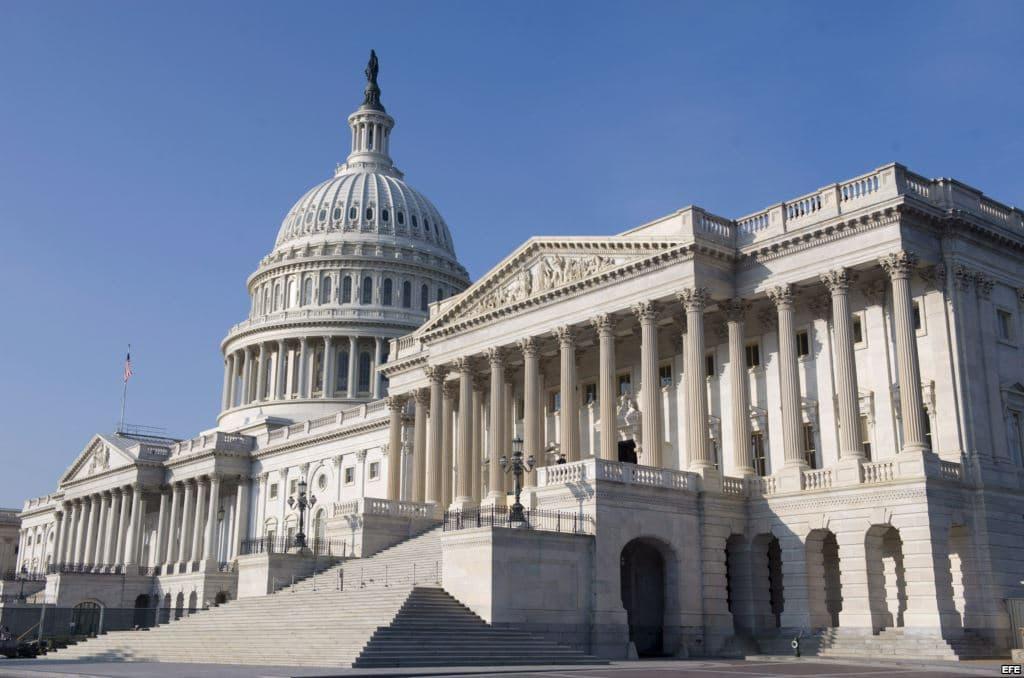
The U.S. Capitol in Washington, DC, played an important role in the civil rights movement because it was where Congress debated and passed the Civil Rights Act of 1964. During the 1950s and 1960s, Black Americans and civil rights organizations protested racial segregation in schools, restaurants, hotels, and other public places. Many also faced unfair treatment when applying for jobs. President John F. Kennedy proposed major civil rights legislation in 1963, and President Lyndon B. Johnson supported it after Kennedy's assassination. On February 10, 1964, the House of Representatives passed the civil rights bill. In the Senate, opponents tried to block it through a lengthy filibuster. On June 10, senators voted to end the filibuster, and the Senate passed an amended bill on June 19. The House then approved the final version on July 2, 1964.
President Lyndon B. Johnson signed the Civil Rights Act into law at the White House on July 2, 1964, just hours after Congress completed its work. The law banned racial segregation in many public accommodations and prohibited employment discrimination based on race, color, religion, sex, or national origin. It also strengthened federal protections against discrimination in education and other public services. The law was a major victory for civil rights activists who had spent years demanding equal treatment. Although discrimination did not disappear, the law gave the federal government stronger powers to challenge it. Today, the original U.S. Capitol building still stands and remains the meeting place of Congress. Its House and Senate chambers remind visitors that important changes in civil rights law were debated and approved there.