Download Civil Rights Tour App


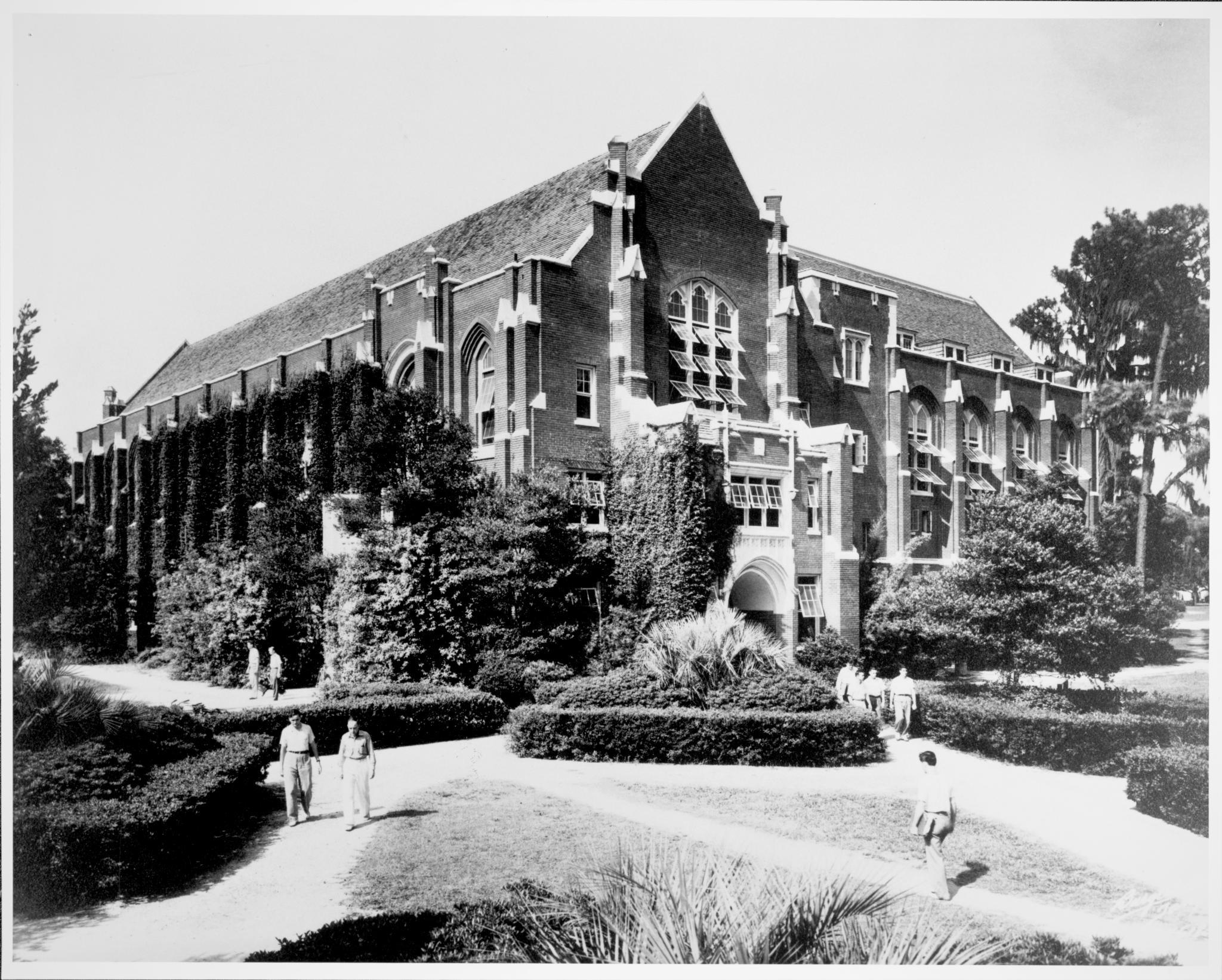
Between 1956 and 1965, the University of Florida and other educational institutions became targets of a state investigation that threatened civil liberties, academic freedom, and the rights of LGBTQ+ people.
In 1956, the Florida Legislature established the Florida Legislative Investigation Committee, commonly known as the Johns Committee after its chairman, State Senator Charley E. Johns.
The committee initially investigated civil rights organizations, particularly the National Association for the Advancement of Colored People, or NAACP. Its members sought to connect racial integration activists with communism and other activities they considered subversive.
After failing to establish the connections they sought, investigators increasingly focused on homosexuality within Florida's schools and universities.
In 1958, the University of Florida in Gainesville became the committee's first major academic target in its investigations of suspected gay students, professors, and university employees.
Investigators used surveillance, interrogations, and pressure to identify individuals suspected of homosexuality. Their activities included monitoring private spaces and questioning students and faculty about their personal lives.
According to the University of Florida's historical archives, at least fifteen professors and more than fifty students left the university after being interrogated by committee investigators.
University administrators failed to stop the investigations. Campus police officers were also permitted to participate in investigative activities, including the recording of interrogations.
The committee's actions extended beyond Gainesville as investigations into homosexuality and alleged misconduct continued across Florida's educational system.
Many people faced the threat of public exposure, dismissal from employment, damage to their reputations, or the interruption of their education.
In 1964, the committee published a report titled Homosexuality and Citizenship in Florida, widely known as the Purple Pamphlet. The publication contained sensationalized material about homosexuality and provoked widespread criticism.
In 1965, the Florida Legislature discontinued the Johns Committee, ending nearly a decade of investigations.
The investigations had lasting consequences for students, faculty, educators, civil rights activists, and their families. The committee's activities also became part of the wider history of government persecution of LGBTQ+ people during the mid-twentieth century.
Today, the University of Florida's George A. Smathers Libraries preserve materials related to the Johns Committee, including investigative reports and the Purple Pamphlet.
These archives help document the struggle for LGBTQ+ rights, freedom of expression, privacy, and academic freedom.
The history of the Johns Committee serves as a reminder of the importance of protecting civil liberties and preventing discrimination within educational institutions.