Download Civil Rights Tour App


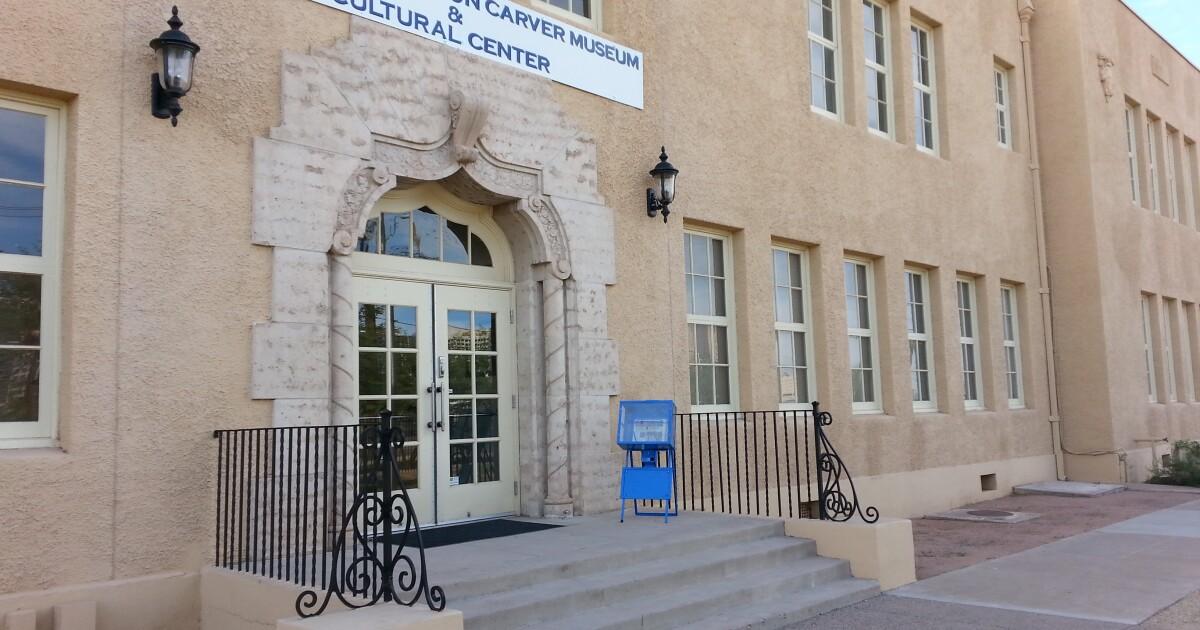
George Washington Carver High School in Phoenix, Arizona, stands as a reminder of the struggle for equal educational opportunities and the legal campaign that challenged racial segregation before the landmark national decision in Brown v. Board of Education.
Originally called Phoenix Union Colored High School, the school was constructed in 1926 at 415 East Grant Street. It was the only high school in Arizona built specifically to segregate African American students.
Although the school developed accomplished teachers, strong academic programs, and an important place within Phoenix's Black community, its existence reflected the unequal educational system that restricted African American students from attending other public high schools.
In July 1952, three African American students and their families challenged the Phoenix Union High Schools and Junior College District after the students were denied admission to a school because of their race.
Attorneys Hayzel B. Daniels, a pioneering African American lawyer and Arizona legislator, and Herbert B. Finn brought the lawsuit known as Phillips v. Phoenix Union High Schools and Junior College District.
On February 9, 1953, Maricopa County Superior Court Judge Fred C. Struckmeyer Jr. ruled that the school district's racial segregation was illegal. He found that Arizona law did not provide constitutional authority for the district to exclude African American students from its other high schools.
The decision marked a major victory for school desegregation in Arizona, coming more than a year before the United States Supreme Court's Brown v. Board of Education ruling in May 1954.
Although the school district appealed, the Arizona Supreme Court dismissed the appeal as moot in November 1953, after the district had taken steps toward ending segregation.
George Washington Carver High School closed in 1954. Its students were able to attend other Phoenix high schools, while its teachers were reassigned within the district.
The former school building was later preserved through the efforts of alumni and community members. Today it serves as the George Washington Carver Museum and Cultural Center, preserving the history of African American education, achievement, and the fight against discrimination in Arizona.
The Phillips case and Carver High School remain significant symbols of the long struggle to secure equal access to public education and civil rights.