
Download Civil Rights Tour App


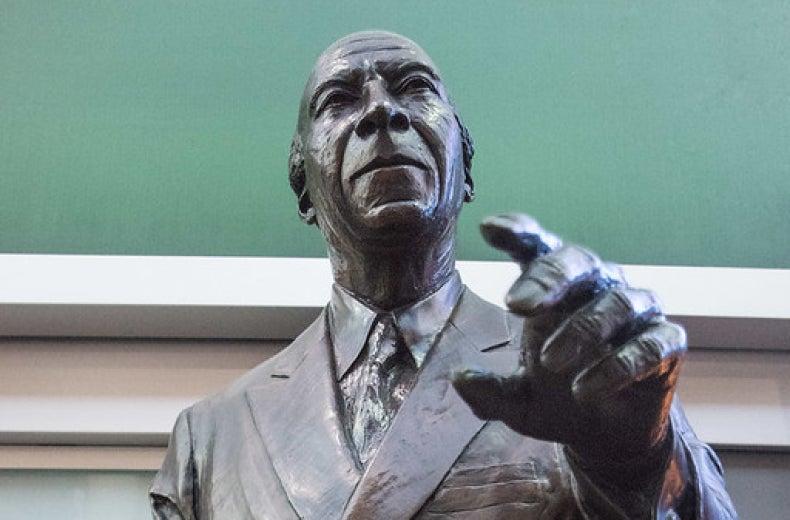
The A. Philip Randolph statue stands inside Union Station in Washington, D.C. Created by sculptor Ed Dwight in 1990, the bronze statue was presented by the AFL-CIO. Randolph led the Brotherhood of Sleeping Car Porters, a union representing Black railroad workers, making Union Station a meaningful location for the memorial.
In 1941, as the United States prepared for World War II, many defense industry jobs remained closed to Black Americans. Randolph and other civil rights leaders organized the March on Washington Movement and planned a major demonstration in the nation's capital for July 1, 1941, demanding an end to employment discrimination.
On June 25, 1941, President Franklin D. Roosevelt signed Executive Order 8802, prohibiting discrimination in defense employment and establishing the Fair Employment Practice Committee. Following this action, Randolph called off the planned march. Although the demonstration never took place, the movement represented an important milestone in the struggle for employment equality.
Randolph continued advocating for civil rights and later helped organize the historic 1963 March on Washington for Jobs and Freedom.
Today, the statue inside Union Station honors Randolph's leadership in labor organizing and civil rights. It also reminds visitors how the threat of collective action helped bring about changes in federal employment policy.