Download Civil Rights Tour App


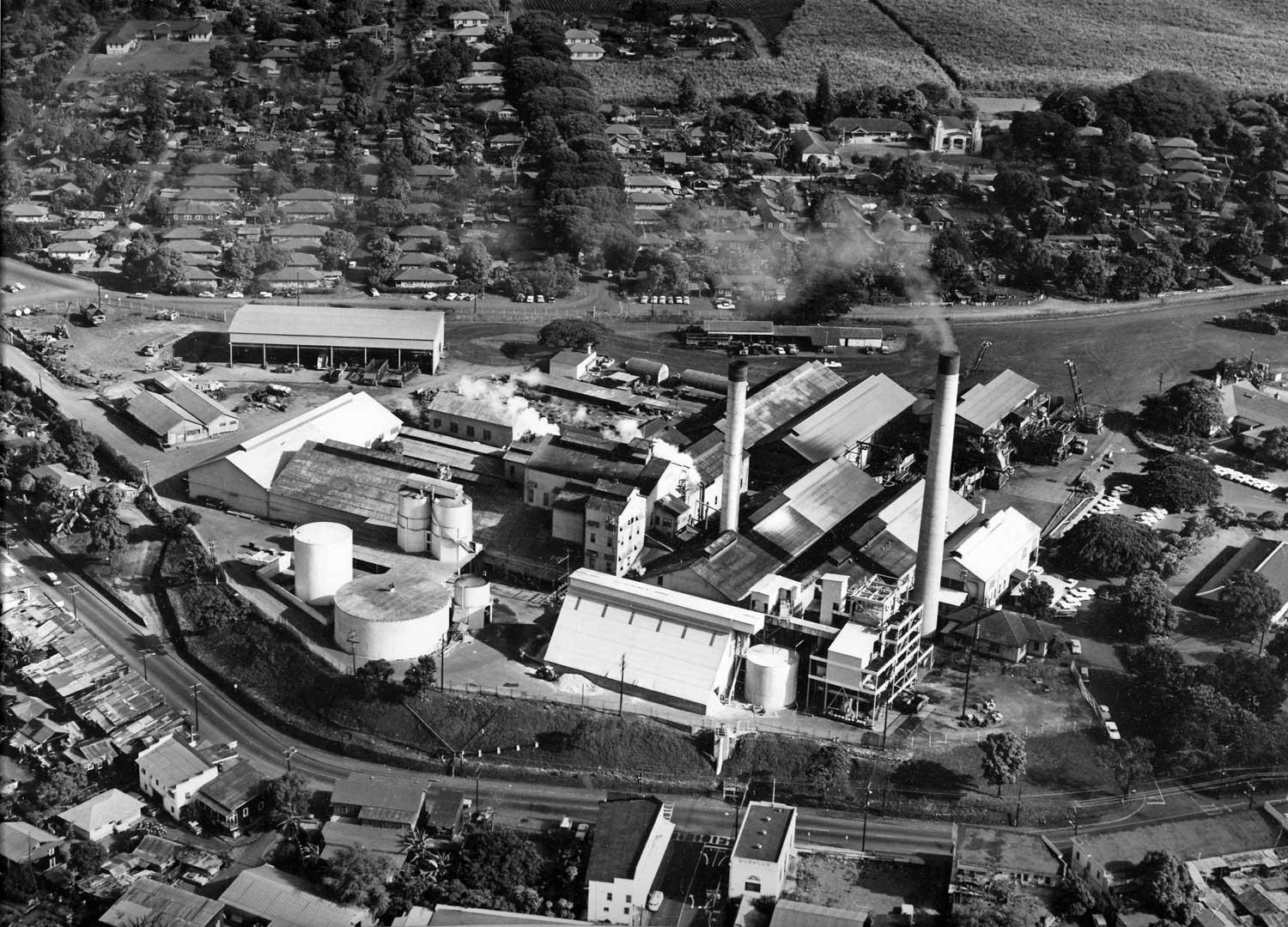
In 1946, sugar plantation workers across Hawaiʻi organized one of the most significant labor strikes in the islands' history. The movement brought together thousands of workers from different racial and ethnic backgrounds in a collective struggle for fair wages, improved working conditions, and greater economic independence.
For generations, Hawaiʻi's sugar industry had depended on workers from Japan, the Philippines, China, Korea, Portugal, Puerto Rico, and Native Hawaiian communities. Plantation owners controlled much of the workers' daily lives through company housing, stores, medical services, and employment policies.
Earlier strikes had frequently failed because plantation management exploited divisions between ethnic groups. By the 1940s, however, workers increasingly recognized the importance of organizing together.
The International Longshore and Warehouse Union, known as the ILWU, built a multiethnic organizing movement that united workers across Hawaiʻi's sugar plantations.
Following World War II, plantation workers demanded higher wages, better working hours, fair job classifications, collective bargaining protections, and an end to discriminatory employment practices.
Negotiations between union representatives and plantation employers failed to produce a satisfactory agreement by the end of August 1946.
On September 1, 1946, approximately 26,000 sugar workers launched a territory-wide strike. The walkout halted production at 33 of Hawaiʻi's 34 sugar plantations.
Including workers' families, approximately 76,000 people were directly affected by the struggle.
The strike lasted 79 days. During this period, workers organized picket lines, community kitchens, food distribution networks, gardens, and financial assistance programs to support families without regular wages.
Filipino, Japanese, Chinese, Korean, Portuguese, Native Hawaiian, Puerto Rican, and other workers demonstrated solidarity despite differences in language and cultural background.
Women and family members also contributed through cooking, fundraising, organizing, and maintaining community support.
In November 1946, union representatives and plantation employers reached an agreement that secured substantial wage improvements and important changes to plantation compensation systems.
The settlement reduced the plantation owners' control over workers' lives by converting many employer-provided benefits into cash compensation.
The strike strengthened organized labor and helped challenge the plantation system's long-standing racial and economic inequalities.
Its success also contributed to a wider transformation of Hawaiʻi's political and social institutions during the following decade.
Today, Hawaiʻi's Plantation Village in Waipahu preserves the broader history of plantation workers, immigrant communities, and the families whose labor shaped the islands.
Although the museum is not the original headquarters of the 1946 strike, it provides an important educational setting for understanding the conditions that led workers to organize.
The 1946 Sugar Strike remains a landmark achievement in workers' rights, multiethnic solidarity, and the struggle for economic and social equality in Hawaiʻi.